





KAUST Uses Algae to Turn Chocolate Into Valuable Blue Pigment
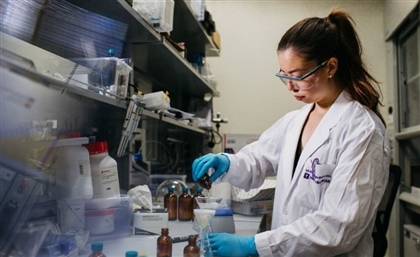
KAUST researchers have used ancient algae to convert chocolate-processing waste into C-phycocyanin, a high-value blue pigment.

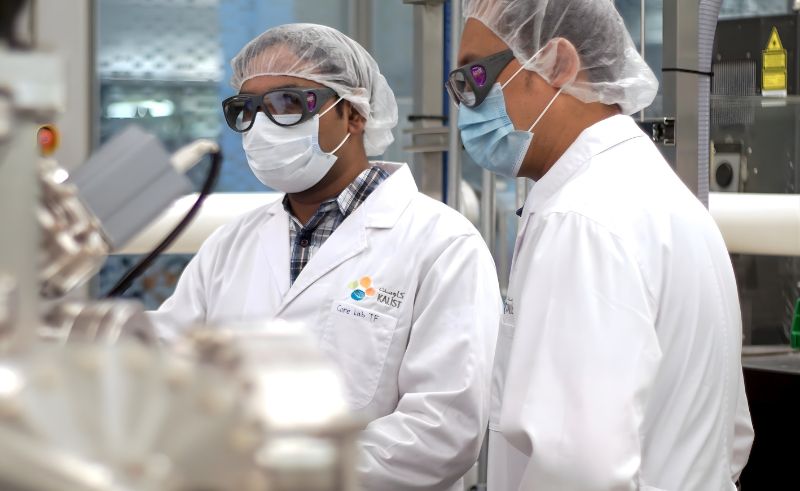
Scientists at King Abdullah University of Science and Technology have developed a method to convert chocolate factory waste into C-phycocyanin, a valuable blue pigment projected to exceed a global market value of USD 275 million by 2030. The study, published in 'Trends in Biotechnology', highlights the potential for ancient algae to support sustainable production in food and pharmaceutical sectors.
The work centres on Galdieria yellowstonensis, a strain of red algae that grows in hot, highly acidic environments. Researchers found that the organism can consume sugars found in chocolate-processing waste and convert them into protein-rich biomass containing C-phycocyanin, a pigment already used in beverages, cosmetics and pharmaceutical applications.
The team also discovered that high concentrations of carbon dioxide unexpectedly enhanced Galdieria growth, despite carbon dioxide typically being a waste byproduct of microbial sugar consumption. The findings suggest new pathways for carbon-efficient bioprocessing.
The release notes that phycocyanin derived from Galdieria was recently deemed food-safe by the US Food and Drug Administration, broadening its commercial viablity for food and beverage use. Compared with conventionally used cyanobacteria, the Galdieria-based method offers lower costs and higher yields due to the algae’s ability to thrive in extreme environments that limit contamination by other microbes.
- Previous Article Egyptian Visionaries on the AD100 2026 List
- Next Article Inside Egypt’s Seven UNESCO World Heritage Sites