





Two Moroccan Stadiums Make Prix Versailles 2026 Arenas List
Rabat’s Fez embroidery-inspired façade and Tangier’s 52,000-square-metre canopy have earned both Moroccan stadiums a place on the Prix Versailles 2026 list of the world’s most beautiful arenas.

Seven stadiums across five continents have been named to the Prix Versailles 2026 list of the World’s Most Beautiful Arenas, an international architecture selection recognising design, cultural identity and sustainability in major sports venues. Three of the venues will receive further distinctions at a ceremony at UNESCO Headquarters in Paris on 10 December. Among this year’s selections are two Moroccan stadiums, in Rabat and Tangier, both recently redeveloped ahead of the country’s next chapter on the international football stage.
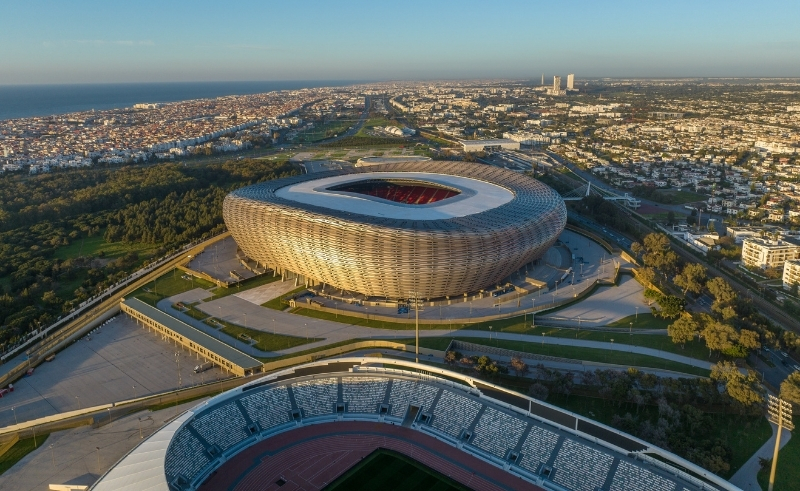
In Rabat, Prince Moulay Abdellah Stadium was rebuilt by architecture firm Populous in just 24 months, creating a 67,000-seat venue whose golden envelope draws on the capital’s palm-lined boulevards and traditional Fez embroidery. Approximately 19,000 champagne-coloured triangular elements cover the façade, continuing into the canopy in a unified pattern that becomes an illuminated display after dark. Inside, the monumental terraces accommodate around 20,000 supporters, with the upper tier projecting eight metres outwards to improve sightlines across the pitch.
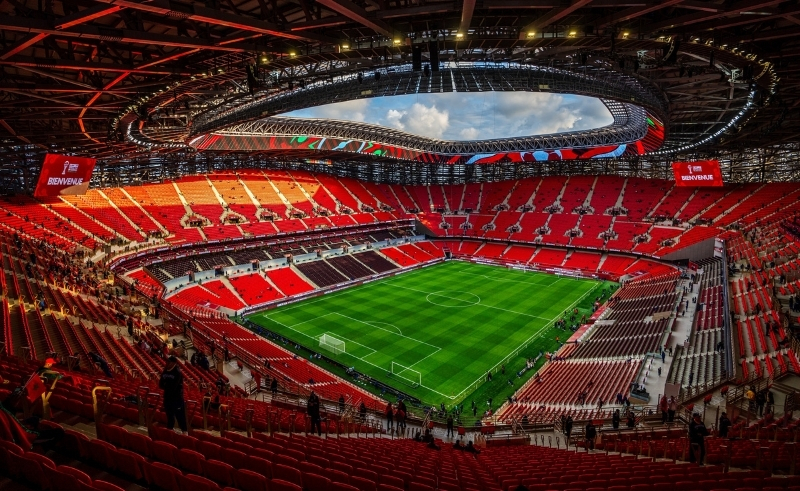 Further north, Tangier Grand Stadium, also known as Ibn Batouta Stadium, has undergone a substantial transformation under architect Anouar Amaoui. Originally opened in 2011, the stadium now accommodates 75,500 spectators, making it Morocco’s largest. Removing the athletics track and lowering the pitch by around eight metres brought the stands closer to the action. The renovation’s defining feature is a 52,000-square-metre canopy developed with engineering firm Schlaich Bergermann Partner. Combining metal cables and flexible membranes, the expansive structure shelters the pitch and stands from the wind while giving the stadium a lightweight profile.
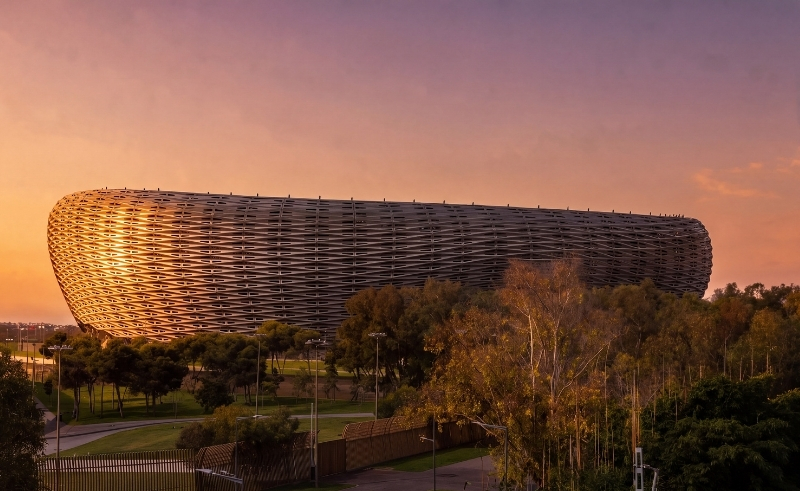 Both venues feature in Morocco’s preparations to co-host the 2030 FIFA World Cup with Spain and Portugal. Their inclusion in the Prix Versailles selection places the country’s evolving sports architecture in an international spotlight as it prepares to welcome football supporters from around the world.
- Previous Article Wegz Expands ‘Aqareb’ with Six New Tracks in Deluxe Edition
Related Articles
Trending This Week
-
-
 Oct 15, 2026
-
-