


MENA Organisations Using Sports to Build Better Futures
From Palestine to the UAE, these organisations are using sport to build skills, confidence, inclusion and opportunities for the region’s next generation.
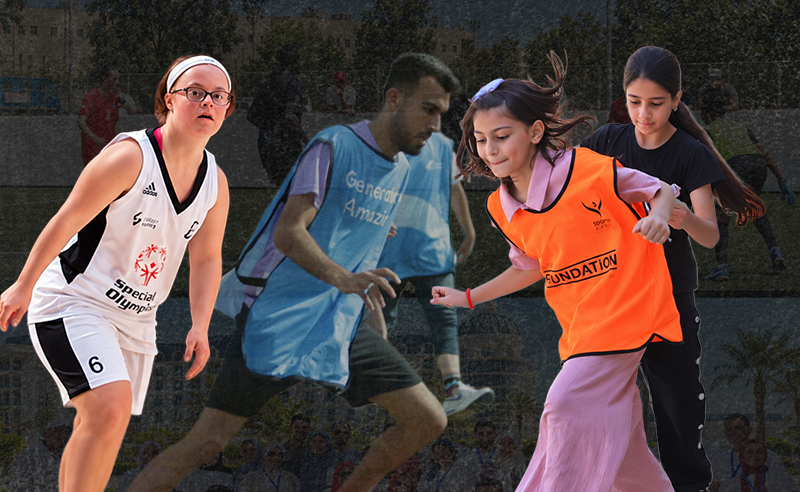
Sport can be about much more than competition. Across the Middle East and North Africa, a growing network of nonprofits, foundations and community organisations are using football, basketball, athletics and other sports to create safe spaces, teach life skills, support education and give young people greater access to opportunities.
From programmes working with children in refugee camps to initiatives supporting young people with disabilities, these organisations are putting sport at the centre of wider social development.
Palestine: Sports for Life, Palestine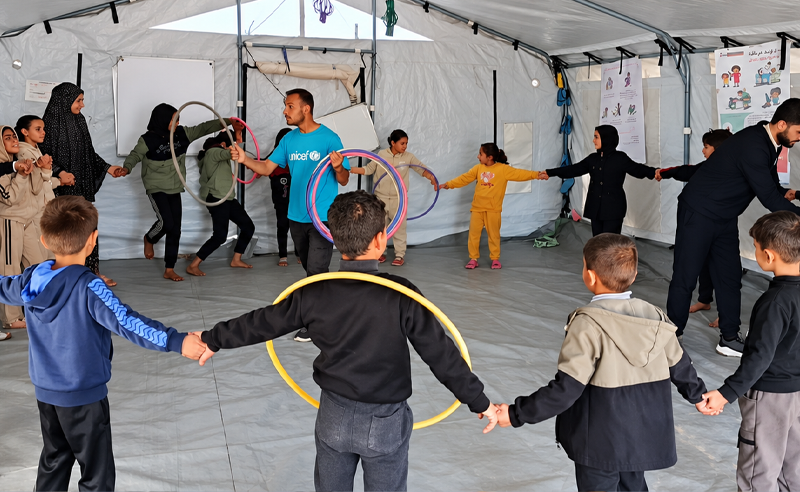 For Palestine: Sports for Life (PS4L), sport is explicitly a development tool. The Palestinian nonprofit works across the West Bank, East Jerusalem and Gaza, using sport to support personal growth, professional development and social transformation.
Its programmes span education, life skills, employment, gender equality, inclusion and child protection, with children and young people among its core beneficiaries. PS4L also creates free sports programmes and safe spaces in partnership with schools and communities.
Its current work includes initiatives such as Sports for Health and Well-Being, Sports for Inclusion, Sports for Employment and Child and Youth Development. In 2026 alone, PS4L has continued running training programmes, safe-space initiatives and community sports events, including activities bringing together more than 210 children in Tulkarem.
PACES, Palestine, Jordan & Lebanon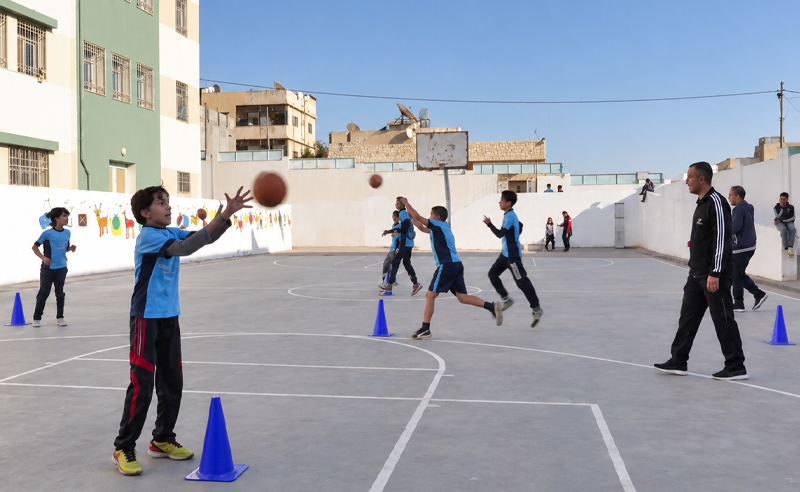 The Palestine Association for Children’s Encouragement of Sports (PACES) focuses on children aged six to 16 living in refugee camps and marginalised communities across Palestine, Jordan and Lebanon.
Its after-school sports programmes are designed to do more than keep children active. Through sport, PACES works on confidence, self-awareness, discipline, cooperation, inclusion and educational development, while also training young people to become coaches and community leaders.
Since its establishment in 2006, the UK-registered charity says it has reached more than 37,000 children, 2,600 coaches and assistant coaches and 260 local sports clubs and community organisations. Its programmes also maintain equal participation rates between boys and girls.
Generations For Peace, Jordan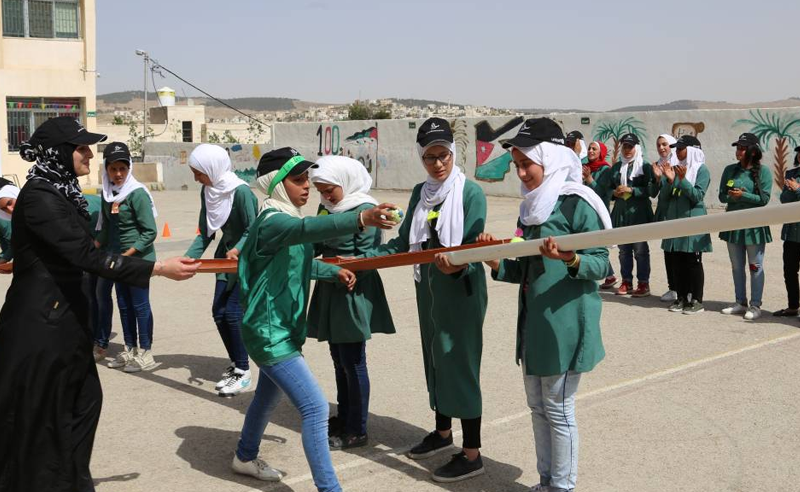 Founded in Jordan, Generations For Peace takes the idea of sport for development beyond physical activity, using sport-based games as an entry point for peacebuilding and behavioural change.
The organisation trains volunteer leaders, many of them young people, who then take programmes back into their own communities. Its activities combine sport with education and dialogue to promote tolerance, responsible citizenship and conflict transformation among children, adolescents and wider communities.
The model has helped make Generations For Peace one of the region’s best-known examples of sport being used as a tool for social rather than competitive development.
Tibu Africa, Morocco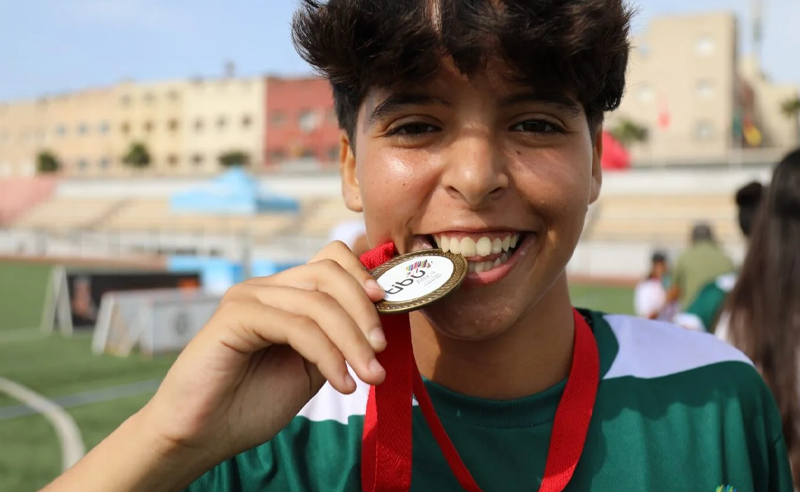 Tibu Africa has built an entire development model around sport and education, using activities including basketball to create opportunities for young people in Morocco and across Africa.
The Moroccan NGO works across areas including education, social inclusion and youth employability, with sport positioned as a way to build skills and open economic and social opportunities. Its current programmes include dedicated Sport for Development initiatives, including work delivered through local facilitators.
In 2026, Tibu has continued expanding its Sport for Development work while also developing programmes around psychoeducation and youth employment, reinforcing its wider approach to sport as a development platform.
Generation Amazing Foundation, Qatar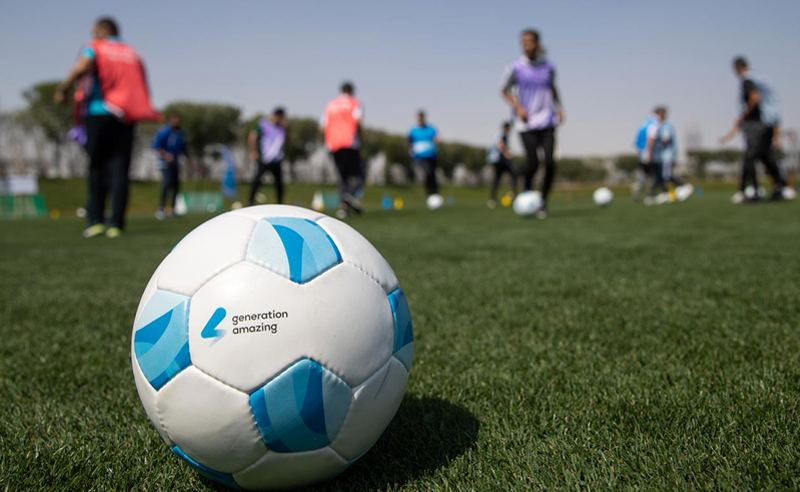 Generation Amazing Foundation grew out of Qatar’s preparations for the 2022 FIFA World Cup, but its work has moved well beyond the tournament itself.
The foundation uses football and other sports to develop communication, leadership, teamwork and other life skills, with dedicated programmes for young people and communities in need. Its Generation Amazing Youth Festival brings together 16- to 25-year-olds around football-for-development activities, while its Sports for Development programme works with partners on social issues across Qatar, the region and beyond.
The foundation says its programmes have reached more than one million people across 75 countries, while its regional work continues through partnerships with organisations including Morocco’s Tibu Africa.
NAFAS Sports, Egypt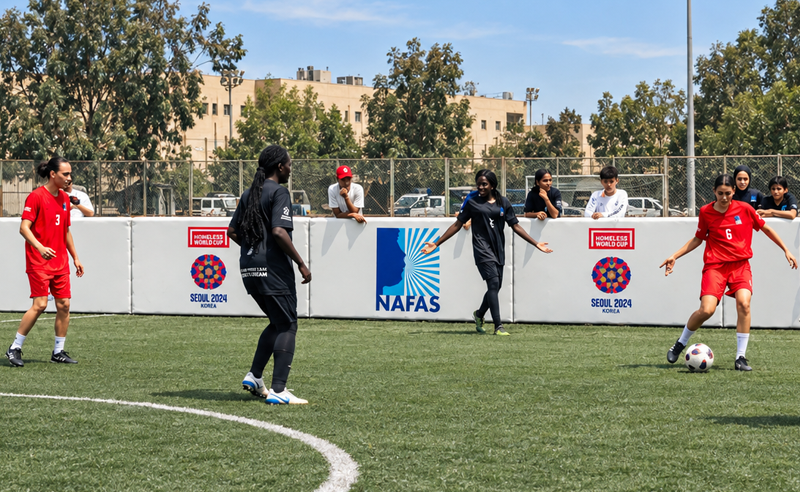 In Egypt, NAFAS Sports focuses on young people facing social and economic exclusion, using sport to connect them with resources and opportunities beyond the playing field.
The Cairo-based nonprofit describes itself as a social enterprise using sport for social development and inclusion, with work connecting Egyptian youth in need to education, healthcare, employment opportunities and other support.
Its current work includes a sports-based life-skills education project for young people living in street situations, combining street football with the Olympic Values Education Programme to develop values and life skills through sport.
Etijah, Egypt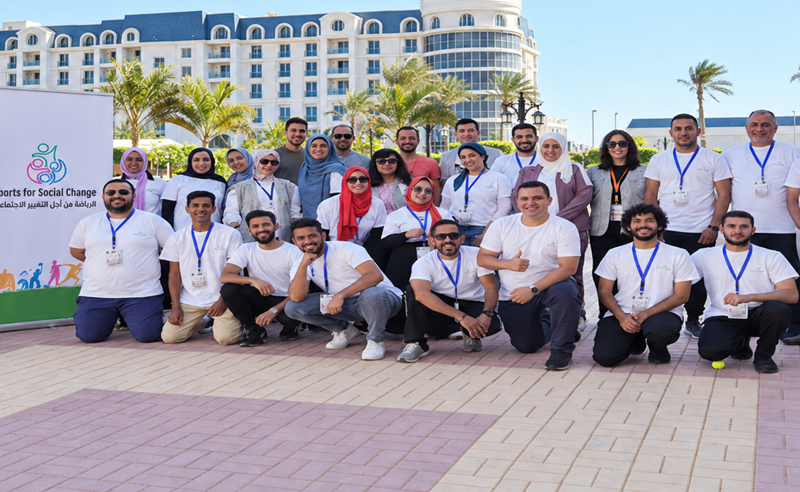 Egyptian nonprofit Etijah uses sport as part of its wider work on community development, inclusion and youth participation.
Through its Sports for Social Change programme, Etijah worked with community-based organisations in Greater Cairo, Qena and Sohag to use sport-based activities to develop life skills and social cohesion. The programme also focused on increasing access for women and people with disabilities while challenging gender stereotypes.
Its broader Sports for Development work has included hundreds of sports sessions and camps, using sport as a platform to engage young people and communities around inclusion, participation and social change.
Lebanese Young Talents, Lebanon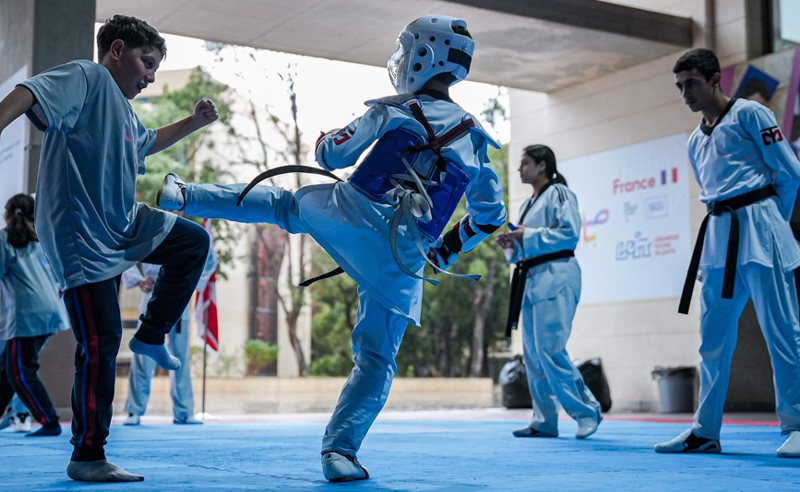 Lebanese Young Talents puts sport and education at the centre of its youth-development work, supporting young people through training, mentorship, community programmes and educational opportunities.
The Lebanese NGO describes sport as a vehicle for leadership, teamwork, conflict resolution and resilience, while its programmes specifically target young people, women, refugees and underserved communities.
Its current programmes include sport-for-development and social-cohesion initiatives in communities such as Bourj Hammoud and Jisr el Wati, alongside programmes combining sport, entrepreneurship and peacebuilding for girls and young women.
Special Olympics UAE, UAE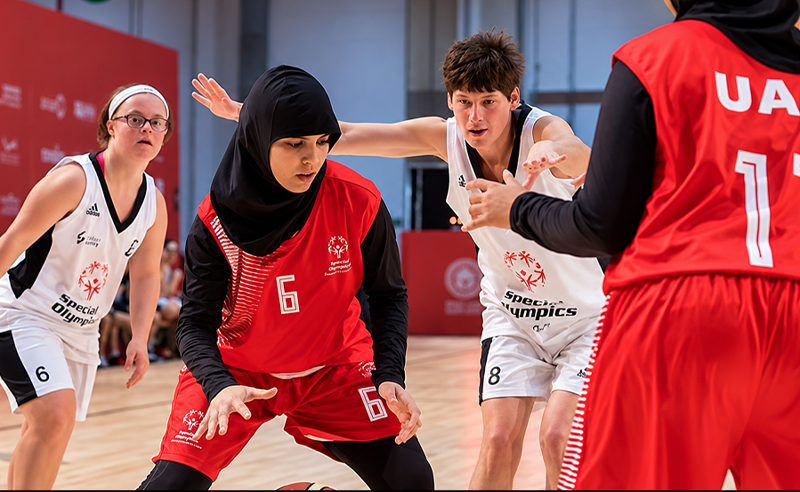 Special Olympics UAE shows how sport can become a tool for inclusion from an early age.
The organisation provides year-round sports training and competition for people with intellectual disabilities, while programmes such as Young Athletes introduce children aged two to seven to sport and play alongside peers with and without intellectual disabilities. It also runs Unified Sports, Unified Champion Schools and youth leadership programmes.
Its 2026 UAE Games brought together more than 1,000 athletes with intellectual and developmental disabilities, alongside unified partners, coaches and teams from across the country. The event also incorporated the Young Athletes Programme and other initiatives focused on inclusion and wellbeing.
Education Above All Foundation, Qatar
Education Above All is primarily an education foundation, but its Sports for Education initiative demonstrates how sport can be incorporated into wider development work.
Through Circle In, EAA, Qatar Foundation and the International Olympic Committee are working with partners to use sport as a catalyst for more equitable, inclusive and educated communities across Asia and MENA.
The initiative looks at sport not simply as physical activity, but as a way to improve educational outcomes, inclusion and social development, particularly for communities facing barriers to education.
Saudi Sports for All Federation, Saudi Arabia
Saudi Sports for All Federation takes the concept to a national, grassroots scale, working to make physical activity more accessible across the Kingdom.
Its programmes span community activities, school and university initiatives, sports challenges and public-space activations. Its school programmes provide resources for teachers and students, while its wider youth strategy aims to create more opportunities for young people to participate in sport and make physical activity part of everyday life.
The federation remains active in 2026, including through its 10 Billion Steps initiative, which is running from July through December and encourages people across Saudi Arabia to increase their daily physical activity.
- Previous Article Social Media Accounts Banned for Children Under 13 in Egypt
- Next Article Ahmed Tohamy’s ‘Special Request’ Is Service to Anti-Fashion
Related Articles
Trending This Week
-
 Oct 06, 2026
 -
-
-