


Rashid Al Dhaheri Is Racing Towards Formula 1
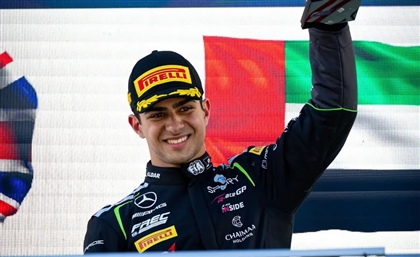
Emirati driver Rashid Al Dhaheri is on his own path in motorsport, with Mercedes-AMG behind him and a Formula 3 debut ahead in 2027.
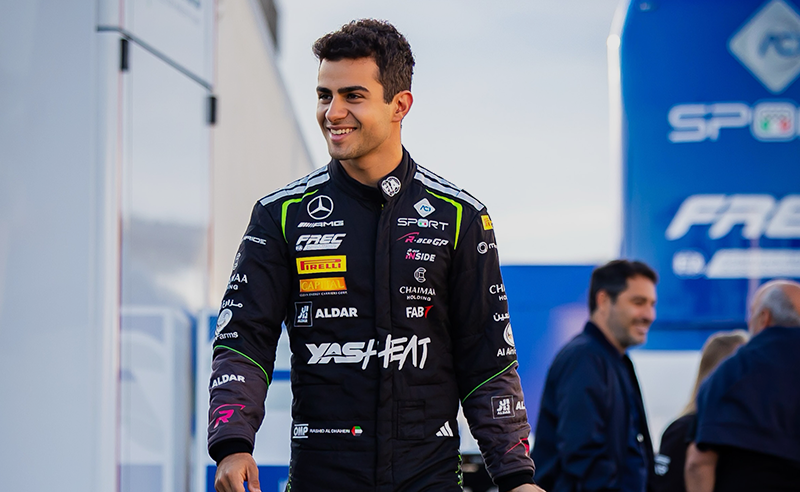
From a little boy captivated by Formula 1 engines at Yas Marina Circuit to the Mercedes-AMG F1 Junior Programme, Emirati driver Rashid Al Dhaheri has spent his life chasing a dream that once seemed a world away.
In an interview with SceneSports, Al Dhaheri reflects on the passion that took hold at three, the family support and discipline that carried him from karting to international podiums, and his journey balancing business studies with racing as he prepares for Formula 3 in 2027.
Behind the results are sacrifices few see, including spending two years away from his family at just 12 during the COVID-19 pandemic.
How did your upbringing and environment shape your passion for cars?
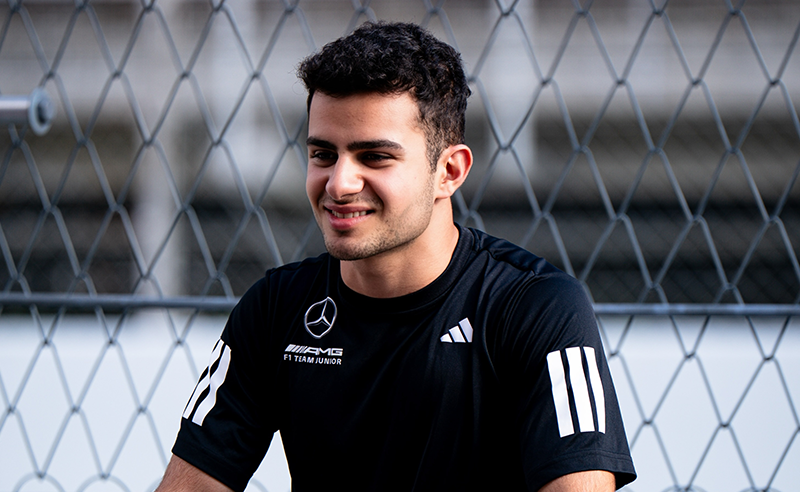 I was fortunate to grow up in Abu Dhabi, a place where young people are encouraged to dream big, work hard and believe that anything is possible.
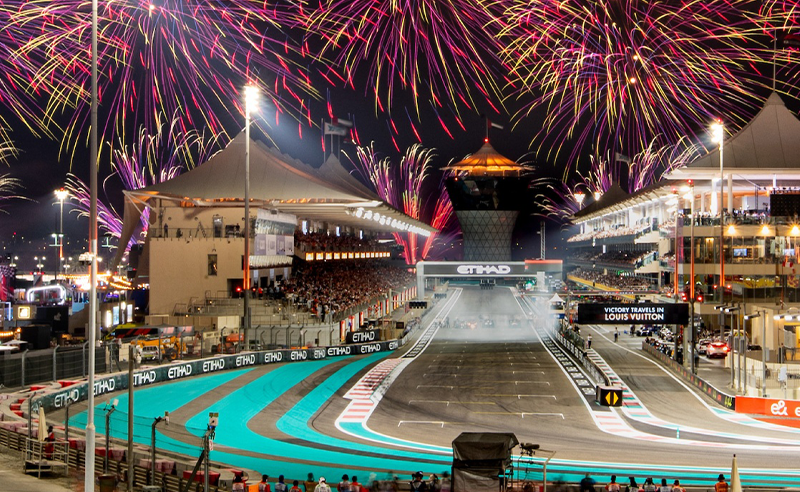
My passion for motorsport began when I was just three years old. My parents took me to the Formula 1 Abu Dhabi Grand Prix at Yas Marina Circuit, and I was completely mesmerised.
The cars, the sound of the engines, the mechanics working in the garages, everything fascinated me. I think that was the moment I fell in love with motorsport. I kept telling my parents that I wanted to become a Formula 1 driver.
My family has been incredibly supportive throughout my journey. They taught me the importance of discipline, hard work and staying humble, no matter what you achieve.
Away from the racetrack, what hobbies or activities help you relax and recharge?
 Outside racing, I enjoy playing the piano. I actually taught myself during the COVID-19 pandemic, and I still love learning new pieces whenever I get the chance. It is very different from racing, but I think both require patience, concentration and a lot of practice.
I also enjoy sports in general, especially ice skating. Spending time with my family and friends is important to me, too, because I travel so much during the racing season.
But honestly, motorsport has always been my biggest passion. Even when I'm not racing, I'm usually thinking about how I can improve my performance for the next race.
How have you managed to balance your education with the demands of intensive training?
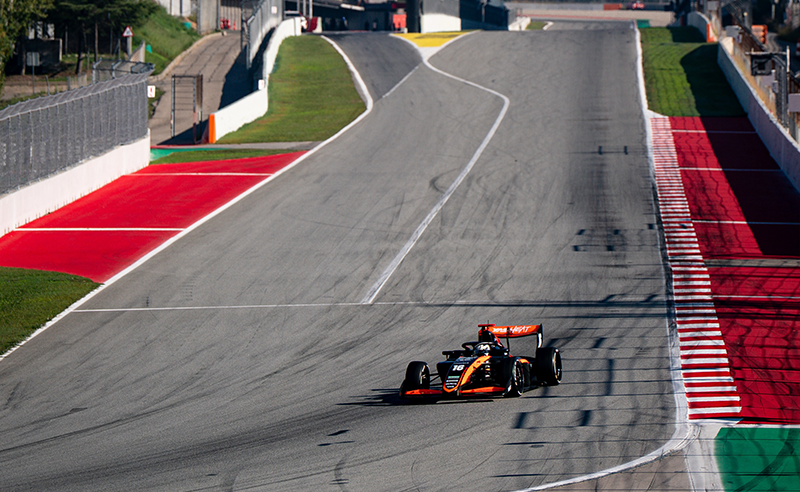 Balancing education with professional racing has certainly been challenging, especially because I spent most of my childhood and teenage years travelling internationally, training and competing. But I learned very early that if you want to achieve something, you have to be disciplined and willing to make sacrifices.
Education has always been important to me and my family, and I believe learning does not stop when you leave the classroom. Racing has actually taught me many things that are useful in everyday life, such as managing my time, staying organised, taking responsibility and making decisions under pressure.
What degree or field of study are you pursuing at university?
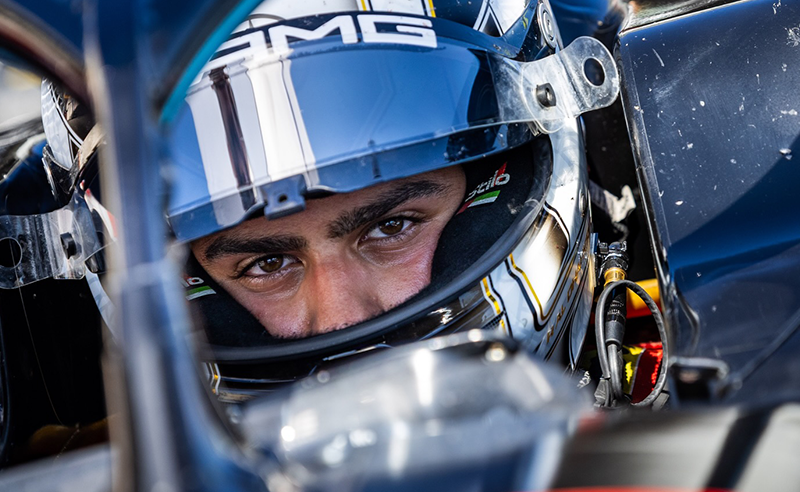 I'm currently enrolled in an online bachelor's degree in business administration, which I'm studying part-time alongside my racing commitments.
When and how did you first get behind the wheel of a go-kart?
The funny thing is that no one in my family came from a motorsport background. My parents had absolutely no idea how someone became a Formula 1 driver, so my father went on Google and searched for how to qualify as one.
That was how he discovered that most Formula 1 drivers start with karting. Eventually, he took me to Al Ain Raceway.
I was around four years old, and I remember people could not believe my parents wanted me to drive a go-kart at such a young age. They laughed because I was so small.
They had never had someone that young wanting to drive, and my father had to convince them to give me a chance. They attached a rope to my kart and held on to it.
As soon as I got into the kart, I absolutely loved it. At that age, I didn't understand anything about motorsport. I just wanted to drive, and every time I finished, I wanted to go again.
What began with a little go-kart in the Al Ain desert eventually took me to Italy, where I started competing internationally against some of the best young karting drivers in the world when I was six.
Looking back, it feels incredible. I think it shows that every big dream has to start somewhere. Sometimes, all you need is someone who believes in you enough to give you that first opportunity.
Looking back at your career so far, which milestones have been most important in shaping you as a driver?
There have been many important milestones throughout my career, and I think each one has helped shape me into the driver I am today. Karting was where I built my foundations.
Competing internationally from such a young age taught me discipline, racecraft and how to handle pressure. Winning four major titles in the WSK karting series is something I'm particularly proud of.
In 2019, I won the WSK Super Master Series and the WSK Euro Series in the 60 Mini category. Then, in 2021, I won the WSK Champions Cup and the WSK Super Master Series in the OK Junior category.
Those victories were special because I was competing against some of the best young drivers from around the world. Moving into single-seater racing in 2023 was another major turning point.
The cars were faster and more technical, and I had to learn a different approach to racing. Then, in 2025, I joined the Mercedes-AMG F1 Junior Programme.
That was one of the proudest moments of my career. Being the first driver from the Middle East to join the programme was a huge honour, but it's also a responsibility I take very seriously.
The 2026 season was another important step forward. I finished as runner-up in the Formula Regional Middle East Trophy, securing three wins and four podium finishes.
In the FIA Formula Regional European Championship, I achieved another three race wins, eight podium finishes and a pole position.
Across both championships, that gave me six wins and 12 podium finishes during the season. Those results mean a lot to me, but more importantly, I've developed enormously as a driver.
Now I'm preparing for another major milestone: moving up to the FIA Formula 3 Championship in 2027.
I don't think success is defined by one victory or achievement, though. Every race, every mistake, every difficult moment and every success teaches you something. For me, the biggest achievement is knowing that I'm becoming a better driver every year and moving one step closer to my dream.
How do you deal with intense pressure, frustration, injuries or unexpected mechanical failures on the track while staying focused on the finish line?
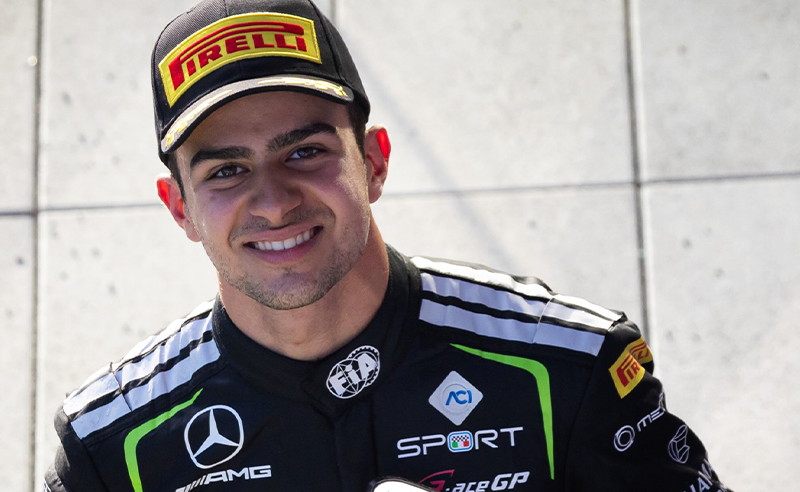 I think one of the biggest lessons motorsport has taught me is that you cannot control everything that happens to you, but you can control how you respond to it.
You can spend weeks preparing for a race and working incredibly hard with your team, and then something unexpected happens. It could be a mechanical failure, an incident with another driver or simply a difficult weekend when nothing seems to go your way. Of course, that is frustrating.
We're all human, and when you invest so much effort into something, disappointment is natural. But I've learned that feeling frustrated won't change the result. What matters is understanding what happened, learning from it and coming back stronger.
In racing, you have to make decisions in a split second. You cannot let your emotions take over because you need to stay focused.
I've also learned how important the people around you are. My engineers, coaches, team and family all play an important role in helping me stay focused and positive. One difficult race does not define your season, just as one bad day doesn't define your future.
How has working within Mercedes-AMG's professional environment influenced your driving style and technical understanding of the car?
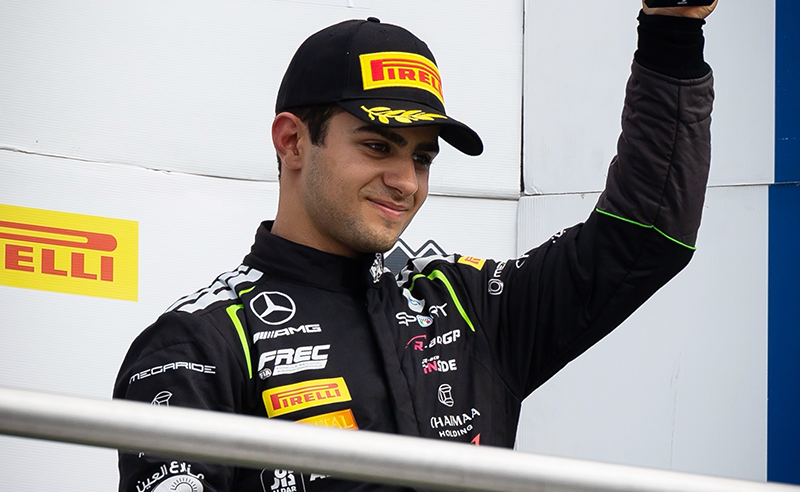 Joining the Mercedes-AMG F1 Junior Programme has been an incredible opportunity and one of the most important steps in my development as a driver.
When you are surrounded by people working at the very highest level of motorsport, you quickly realise how much attention goes into every small detail.
I've learned that being a successful racing driver involves far more than simply being fast. You have to understand the car technically, communicate effectively with your engineers, analyse data, manage your tyres and constantly look for ways to improve.
Sometimes the margins between drivers are incredibly small, so every detail makes a difference. Being part of the Mercedes environment has helped me develop a more professional and analytical approach to racing. It has also taught me the importance of teamwork.
Motorsport might look like an individual sport because there is only one driver in the car, but behind every driver is a large team of people working towards the same goal.
I'm extremely grateful to Mercedes for believing in my potential and giving me the opportunity to learn and develop in such a professional environment. As the first driver from the Middle East to be selected for its junior programme, I also feel immense pride in representing the UAE.
For me, the best way to show my appreciation is through my commitment, hard work and performance on the track.
How do you imagine the moment when you represent the UAE as its first Emirati and Arab Formula 1 driver?
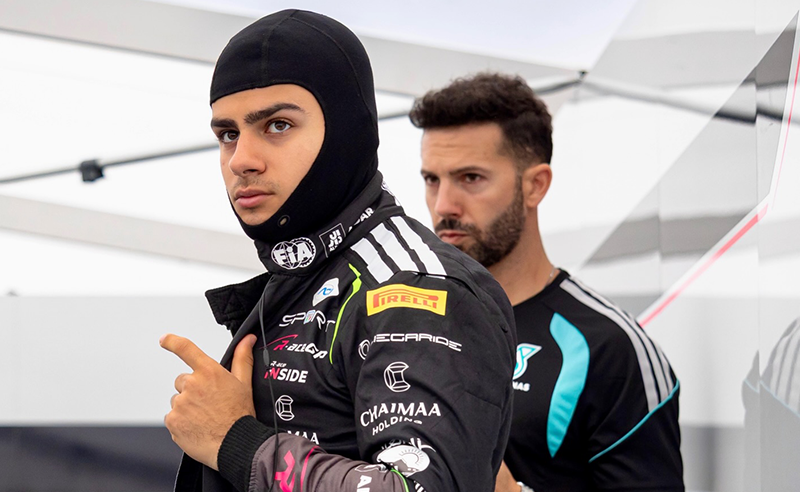 Reaching Formula 1 has been my dream since I was three years old. Sometimes I think about that little boy standing at Yas Marina Circuit, watching Formula 1 cars and dreaming that one day he might drive one himself.
To imagine returning to that same circuit one day as a Formula 1 driver, representing the UAE, would be incredibly special. It would be an emotional and proud moment, not just for me, but for my family, everyone who has supported me and my country.
I'm extremely proud to be Emirati. I grew up in a country whose leaders have encouraged us to believe in our abilities, aim for the top and never be afraid of ambitious goals. I think that's a very powerful message for young people.
At the same time, I'm realistic. Formula 1 is one of the most competitive sports in the world, and reaching that level is extremely difficult. You can't get there simply because you have a dream. You have to earn your place through your performance, commitment and results.
What is your current plan, and which skills are you working on to secure that seat?
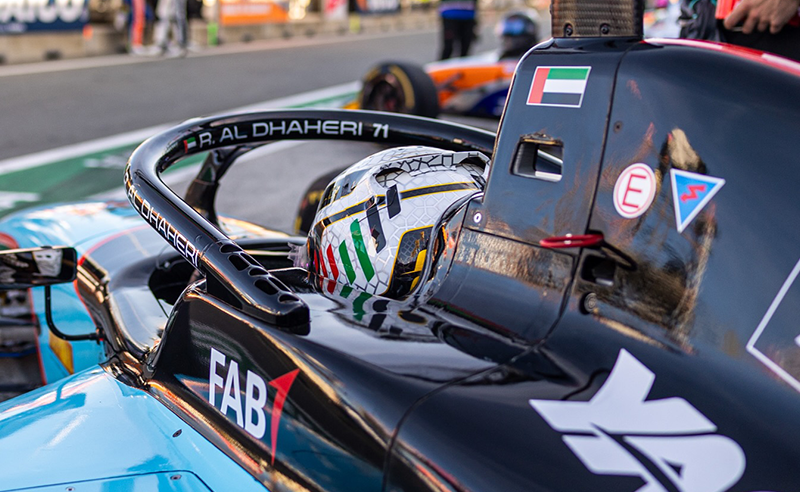 My immediate focus is the FIA Formula 3 Championship in 2027, where I'll race with Van Amersfoort Racing while continuing my development through the Mercedes-AMG F1 Junior Programme.
I'm working hard on every aspect of my performance, from physical fitness and mental preparation to technical understanding, racecraft and consistency. I still have a lot to learn, and I know there's a long road ahead.
What message would you share with the next generation dreaming of breaking into international sport and reaching the top despite the challenges?
My message to young people across the UAE, the Gulf Cooperation Council countries and the wider Arab world is to believe in your dreams, but also understand that achieving them requires hard work, commitment and sacrifice.
When I started karting in Al Ain as a young child, there was no clear path for someone like me from the UAE to reach Formula 1. But I was fortunate to grow up in a country that teaches us to believe that no ambition is too big.
Sometimes I think about how much our country has changed in just a few generations. My grandfather lived in a very different time. He earned his living through trade, travelling across the desert with camel caravans.
Today, just two generations later, I'm competing in formula racing internationally, representing that same country. To me, that says something incredible about the UAE and how far we have come. I think that is the spirit of the country: respecting where we come from while looking towards the future.
But I've also learned that dreams require sacrifice. One of the most difficult periods of my life was during the COVID-19 pandemic. I was only 12 when my father was assigned to Beijing, and because of strict travel restrictions, I couldn't see my family for two full years. I stayed in Europe to continue my karting career and spent much of that time growing up alongside my mechanics and racing team.
It wasn't easy being so young and so far away from my family. There were certainly moments when I missed them terribly, but that experience taught me independence, resilience and the importance of staying committed to something you believe in.
I think people often see the victories, podiums and trophies, but they do not see the years of hard work and the sacrifices behind them. That is why I tell young people that talent alone is not enough. You need discipline, patience and determination to keep going, even when things get difficult.
You also need people who believe in you and support you along the way. We are fortunate in the UAE and across our region to have so many opportunities today.
I hope my journey can encourage other young boys and girls to follow their own passions, whatever they may be. I am still at the beginning of my own journey, and I have a lot of work ahead of me. But if my story can inspire even one young person from our region to believe that their dream is possible, that would mean a great deal to me.
- Previous Article Amina Orfi Wins 2026 US Open Squash Championship Title
- Next Article Riyadh Metro Named Among World’s Top Four Transport Projects