





A 150-Year-Old Apartment in Old Cairo Became a Refuge for Travellers
Nada Zienelden and Shaimaa Nader turned a crumbling apartment in Old Cairo into Takiyyat Musafir, both cultural centre and rest stop for travellers.
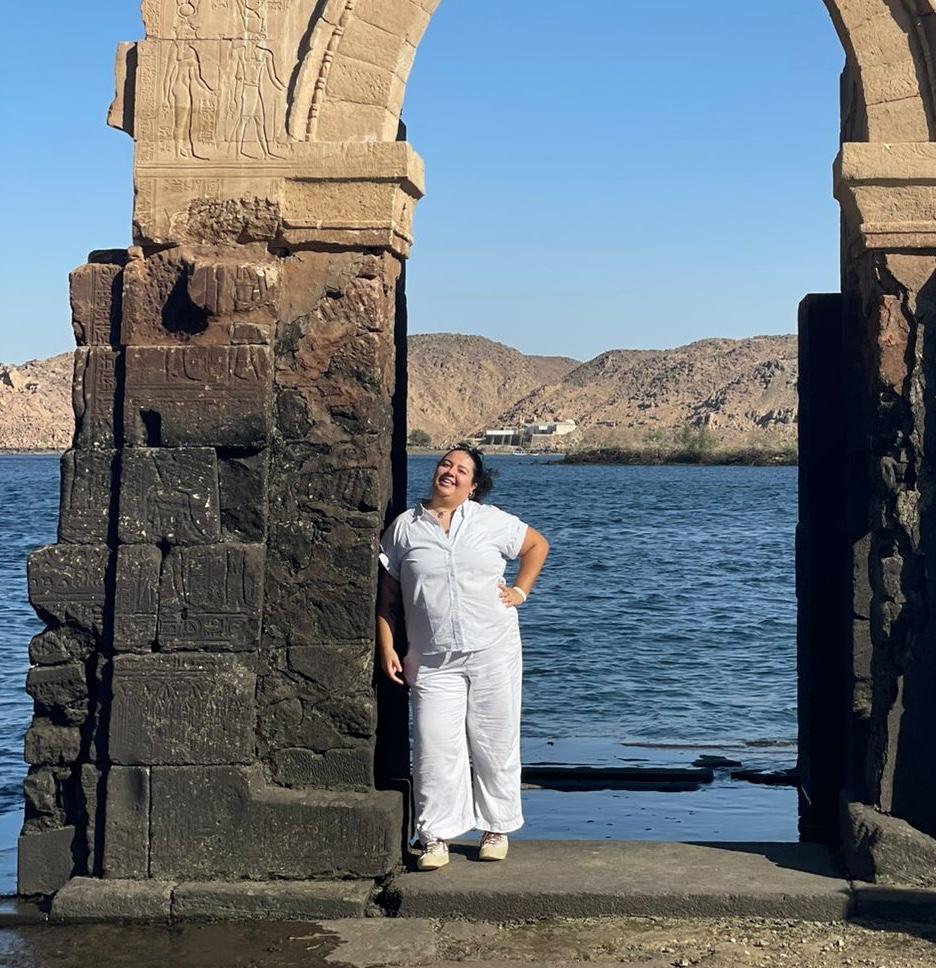
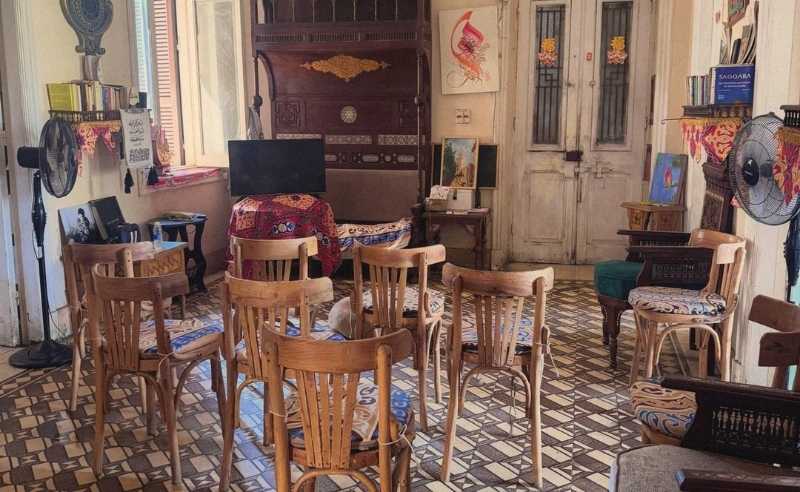
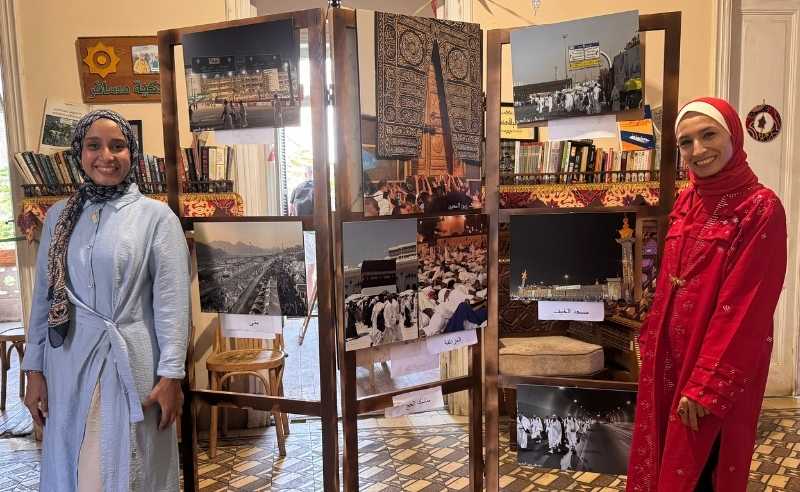
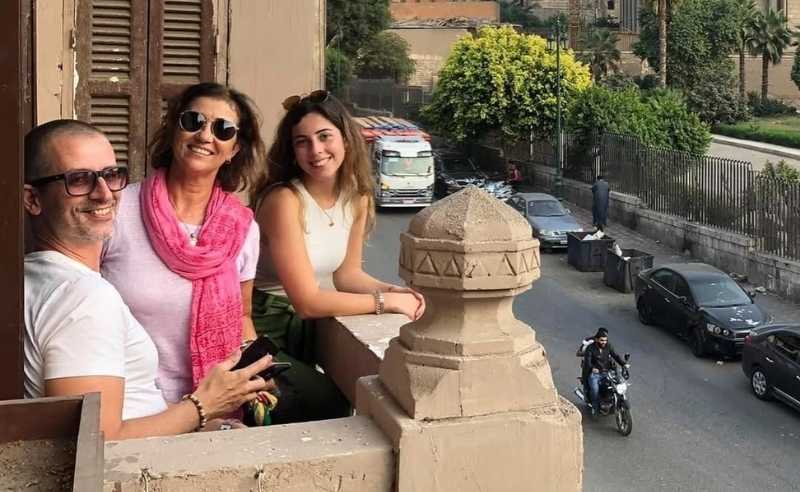
Nada Zienelden and Shaimaa Nader opened Takiyyat Musafir in February 2020, inside a renovated apartment overlooking Sultan Hassan Mosque and Al Rifa'i Mosque. The building, around 150 years old, is one of the first in the area built with cement.
Plenty of travellers know about it before they have set foot in Cairo. "Sometimes visitors arrive and tell us, 'This place was already on my checklist,'" Nader shares.
Visitors can stop for breakfast on Fridays, order lunch, sit in on an oriental music concert, or join a workshop in Arabic calligraphy. Zienelden and Nader also lead guided tours of the surrounding neighbourhood themselves.
"We're right in the heart of Old Cairo, so it's easy for us to take people around the area," Zienelden said.
 The idea began three months before it opened, in November 2019, when Zienelden was walking through the neighbourhood and first spotted the apartment from the outside. It was for sale.
"The moment I saw it, I thought, 'Oh my God, this is the place we need,'" she shares.
She called the owner, then called Nader, who had been holding onto the idea of building a space centred around culture, for both adults and children.
The two spent the following weeks planning, then renovating. Parts of the apartment were falling apart, and the technicians on the job hadn't worked on a building like it before.
"We wanted to restore it without changing its character, which was difficult," Nader says. "The technicians weren't used to working on a place like this, so we had to figure everything out together."
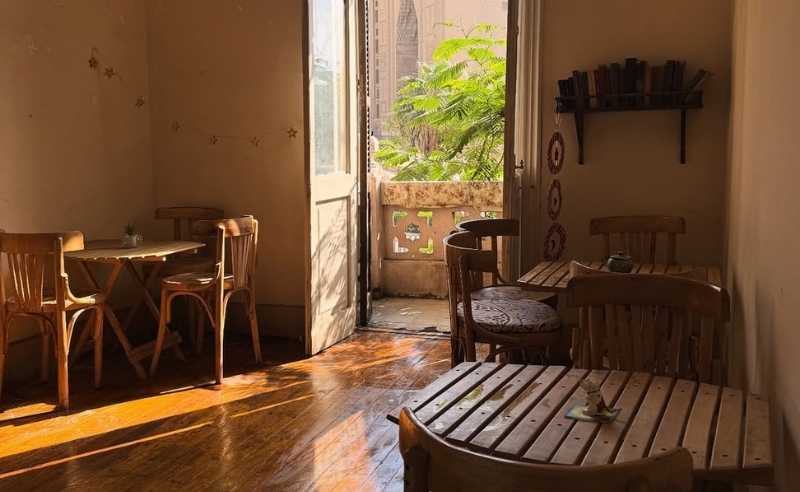 They opened just two days before Egypt recorded its first Covid case, and had to survive all of the instability that followed. Takiyyat Musafir ran a 'work from Takiyyat' campaign instead of 'work from home.'
"It wasn't easy. Most projects were closing during that period, while we were just beginning ours," Zienelden shares. "It was very risky, but thankfully it worked out."
A 'takiyya' was once a resting stop for travellers moving between governorates, providing food and shelter along the way.
Under the Mamluks, it became a place where poor people gathered for food and financial support.
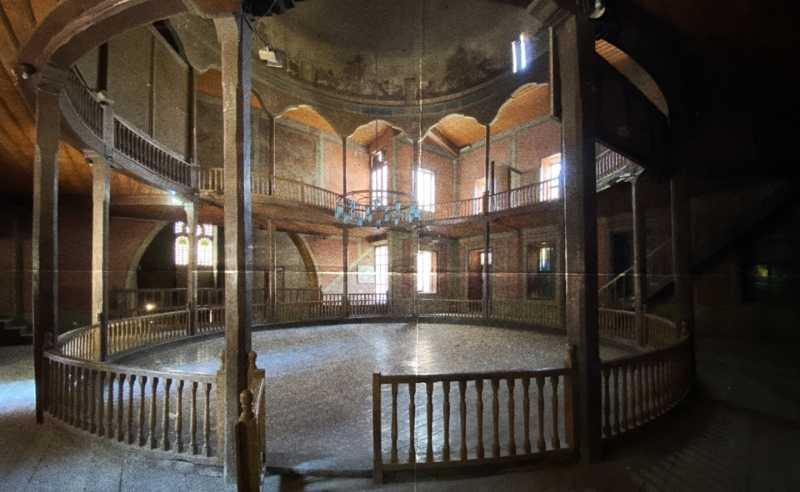 Once Sufism spread in Egypt, the meaning shifted again, into a space for spiritual practice.
"So, for us, a 'takiyya' is a place where people can find whatever they need, whether that's peace, art, learning, food, or inspiration," Nader says.
The name was drawn from Takiya al-Mawlawiyah, a site about ten minutes away tied to the Mawlawi order, the tradition founded by Rumi's followers after his death.
Musafir means traveller, though not in the literal sense of crossing a border.
"We don't mean someone travelling from one country to another," Zienelden said.
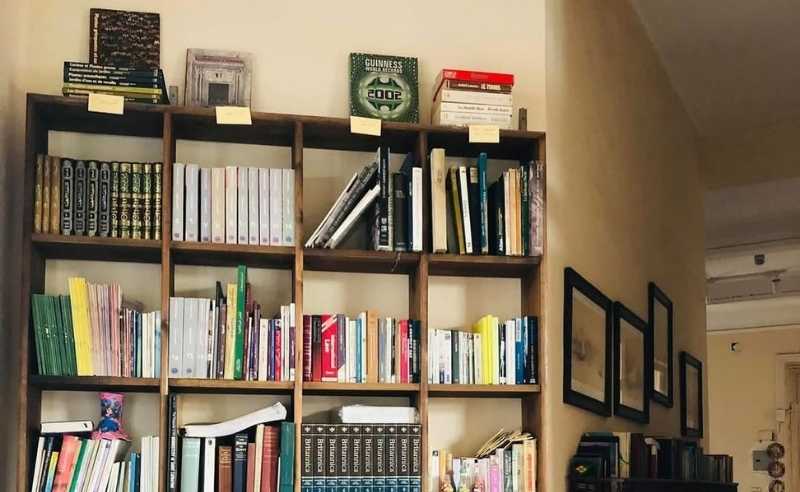 "You can simply take a book and sit on our balcony, and you'll become a traveller. It's about travelling with your soul through culture. Travelling to your own world."
The centre isn't a coffee shop, despite the assumption. Breakfast comes through Ota, a Darb al-Ahmar spot known for ful. Lunch comes from Om Hamza, who lives across the street.
 Both arrangements have run for about two years, and Zienelden explains the goal was to route visitors towards authentic food while supporting businesses already in the neighbourhood.
A children's programme runs alongside their main offering. "We teach them how to read maps in an interesting way, how to make recycled crafts, and we give sessions about the history of Egypt and Old Cairo," Nader said.
"We also introduce them to traditional handicrafts that are beginning to disappear."
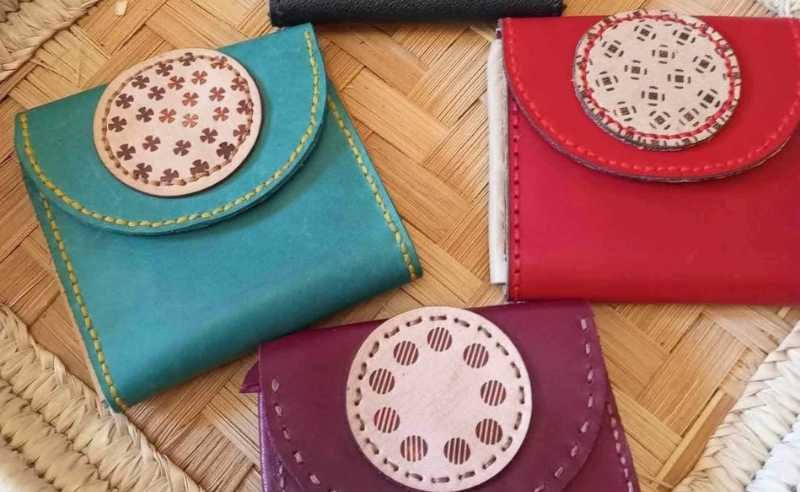 A showroom inside carries handmade products sourced from across the country. "Every governorate is known for different crafts, so we travel to places like Sinai, Aswan, and Siwa to find what each region is famous for," Nader says.
Those makers send their work to Takiyyat Musafir instead of travelling to Cairo themselves. "Everything is handmade, mostly by women who support their families through these crafts."
Two projects stand out for Nader. One was an exhibition for African refugees, "especially Sudanese refugees who are now living in Egypt," where a bazaar let them sell handmade products.
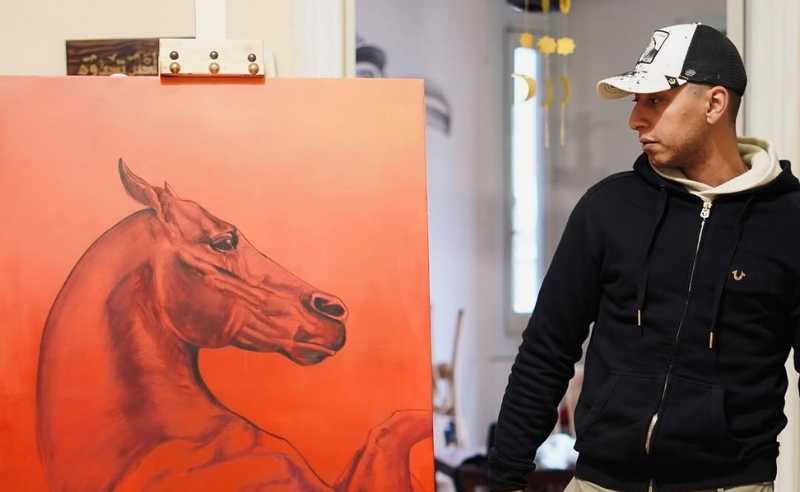 The other was for people from Gaza who came to Egypt during the war.
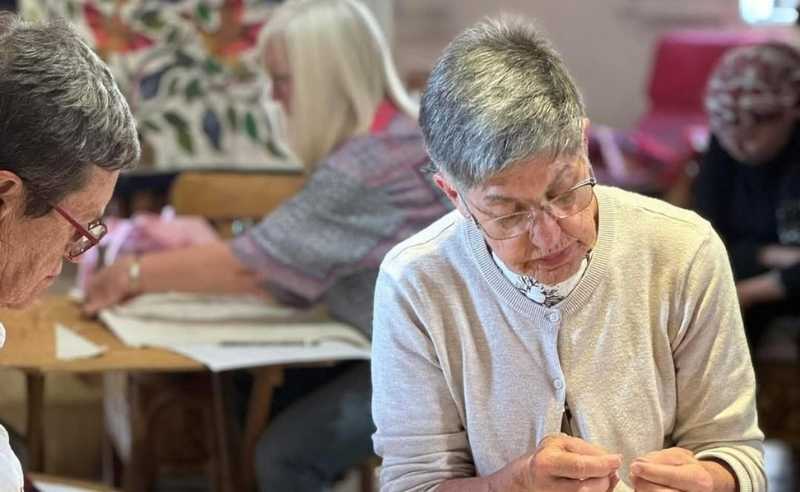
"Many of them had experienced trauma, so we organised art therapy workshops to help them express themselves," Nader said.
"We do many things for Egyptians, but these two events are especially meaningful to me."
Takiyyat Musafir has also run vaccination initiatives for street dogs in the area.
"I love dogs, especially Baladi dogs," Zienelden said. "We started changing people's attitudes toward them by launching vaccination initiatives for all the dogs around Takiyyat."
"If we continue preserving our heritage the way we've tried to do here, people will start seeing Old Cairo in a completely different way," Zienelden said.
Both women describe what they want a visiting traveller to leave with in similar terms.
"We want people to feel peace. We want them to experience the real Egypt," Nader said. "Not just Khan El Khalili, Al-Muizz Street, or the pyramids."
- Previous Article SceneNoise x Amsterdam Dance Event Present CROSSFADE: Egypt
- Next Article Maha Malluh's Photograms Capture Saudi Arabia in Transition
Related Articles

Trending This Week
-

-

-
 Sep 28, 2026
 -