





Middle East M&A Activity Reaches $23.3 Billion in Q1 2026
Nearly 200 mergers and acquisitions were recorded across the region during the first quarter of 2026.


Ansarada, an AI virtual data room firm, reported 196 mergers and acquisitions worth $23.3 billion across the Middle East during the first quarter of 2026.
The total compares with 207 deals valued at $31.3 billion during the same period in 2025, reflecting a decline in both deal volume and value amid longer transaction timelines and increased due diligence requirements.
The UAE recorded 33 deals worth $2.2 billion during the quarter, down from 52 transactions in the first quarter of 2025, representing a 37% decline in deal volume. The report described the slowdown as a recalibration of capital deployment rather than a sign of weakening investor confidence.
Across the Gulf, deal activity remained relatively stable. Saudi Arabia recorded 24 announced transactions, up slightly from 23 a year earlier. Oman reported seven deals worth $535 million, while Qatar recorded four transactions and Kuwait registered three deals worth $24 million.
According to the report, regional dealmaking continues to be supported by sovereign-backed investment strategies, economic diversification programmes and long-term infrastructure priorities. Sovereign wealth funds were identified as a key stabilising force underpinning activity across the region.
Technology was the most active sector by deal volume, accounting for 68 transactions worth $7.3 billion, driven by continued investment in artificial intelligence, fintech and enterprise technology.
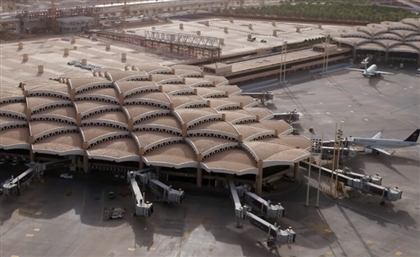
Transportation led all sectors by value, generating $8.2 billion across nine transactions, reflecting ongoing investment in infrastructure and logistics assets.
Energy and natural resources recorded $2.2 billion across 18 deals, while healthcare generated $1.9 billion through 19 transactions. Industrials accounted for 23 deals worth $1.6 billion as countries continued efforts to expand domestic manufacturing capacity.
The report noted that while geopolitical tensions may continue to affect transaction timelines in the short term, the region's long-term mergers and acquisitions outlook remains supported by economic reform programmes, diversification agendas and continued outbound investment by Middle Eastern buyers.
- Previous Article SceneNoise x Amsterdam Dance Event Present CROSSFADE: Egypt
- Next Article CNTXT AI Acquires Actualize to Strengthen Arabic Voice AI