

The Foundry is Creating Startups From Problems, Not Pitches
The co-creation studio is turning real operational problems inside businesses into AI-native B2B products.
In most startup stories, the sequence is familiar: a founder spots a gap in the market, builds a product, then searches for customers willing to validate it.
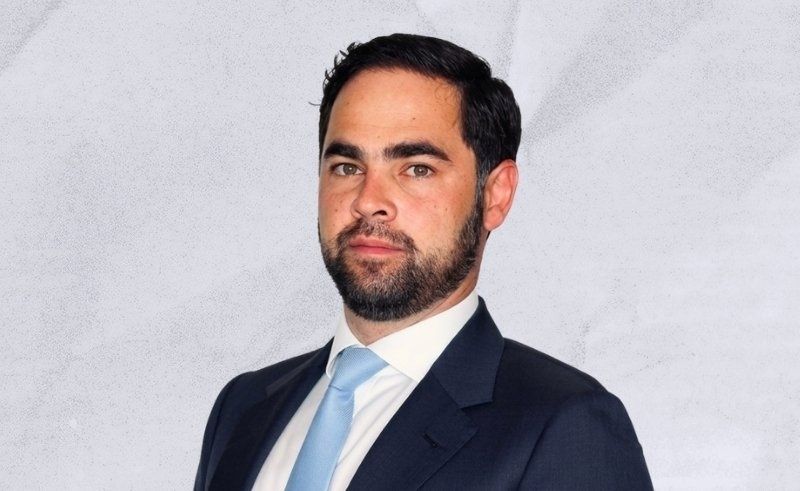
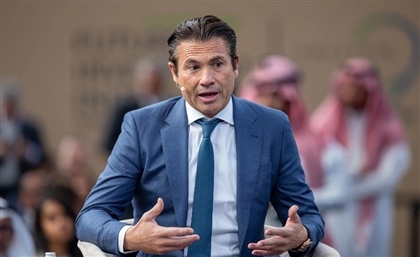
The Foundry, founded in January 2026, is attempting to reverse that process entirely. “We build real-world technology with the people who need it,” Seifallah Zoghbi, founder and CEO, tells StartupScene.
“Operators, investors, and builders, under one roof, creating AI-native products that solve real operational challenges.” Rather than beginning with ideas or market opportunities, the Cairo-based venture builder starts with operational challenges already affecting businesses.
The goal, Zoghbi explains, is to build products around real demand rather than spend months searching for product-market fit after launch. The model appears to have resonated quickly. Within three weeks of opening discussions with investors, The Foundry secured EGP 34 million, providing what Zoghbi says is sufficient capital to execute on its plans over the next two years without requiring another fundraising round. That approach is already translating into a growing pipeline.
The Foundry currently has eight products in development, with four expected to launch over the coming months. Two are set to come to market in July, while another two are scheduled before the end of the summer. Importantly, not all of those products are being treated the same way. Of the first four launches, two will be commercialised as standalone ventures, while the others will initially remain embedded within the businesses where the challenges originated.
The portfolio is deliberately sector agnostic, following operational problems wherever they emerge across its network. Zoghbi describes The Foundry as a co-creation studio that brings stakeholders within a single system.
“The Foundry is owned by operators, investors, and builders who want to solve real problems with speed and clarity,” he explains. “Our shareholders don't hire us, they join us and share exposure to everything we create.” Unlike traditional venture studios that often begin with market theses, The Foundry sources opportunities directly from businesses operating inside its network.
The companies involved are not simply providing capital; they are helping define what gets built from the outset. “We have monthly meetings where investors come together and share the real problems they’re facing,” Zoghbi explains.
From there, teams map workflows, identify inefficiencies, and assess whether a problem can be solved through technology. “We start with operators inside our network. We map real workflows, inefficiencies, and constraints,” he says. “We design and build focused prototypes using AI-native tools and small, senior teams. We deploy into real operations as early as possible to generate feedback and data."
Not every solution is intended to become a standalone company. Some products remain internal tools used by the businesses that inspired them, while others are expanded across the network or spun out into independent ventures. “Either way, shareholders share the upside,” Zoghbi says.
Before moving forward, the team evaluates whether a challenge can extend beyond a single company. “The first customer is already built in. That’s a blue-chip business we’re working with from day one,” Zoghbi explains.
As a result, The Foundry is designed to tackle what Zoghbi sees as the three biggest risks facing founders. “Funding, whether the idea works, and getting the first customer,” Zoghbi explains. “Our model is designed to reduce all three.” The investor structure is central to making that possible.
When it comes to ownership, Zoghbi describes shareholders as active participants in the system itself, rather than passive backers. Instead of merely investing into a single startup and waiting for an outcome, they contribute operational insight, surface business challenges, and help shape the ventures being built. Investors and operators hold equal economic stakes in The Foundry, alongside a separate managing stake held by the founding team.
The structure is designed to align participants around the success of the broader platform rather than individual companies, creating shared exposure across every product and venture developed within the ecosystem.
For Zoghbi, that alignment matters because the same group of stakeholders often acts as the source of problems, the testing ground for solutions, and the first customers for new products. Capital, operational expertise, and distribution are effectively brought together under one roof. While the model is built around operational insight, Zoghbi believes recent advances in AI have fundamentally changed how quickly products can be developed and tested.
“What really changed everything is AI-assisted coding. What used to take $200,000 and nine months to build an MVP now takes a month and a half.” The shift has allowed smaller teams to move significantly faster, compressing development timelines and making experimentation less expensive. AI is not simply another technology layer, however. It is the reason the co-creation model can operate at a pace that would have been difficult to achieve just a few years ago. The concept emerged from Zoghbi’s own 20-year experience across private equity and operations. That experience gave him a front-row seat to how businesses create value, but it also exposed what he saw as a disconnect between investors and the companies they funded.
Over time, his focus shifted from investing in businesses to building them directly. Following COVID, he launched two startups of his own. While neither became large-scale companies, both returned capital to investors. “I had established that I knew how to build things and get them to a stage where they could still return capital.”
As Zoghbi spent more time around venture investing, a recurring concern kept resurfacing. “You’re asking investors to give you money for 10 years, into businesses that have nothing to do with our core operations, and with very little operational control if something goes wrong.”
Zoghbi recalls hearing similar frustrations repeatedly from investors, many of whom felt they had spent years backing companies far removed from their core businesses, often with little to show for it. He says many investors expressed a desire to be more directly involved in creating businesses rather than simply financing them. “If they could go back, they would have done everything themselves. The Foundry is what makes that possible.”
With funding secured, a two-year runway in place, and the first wave of products preparing to launch, the company is now entering what Zoghbi sees as its most important phase. “We’re not doing another fundraising round for a while. We want to focus on delivering what we’ve already built.”
For now, the challenge is no longer proving the model can attract investors or surface opportunities. It is proving that startups can be built differently, and that the best ideas may begin not with a pitch deck, but with the operational realities of the businesses they are designed to serve.
Related Articles
Trending This Week
-
-
 Oct 15, 2026
 -
-