






Frank Gehry's Vision Behind Guggenheim Abu Dhabi’s 10 Monumental Cones
At the heart of Guggenheim Abu Dhabi, we look at how Frank Gehry’s ten monumental cones turn a striking sculptural gesture into a response to the Gulf’s heat and coastal conditions.

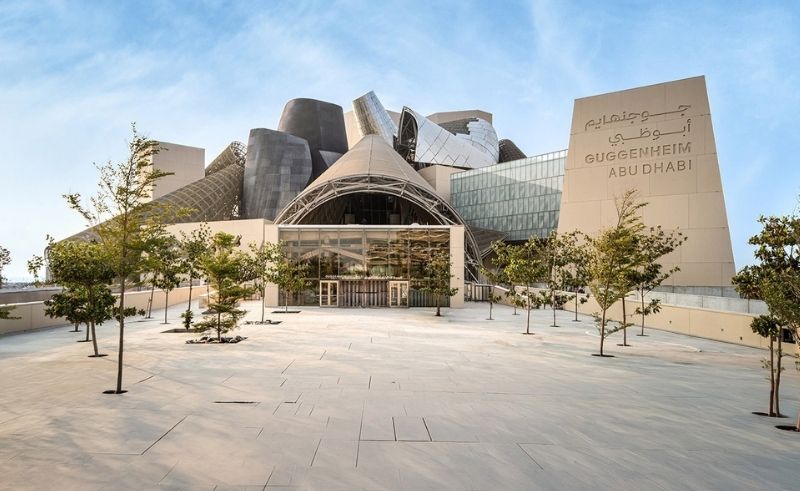
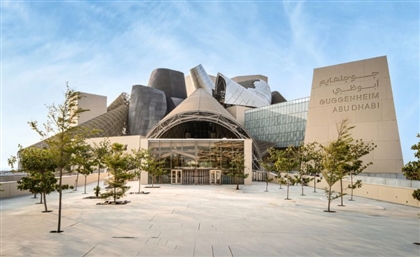
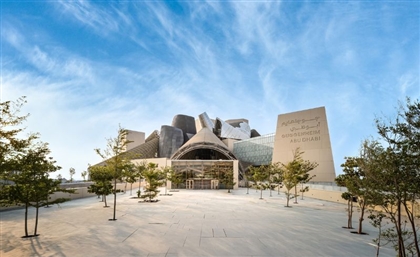
With the opening of Guggenheim Abu Dhabi now approaching, anticipation is building to finally walk beneath the enormous cones of Frank Gehry’s final landmark, a project his practice carried through to completion after his death. Rising from Saadiyat Island in a cluster of irregular, sculptural forms, the museum is unmistakably Gehry, from its monumental volumes to the metallic surfaces that catch Abu Dhabi’s intense light. But there is more to these forms than their visual impact.
That visual grandeur has a precise architectural purpose in the building’s ten monumental cones, nine clad in stainless steel mesh and one in onyx and glass. Carefully positioned above the courtyards and terraces, they cast shade across the spaces below while helping to draw air through the museum, allowing warm air to rise through the taller forms as cooler breezes move through the lower areas. Their extravagant architectural expression is inseparable from the museum’s response to Abu Dhabi’s climate.
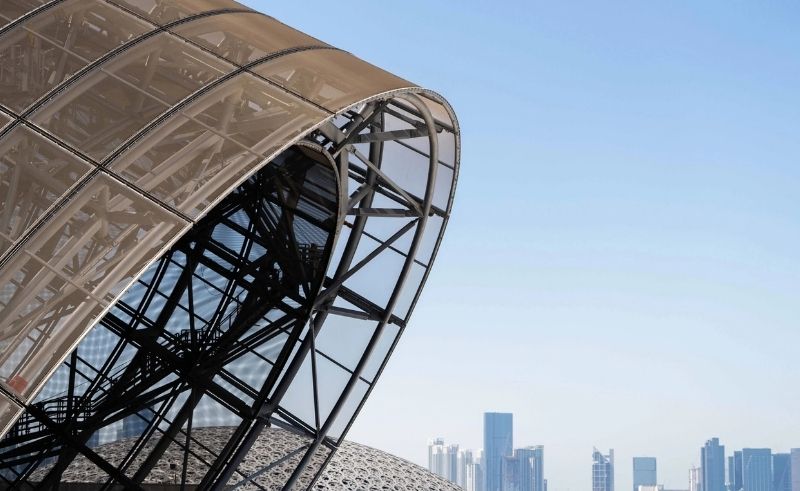
That response to place developed over years of site visits, research, physical models and design studies. Gehry and his team repeatedly returned to Saadiyat Island, studying its landscape and coastline as well as the ways people would approach, gather and move through the site. Those observations informed everything from its orientation and circulation to the arrangement of its public spaces.
“He approached the design carefully, searching for an architectural language that respected both Abu Dhabi's history and its aspirations,” says Meaghan Lloyd, Partner at Gehry Partners.
That process is being celebrated alongside the finished building. The inaugural exhibition will bring together original sketches, early hand-built models and archival material tracing the museum’s evolution over the years.
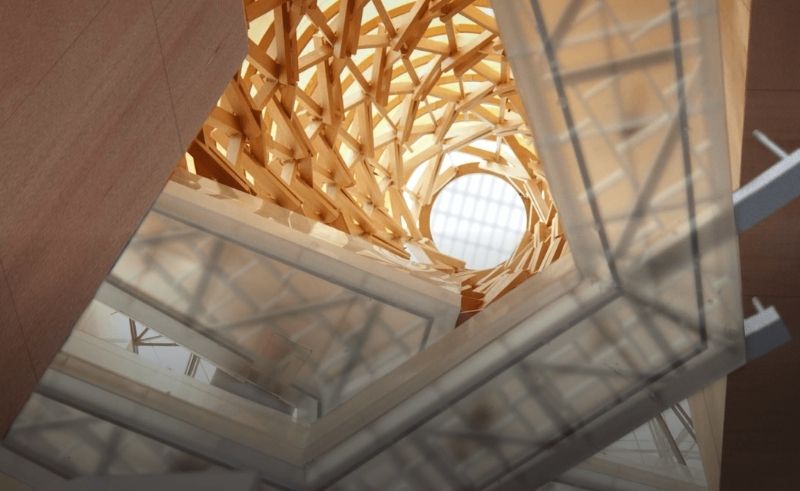
The scale of the project gives that strategy plenty of room to operate. Guggenheim Abu Dhabi contains 28 galleries and 11,600 square metres of interior exhibition space, alongside 23,000 square metres of outdoor exhibition space, within a total building area of 84,000 square metres. Rather than reading as a single sequence of conventional galleries, the museum moves between enclosed rooms, shaded courtyards, terraces and the spaces beneath its monumental cones, creating a changing series of conditions for encountering art.
For artists, that means works can occupy spaces suited to their scale and medium, from intimate pieces inside the galleries to large-scale commissions extending into the outdoor areas. The boundary between exhibition and public space is similarly porous, allowing visitors to encounter works as they move through the building.
“Guggenheim Abu Dhabi is a work of art in its own right. It will stand as one of the great works of architecture of our time, and as a space where artists and audiences from the United Arab Emirates, the region, and the world can come together in ways that only this museum makes possible.” says HE Mohamed Khalifa Al Mubarak, Chairman of the Department of Culture and Tourism in Abu Dhabi.
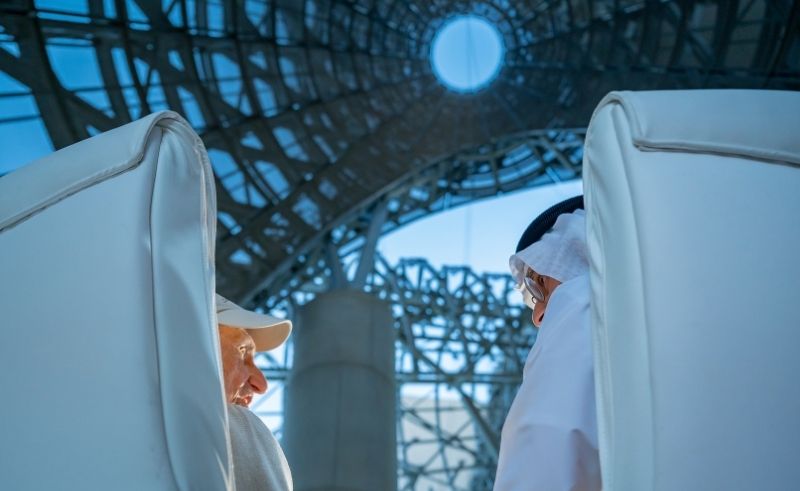
Its relationship with the coastline extends that idea beyond the building itself. Positioned between land and sea, the museum uses its orientation, openings and outdoor exhibition spaces to keep visitors connected to the landscape around it. The water is an integral part of the experience the building is designed to frame.
That connection to place also speaks to the larger ambition of Saadiyat Island Cultural District. “For Gehry,” Lloyd says, “the scale of the district and Abu Dhabi’s investment in culture as part of the country’s future were a source of inspiration. The challenge was to make a building that could belong specifically to this place while retaining the ambition and architectural language that have defined Gehry’s work.”
As the first Guggenheim museum in the Middle East and a major anchor of the Saadiyat Cultural District, the project carries a significance that extends beyond its architecture. Completing it after Gehry’s death has meant carrying forward a project shaped by his long engagement with Abu Dhabi. “Guggenheim Abu Dhabi is an expression of Frank Gehry’s love for Abu Dhabi and his deep respect for its vision, courage, and patience,” says Lloyd. “All of us at Gehry Partners are honoured and humbled to carry this project to completion in his name.”
When the museum opens on 11 December 2026, it will mark the culmination of that long process, bringing to Saadiyat a building that is unmistakably Gehry while belonging specifically to the city and its ambitions.
- Previous Article Abu Dhabi Government to Train 23,000 Employees in AI by 2027
Related Articles
Trending This Week
-
 Oct 06, 2026
 -
-
-