



The Complete SceneHome Guide to Cairo Design Week 2026
From the Egyptian Museum in Tahrir to the palaces of Heliopolis and Zamalek, Cairo Design Week returns from November 19 to 28, transforming historic buildings into spaces for contemporary design.

Here is your ever-evolving guide to Cairo Design Week 2026, covering the designers, exhibitions, installations, historic venues and creative experiences taking over the capital. Keep checking back as we add new announcements, participating names and everything worth discovering across the city.
Cairo Design Week 2026 at a Glance
Dates: November 19th–28th, 2026
Districts: Downtown Cairo, Heliopolis and Zamalek
Edition: Fourth
Organiser: Creative Districts
What to expect: Design exhibitions, site-specific installations, fashion, furniture, collectible design, architecture, technology, craftsmanship, talks and creative experiences
Official website: cairodesignweek.net
Tickets: cdw.ticketsmarche.com
Cairo Design Week is where Egypt's creative pulse goes public. For ten days each year, designers, architects, artists and makers from Egypt, the region and beyond spill out across the city, taking over old houses, hidden courtyards, cultural institutions and some of Cairo's most storied buildings. There are exhibitions to seek out, installations to stumble upon and conversations happening everywhere, but part of the pleasure lies in the journey between them: wandering down streets you thought you knew, stepping through doors usually closed, and discovering new corners of Cairo along the way.
From November 19th to 28th, Cairo Design Week returns for its fourth edition, bringing designers, architects, artists, craftspeople, collectors and creative communities into spaces across Downtown, Heliopolis and Zamalek. The programme spans furniture, interiors, architecture, fashion, collectible design, material experimentation, technology and contemporary craftsmanship. Some exhibitions revisit traditions that have survived for centuries. Others imagine the future of mobility, rethink Egyptian hospitality or give emerging designers a chance to make their mark on the city.
Organised by Creative Districts, founded by Hisham Mahdy in partnership with Yosra Sherra, Cairo Design Week has grown into one of the country's most ambitious platforms for the creative industries. Its third edition in 2025 drew more than 54,000 visitors, bringing together over 200 exhibitors, 100 designers and 50 venues.
For 2026, the city itself takes centre stage.
DISTRICT ONE: DOWNTOWN CAIRO
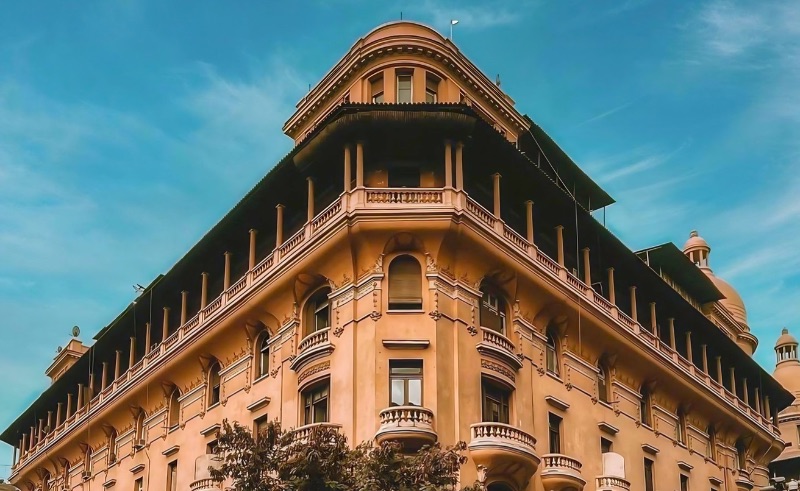
Downtown Cairo has never been particularly interested in belonging to a single era. Its streets are a collision of architectural ambitions, political histories, faded grandeur, reinvention and everyday life. Behind its façades lie spaces that have served as aristocratic residences, cultural institutions, government offices and meeting places for generations of Cairenes. For Cairo Design Week 2026, contemporary designers and artists take up residence in buildings already crowded with history, introducing new ideas into spaces that have witnessed more than a century of Cairo's changing fortunes.
THE EGYPTIAN MUSEUM IN TAHRIR
Curated by Design Point Studio
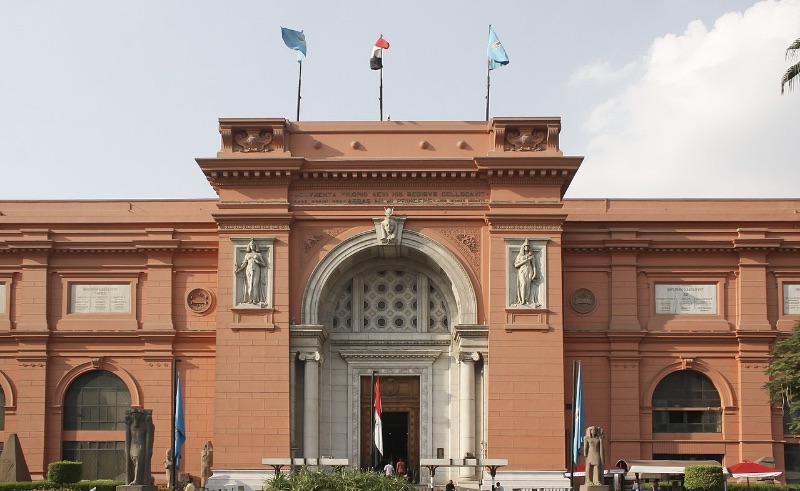
For more than a century, the Egyptian Museum in Tahrir has housed the extraordinary evidence of a civilisation whose imagination continues to shape the world. This November, its monumental pink façade and historic gardens become the backdrop for a new generation of creative voices.
TheMENAEdit: A Region in Conversation
What happens when designers from across the Middle East and North Africa are brought together to imagine something none of them might have created alone?
Set in the museum's gardens, TheMENAEdit brings together 21 creative participants and teams representing more than ten nationalities in seven cross-border collaborations. Developed by Creative Dialogues, Design Point Studio and Creative Districts, the exhibition brings different cultural perspectives, disciplines and generations into conversation, producing original, limited-edition works that draw on the region's shared heritage and extraordinary diversity.
Among the participating creatives are Saudi Arabia's HRH Princess Noura Al Saud, Gaida Almogren, Nawaf Al Nassar, Mashhoor Khaled Al Nassar and Ghalia Abdul Jawad; Lebanon's Nohma Kaaki; the UAE's Alia AlShamsi; Bahrain's Nermin Habib; Oman's Laith Khalifa Al Shiyadi; Iraq's Rand Alkishtaini; Kuwait's Sara Al Nafisi; Tunisia's Ghalia Benali; Qatar's Abdulrahman Al Muftah; and Syrian-Armenian creative Stephany Sanossian.
Joining them from Egypt are Cherif Morsi, Alia and Tamara Tanani, Mohammed Said, Yasmine El Meleegy, Amir Dous, Alia Mortada and Ramzi Makram-Ebeid.
From interpretations of Cairo's skyline and the city as a muse to explorations of furniture, textiles and collectible design, the seven collaborations promise unexpected encounters between different creative languages, materials and cultural traditions.
SceneHome Presents: The Cardinal Points by ElGhoneimi International and Dr. Greiche Glass
Thousands of years before the invention of photography, cinema or social media, the ancient Egyptians were already masters of storytelling. They carved their triumphs, beliefs, identities and ambitions into stone, leaving behind monuments that would speak to generations they could never have imagined.
Inspired by the ancient Egyptian stela, The Cardinal Points, presented by SceneHome and conceived by ElGhoneimi International and Dr. Greiche Glass, brings this enduring human impulse to record, remember and be remembered into the present.
At the heart of the installation lies the Egyptian Museum itself, the symbolic epicentre of a civilisation whose stories have travelled to every corner of the world. Radiating outwards from the museum garden's central fountain, four monumental glass compositions are oriented towards the four cardinal directions: north, south, east and west. Together, they evoke the extraordinary reach of Egyptian civilisation, its influence extending far beyond the borders of the country in which it was born.
Through glass, light and moving imagery imagined up by Ghada Dwaik, the installation connects the ancient Egyptian tradition of recording history for posterity with the contemporary ways we capture and communicate our lives. As visitors move around the works, their shifting perspectives reveal different fragments of a larger story, much as the city itself reveals different versions of its identity depending on where one stands.
And while the museum safeguards the stories of ancient Egypt, The Cardinal Points turns its gaze towards the Cairo we are living, building and remembering now, asking what stories of our own time might one day travel just as far.
FAIKA HANIM PALACE
Curated by Creative Districts × Le LAB | In partnership with Grova by Hassan Allam Holding
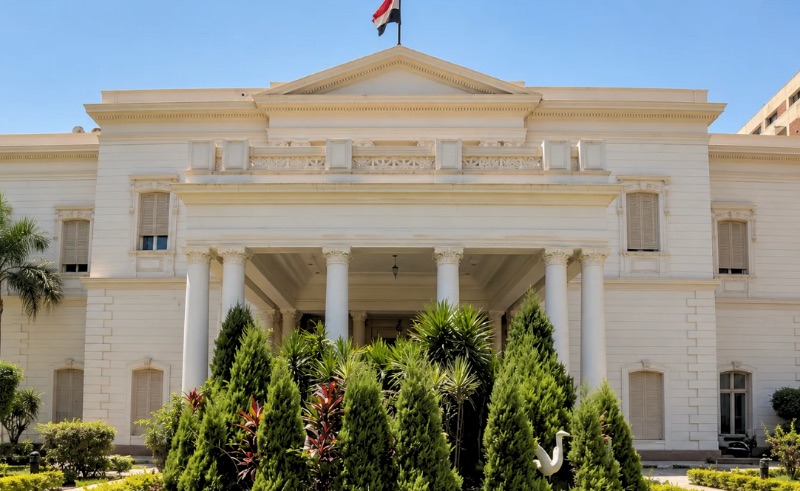
Once a residence of Egyptian royalty, later the headquarters of the Ministry of Education, Faika Hanim Palace has spent much of the last century belonging to the business of the state. This Cairo Design Week, its grand rooms are preparing to entertain again.
Through a collaboration between Creative Districts and Le LAB, with Grova by Hassan Allam Holding, the nineteenth-century palace is being reimagined as a Cultural Guesthouse, where hospitality, art, antiques and contemporary design will share an address.
For Cairo Design Week, the palace offers a glimpse into that future through The Keepers of Taste, bringing together Mohamed Noaman, Rawya Mansour, Nermine Mokhtar and Nihal Zaki to interpret its historic interiors. Each designer will give a room its own personality, weaving contemporary furniture, art, antiques and collectible objects into the imagined private lives of the palace's inhabitants.
Collectible design also enters the conversation through Through a Collector's Eye, a concept inspired by an earlier Hamptons edition curated by Rasheed Kamel and Russell Piccioni, which brought together more than 15 artists and designers. At Faika Hanim Palace, the idea finds an intriguing new context, where contemporary collecting meets a building whose own history offers an extraordinary lesson in changing tastes.
The palace's opening celebrations are planned for November 22nd, hosted by Grova Developments, with an evening of art, music, architectural illumination and hospitality extending from its interiors into the gardens.
For a building that has passed from royal residence to government institution, its next incarnation promises a rather different sort of public life.
CAFÉ RICHE BUILDING
Curated by Mental Flame Studios & Architecture
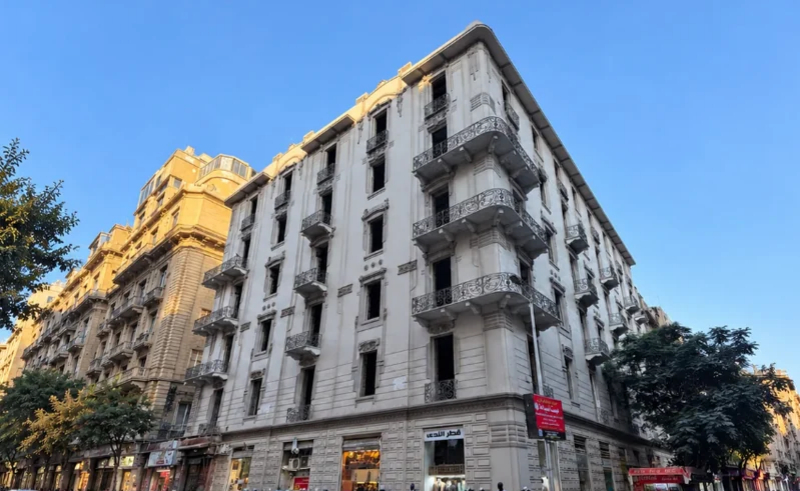
If the walls of Café Riche could talk, they would have enough material for several volumes of Egyptian history, with a few scandalous chapters thrown in for good measure.
For generations, this Downtown institution has attracted writers, artists, intellectuals and political figures, becoming a gathering place for the arguments, ambitions and cultural movements that helped shape modern Egypt.
At Cairo Design Week, Mental Flame Studios & Architecture will draw on that inheritance, exploring the building's cultural memory and the characters and conversations that have passed through it.
In a city where so much history is preserved behind glass, Café Riche offers something wonderfully human: the history of people sitting around tables, talking about how the world ought to be.
LAZOGHLY
Curated by The Design Avenue
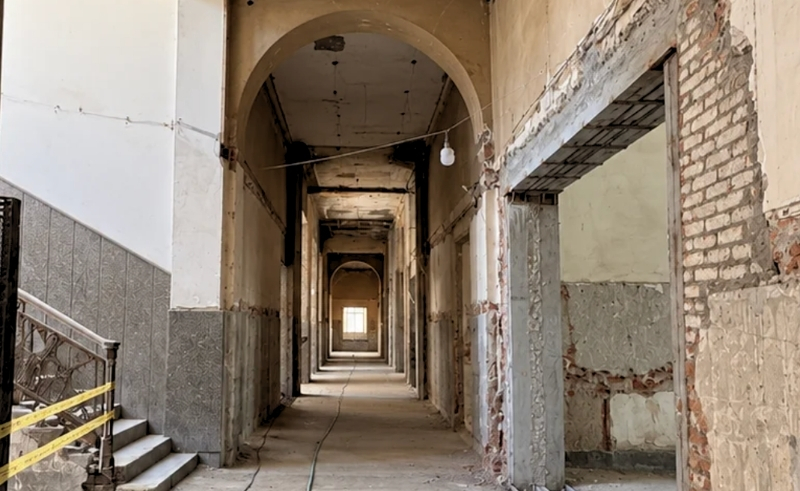
There is something particularly fitting about an exhibition called What Remains Becomes finding a home in Downtown Cairo, where every generation seems to have inherited a city from the one before it and promptly begun rearranging the furniture.
Curated by The Design Avenue, the exhibition draws on art, literature, philosophy, architecture and craftsmanship to explore the creative possibilities of what we inherit.
Materials acquire new purposes, familiar ideas take unexpected forms and the past becomes fertile ground for contemporary expression.
In Lazoghly, where the architectural and cultural layers of Cairo remain visible at almost every turn, What Remains Becomes finds a setting that has been practising reinvention for generations.
DISTRICT TWO: HELIOPOLIS
-31b0d49f-9e41-4ac9-af06-f9ae01a6d191-0d268ea6-7f95-43d8-b703-80931752a32b.jpg)
Heliopolis began as one of Cairo's great urban experiments. Conceived at the beginning of the twentieth century as an ambitious new city beyond the capital, its palaces, villas and broad avenues reflected a fascination with architecture, modernity and the possibilities of urban life. More than a century later, Cairo Design Week returns to that spirit of experimentation, filling its historic spaces with contemporary craftsmanship, emerging talent and visions of a future that would have been almost unimaginable to the neighbourhood's original inhabitants.
GHURNATA COMMUNITY SPACE
Curated by Shewekar
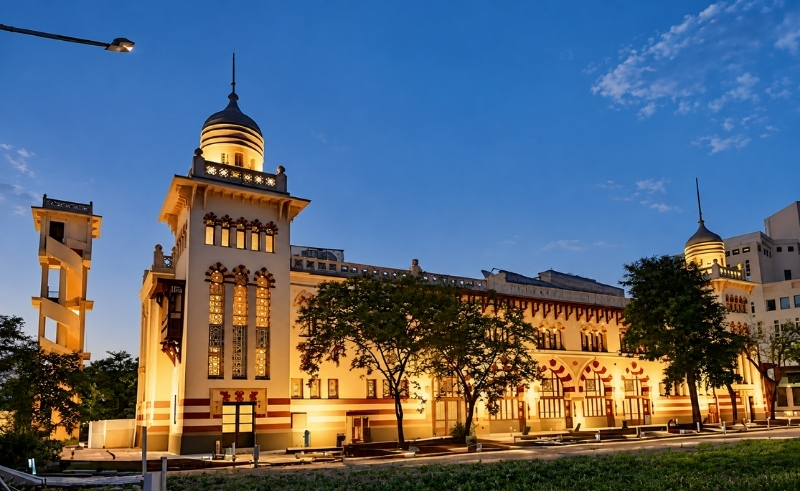
YADD Community: Past, Present & Future: Craft in Continuity
There is a particular kind of knowledge that cannot be learnt from a book. It lives in the hands of artisans, in techniques passed between generations, in the patience required to turn humble materials into objects of beauty.
At Ghurnata Community Space, YADD Community, curated by Shewekar, explores the past, present and future of Egyptian craftsmanship, bringing traditional makers into conversation with contemporary designers.
From the intricacies of mother-of-pearl inlay and arabesque woodwork to pottery, glass, copperwork, textiles and the colourful appliqué traditions of khayamiya, the exhibition celebrates skills that have shaped Egypt's material culture for centuries. Kahhal Looms, Nadim, Kelos and Adeem are among the names contributing their perspectives to this exchange between heritage and contemporary design.
The question running through it all is what happens next. How do traditions survive changing tastes, technologies and economies? And what might emerge when the people who have spent their lives mastering these crafts collaborate with designers imagining entirely new possibilities for them?
Also at Ghurnata, Lines of Light, curated by Shosha Kamal, turns its attention to architecture and the drawings through which cities are first imagined, exploring the distance between an idea on paper and the buildings that eventually become part of our everyday lives.
SULTAN HUSSEIN KAMEL PALACE
Curated by Mental Flame Studios & Architecture
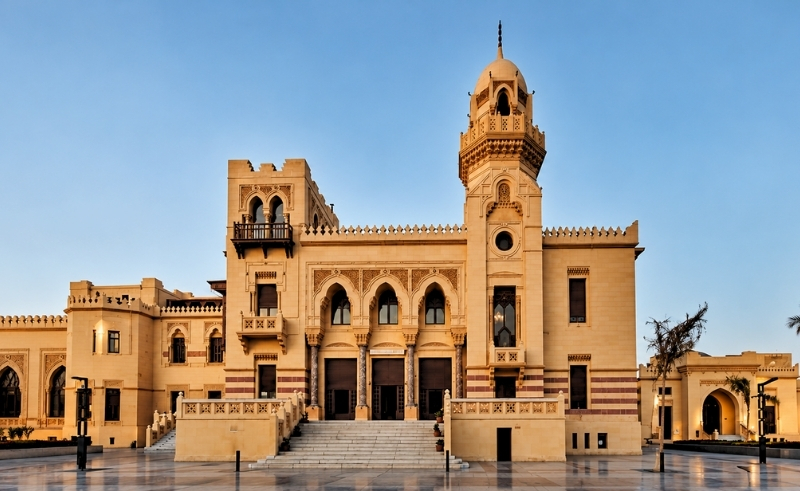
inMotion
A palace built for a different century might seem an unlikely place to contemplate the future of mobility. Then again, few things reveal the ambitions of an era quite as vividly as the ways its people imagine moving through the world.
At Sultan Hussein Kamel Palace, inMotion, developed with PHOTON X and ELARABY, brings together industrial design, engineering and technology to explore how movement continues to shape the objects we make and the lives we lead.
Among its most intriguing propositions is an Egyptian motorcycle prototype by Ali Hossam Ali, alongside Reimagining Ramses, which revisits Egypt's homegrown automotive ambitions through contemporary interpretations by Mohamed Fares, Hisham Mahdy, Hashir Salem, Sherif Elashhab, Youssef Omar and Akram Yousry.
The exhibition also looks towards the next generation of mobility, with Coventry University at The Knowledge Hub Universities exploring robotics, electronics and emerging engineering disciplines, while Averroes Ventures brings an entrepreneurial perspective to the relationship between invention and industry.
Within the palace's historic walls, the exhibition becomes a conversation between generations of ambition: the machines we once dreamed of making, the ingenuity required to make them and the possibilities that still lie ahead.
HELIOPOLIS LOCANDA
Curated by Mental Flame Studios & Architecture
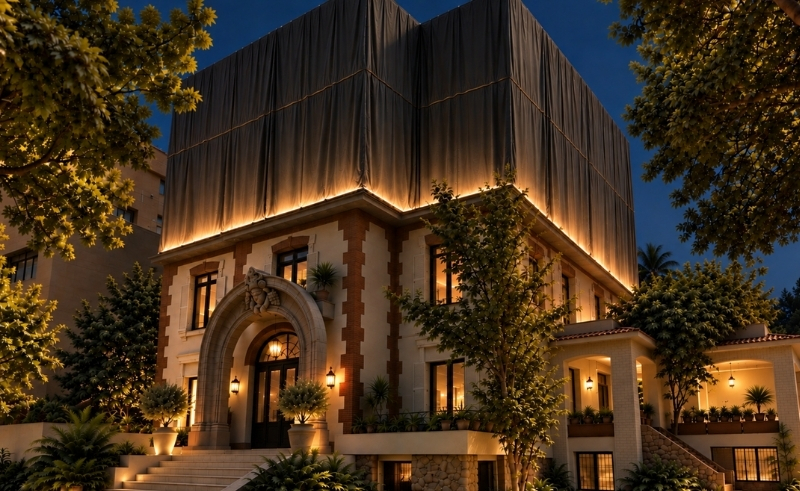
Reimagining Egyptian Hospitality
Egypt has been welcoming travellers for thousands of years, from ancient pilgrims and merchants to the grand-tour adventurers who helped make Cairo's legendary hotels famous. Somewhere between the splendour of those historic establishments and the increasingly interchangeable interiors of contemporary hospitality lies an opportunity to imagine something distinctly Egyptian.
At Heliopolis Locanda, emerging design brands explore what a new generation of Egyptian boutique hotels might look and feel like, drawing on the country's architectural inheritance, material traditions and contemporary creative identity.
Furniture, objects, interiors and atmosphere become ways of expressing a sense of place, exploring how Egyptian hospitality might find a contemporary visual language beyond the familiar clichés.
MAKERSPACE
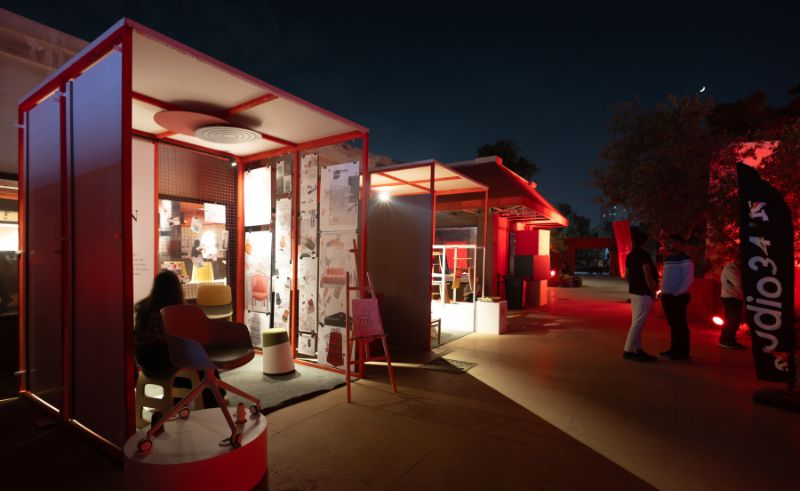
Where Ideas Become Objects
Every great design begins somewhere, although the journey from an idea scribbled in a notebook to an object that exists in the world is rarely straightforward.
Makerspace celebrates the experiments, unexpected collaborations and occasional spectacular failures that make creative progress possible, bringing together young designers, students, craftspeople and technological innovators.
Among the participating initiatives, Studio 34 joins Base Studio for Metamorphosis: Second Skin, exploring transformation through design, while Cairo's Workshop, founded by Yahya El Hosafy, takes visitors into the world of woodworking through Zero to Hero.
Fab Lab Egypt explores digital fabrication, from 3D printing and laser cutting to electronics and emerging technologies, while WeAreDESCO connects the exhibition to the next generation of architectural talent through its regional graduation competition.
There is also Moshtarak, whose archive of more than 200 previously unreleased concepts and prototypes offers a glimpse into the creative lives of ideas that have yet to reach the market, spanning everything from furniture and footwear to jewellery and industrial design.
Together, these projects offer a portrait of Egypt's emerging creative community at work, where the boundaries between designer, engineer, artist and entrepreneur are becoming increasingly fluid.
DISTRICT THREE: ZAMALEK
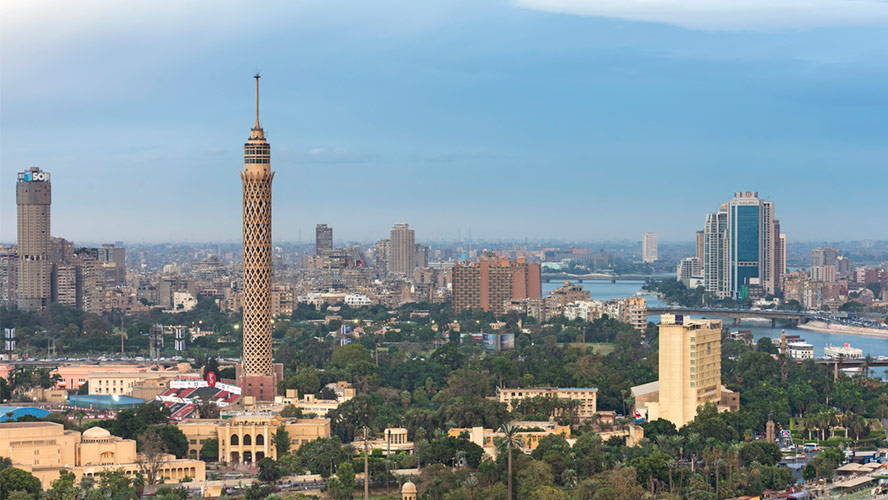
Zamalek has long occupied a particular place in Cairo's cultural imagination. Its leafy streets, historic villas, galleries and grand apartment buildings have been home to generations of artists, writers, collectors and intellectuals, giving the island a creative identity all its own. For Cairo Design Week 2026, that inheritance becomes the setting for encounters between contemporary art, fashion, architecture and design, as some of the neighbourhood's most recognisable cultural landmarks open themselves to new interpretations.
AISHA FAHMY PALACE
Curated by TDF+
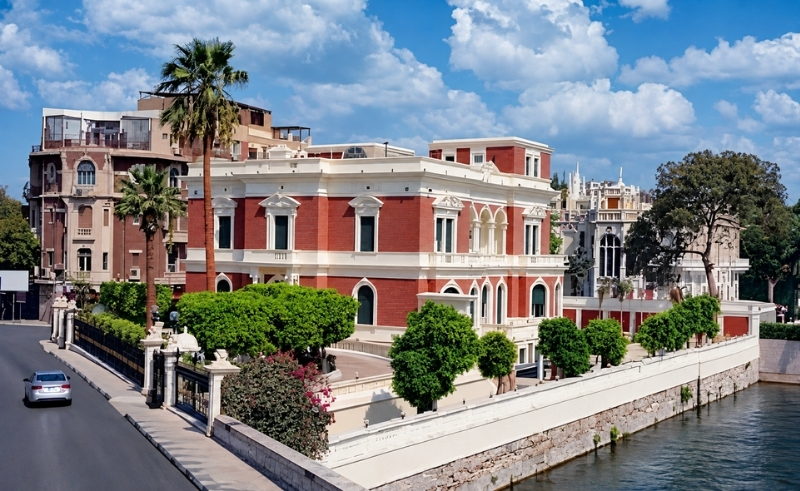
Few buildings in Zamalek capture the extravagance of Cairo's aristocratic past quite like Aisha Fahmy Palace. Built in the early twentieth century, its elaborate interiors, decorative craftsmanship and architectural details evoke an era when private residences were conceived as works of art in their own right.
Now a cultural landmark, the palace provides an evocative setting for Cairo Design Week, with TDF+ overseeing its participation in this year's programme.
Further details of the exhibitions and participating creatives are expected to be announced.
ISLAMIC CERAMICS MUSEUM
Curated by RAD Studio
CDW Stage
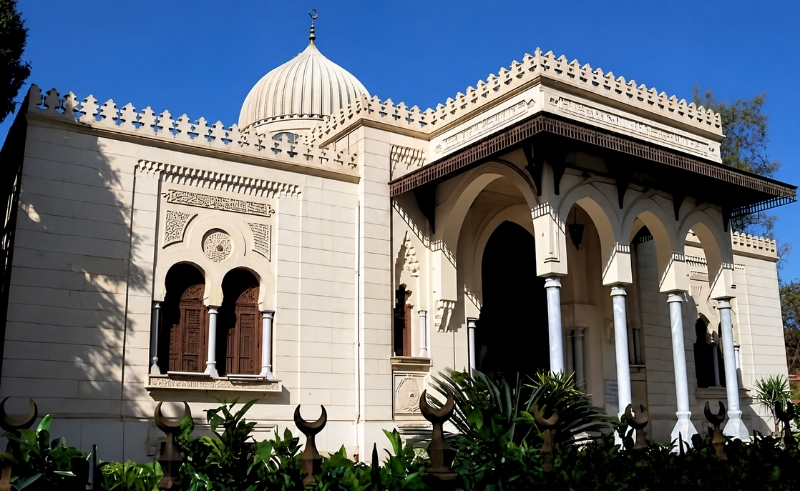
Within one of Zamalek's most distinctive cultural settings, the Islamic Ceramics Museum becomes a meeting place for the ideas and arguments shaping contemporary design.
The museum's collection speaks to centuries of experimentation with material, form, ornament and craftsmanship across the Islamic world. During Cairo Design Week, that history provides a fitting backdrop for CDW Stage, the festival's programme of conversations bringing together designers, architects, artists and creative industry figures.
Developed in collaboration with Creative Industry Summit and DeForum, the talks explore the forces shaping the region's creative landscape, from design education and cultural production to the relationship between creative expression and commerce.
MAISON 22
Curated by KK, an Alchemy Studio
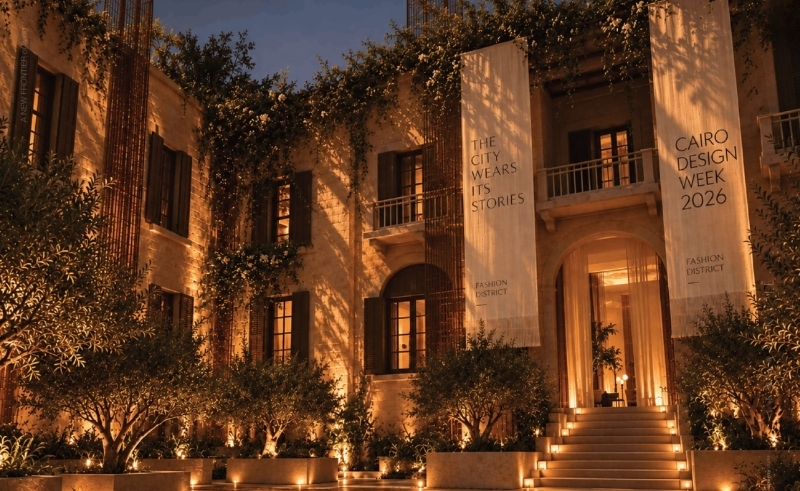
Fashion Design District: The City Wears Its Stories
Long before fashion became an industry of international runways and seasonal collections, Egypt was producing textiles of extraordinary sophistication. From the finely pleated linen of ancient Egypt to the intricate weaving traditions of Akhmim, clothing and cloth have carried stories of identity, craftsmanship, status and belonging across thousands of years.
At Maison 22, Fashion Design District, curated by KK, an Alchemy Studio, draws on this inheritance to explore the relationship between what Egyptians have worn, what they have made and how contemporary designers continue to reinterpret those traditions.
The exhibition traces the country's layered textile history, from ancient linen and Coptic weaving to the calligraphic inscriptions of tiraz fabrics and the vivid appliqué of khayamiya, following techniques and visual languages that have survived successive civilisations.
These traditions become starting points for contemporary expression, inspiring new materials, silhouettes and approaches to making.
There is something fitting about exploring fashion in Zamalek, a neighbourhood whose cultural identity has been shaped by generations of artists, ateliers and collectors. Here, the story of Egyptian fashion stretches far beyond the wardrobe, encompassing the people, places and practices that have dressed a civilisation.
FACULTY OF FINE ARTS
Curated by Segments Architects
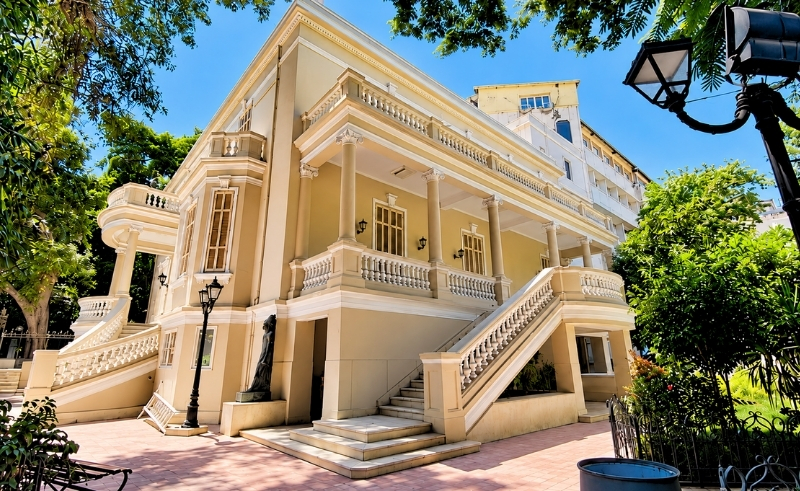
For generations, the Faculty of Fine Arts has helped shape Egypt's artistic and architectural imagination, educating the painters, sculptors, designers and architects whose work has become part of the country's visual identity.
Its participation in Cairo Design Week brings the festival into a setting where creative ideas are continually questioned, tested and developed, connecting the wider design community with the institutions helping shape its future.
Segments Architects will oversee the venue's curatorial programme, with further exhibition details to be announced.
- Previous Article Test 2026-10-27
- Next Article Crazy Horse Paris to Open First Permanent Show Outside France in Dubai
Related Articles
Trending This Week
-
-
-
 Oct 24, 2026
-