





Egyptian Ambulance Authority Handles Around 2 Million Cases a Year
Emergency reports exceed 1.4 million annually, with about 860 thousand non-emergency reports and 86% citizen satisfaction.

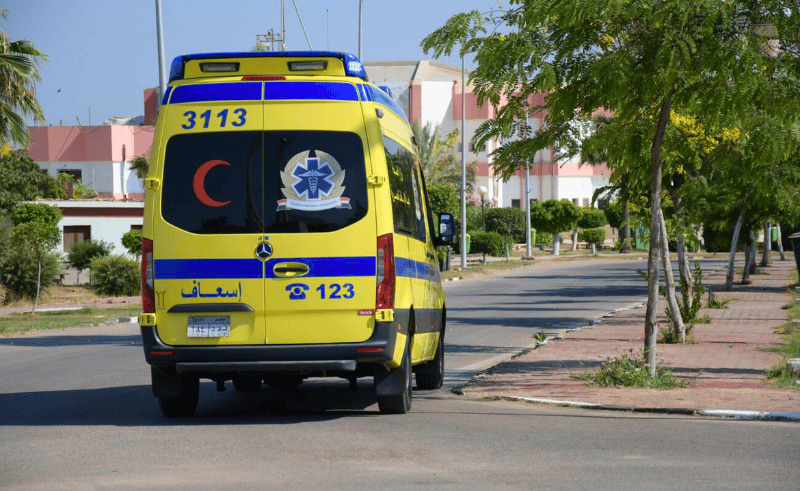
The Egyptian Ambulance Authority provides an average of around 2 million ambulance services annually, according to figures presented during a review of the authority's operations.
The authority receives more than 1.4 million emergency calls each year, in addition to roughly 860,000 non-emergency reports. Citizen satisfaction with the service currently stands at 86%, according to authority head Dr Amr Rashid.
For around 85% of cases, average response times on highways range between eight and 11 minutes. The authority said it is working towards a maximum response time of eight minutes for emergency incidents in line with international standards.
Coverage has expanded through 367 ambulance units established under the Haya Karima initiative, alongside a network of 1,717 ambulance standby points across the country. A further 440 projects involving new facilities,
upgrades and station improvements have been carried out using the authority's own budget. The authority has also invested in staff training through programmes offered by institutions accredited by the Central Agency for Organisation and Administration and international organisations.
Training initiatives have included programmes in Japan and Germany, as well as cooperation with Oman, Saudi Arabia, Libya and Zambia to exchange expertise.
Digital upgrades have included a revamped call centre, caller location technology, real-time ambulance dispatch systems and the Isafni (EgyAmbulance) application, which enables users to request non-emergency medical transport.
Electronic payment systems, integration with the National Emergency and Public Safety Network and expanded e-services have also been introduced.
The figures were presented during a meeting with Prime Minister Mostafa Madbouly, during which plans to further improve service efficiency and response capabilities were discussed.