






Locally Produced Insulin Now Exceeds Egypt's Demand
Health officials say domestic production has created a surplus while reducing reliance on imported insulin.

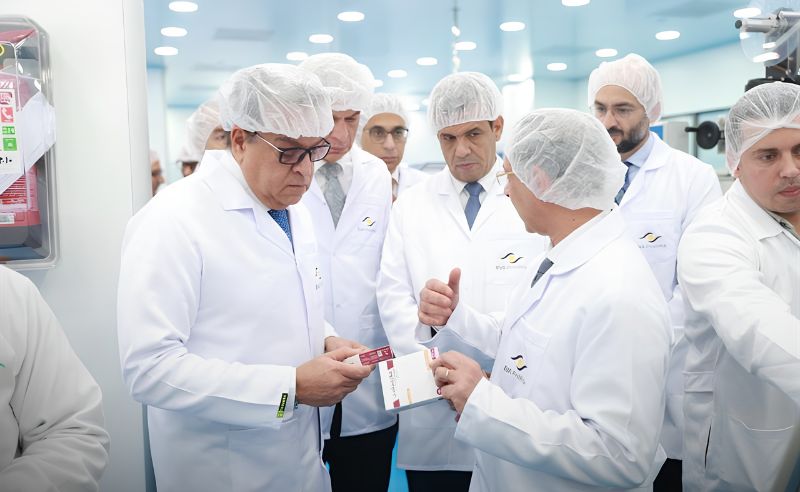
Egypt's locally produced insulin now exceeds domestic demand, creating a surplus while reducing the country's reliance on imports, according to Health Minister Khaled Abdel-Ghaffar.
Speaking in televised remarks, Abdel-Ghaffar said insulin manufactured in Egypt uses the same globally sourced raw materials as imported products and meets approved quality standards. He added that expanding the use of locally manufactured medicines could help reduce pressure on foreign-currency resources while supporting the growth of Egypt's pharmaceutical industry.
The minister also stressed that generic medicines contain the same active ingredients as their originator counterparts despite being sold under different brand names. He said choosing imported medicines when approved Egyptian alternatives are available places unnecessary pressure on foreign-currency reserves, while greater reliance on domestic products helps secure medicine supplies and supports manufacturers in maintaining production of essential drugs.
The remarks come as Egypt continues efforts to localise pharmaceutical manufacturing. According to Abdel-Ghaffar, Egyptian factories now produce 90% to 91% of the medicine packages consumed domestically, although the industry still relies heavily on imported active pharmaceutical ingredients and packaging materials.
Egypt expanded its insulin production capacity in December 2024 with the launch of its first locally manufactured long-acting insulin glargine, produced through a partnership between EVA Pharma and US pharmaceutical company Eli Lilly, which supplies the active ingredient and production technology. Officials have said the facility could eventually produce up to 100 million insulin vials.