





How Azza Fahmy Resurrected Umm Kulthum’s Jewelry in Biopic El Sett
Azza Fahmy resurrects Umm Kulthum’s jewels for film El Sett, turning archival research into cinematic storytelling.

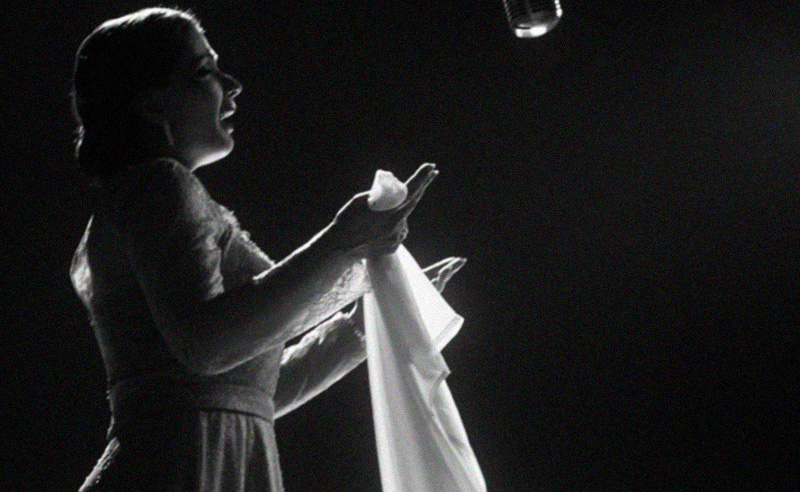
In El Sett, the highly anticipated film honoring Umm Kulthum’s life, jewellery is far more than an accessory, it becomes a visual language that anchors us in the era and draws us closer to Egypt’s most enduring cultural icon.
Shaping that language is Azza Fahmy Jewellery, a legacy house synonymous with contemporary design rooted in rich Egyptian history. Having collaborated on numerous films, their process always begins with deep archival research, resulting in pieces that transcend costume and become a storytelling force of their own on screen.
“The historical shift is at the heart of the story,” Amina Ghali, Head Designer explains. They traced Umm Kulthum’s journey from her early life in the countryside, where her jewellery was fallahy and rooted in traditional Egyptian goldsmithing, to her move to Cairo, where her style became more cosmopolitan, shaped by Art Deco and Art Nouveau. That evolution – from village stages to royal courts and global fame – became a guiding thread for every piece.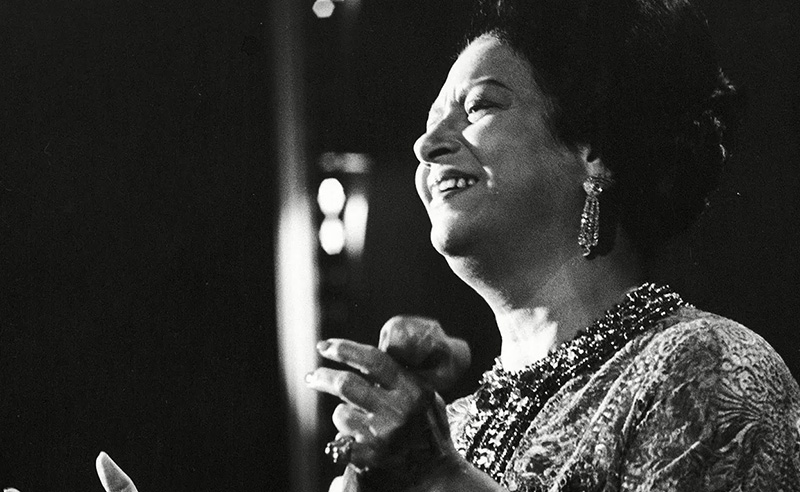 Sometimes the goal was a faithful recreation; other times it was a subtle reinterpretation.
For the era-inspired designs that weren’t direct recreations, the challenge was to not only be true to their era, but read clearly on screen. “Even if the pieces were era-relevant, they still needed to appear bigger and more expressive,” she notes.
One of the most demanding pieces was the Queen Nazli necklace, inspired by the iconic design the queen mother wore at Princess Fawzia’s wedding. “From the very first sketch, we knew it had to feel truly worthy of a Queen mother,” she recalls. Sourcing stones became a critical turning point: the team searched for zircon in extremely specific sizes and cuts, so that on camera they would read as natural diamonds. At the same time, the production schedule meant working within a very tight timeframe.
There was also the question of movement and comfort. The necklace was engineered with just the right flexibility so it would sit elegantly on actress Nelly Karim’s neck and allow her to move naturally with her performance. “Seeing it on screen, moving, catching the light, and carrying that sense of royal grandeur, felt like watching history come alive,” Ghali reflects. “It was exactly the kind of piece Queen Nazli herself would have worn.”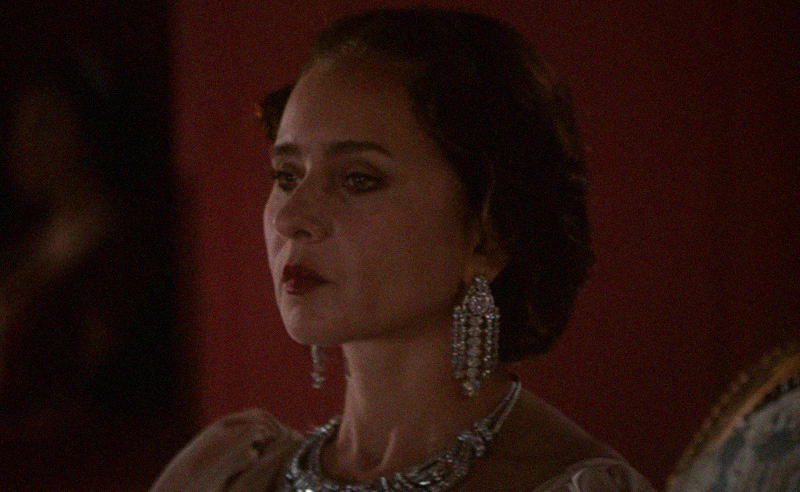 To deepen the audience’s connection to this world, Azza Fahmy Jewellery hosted an immersive weekend experience in Cairo. It began with a private screening of El Sett and reception at the historic Cairo Marriott’s Eugénie venue, where guests were surrounded by the jewellery crafted for the film.
The following day unfolded as a cultural journey: a tour of the Azza Fahmy workshop, a guided visit to the Grand Egyptian Museum, and a dinner at Khufu’s. The idea was to let guests feel the same layers of history that have shaped Umm Kulthum.
A collaboration with TAM Gallery brought in seven emerging artists to interpret Umm Kulthum’s legacy alongside the jewellery to show how “Umm Kulthum continues to inspire new generations, even 50 years after her passing,” the team shares. In the creative process, they discussed archives, Umm Kulthum’s influence on poetry and culture. “It wasn’t just inspiration directly from Umm Kulthum,” she adds, “it was Umm Kulthum through their eyes, through our passion and admiration for her,” transformed again in paint, line, and form.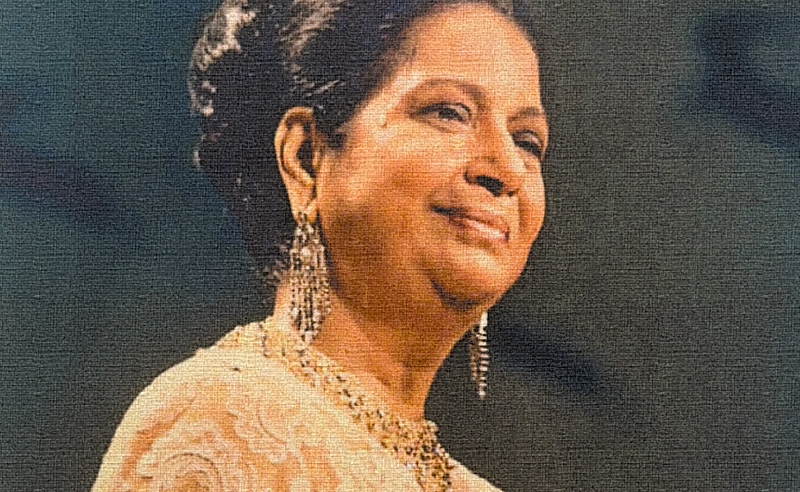 The experience was designed as a journey through the past, present, and future. The Eugénie venue itself evoked a grand, timeless atmosphere. Food echoed what might once have been served to her. There were archival photographs by Farouk Ibrahim, a recreation of her bedroom, jewellery and costumes displayed as they appeared on set, even archival pieces contributed by George Sara, who once created handbags for Umm Kulthum. “For the past 20 years, she has inspired our work, so showcasing pieces from our own archive felt like a natural continuation of her legacy,” they add.
What stayed with the team most were the reactions. “People were really paying attention, pointing out the pieces and appreciating how much they contributed to each character’s presence,” Ghali recalls. Jewellery and costume transcended a mere background, and instead became part of the narrative itself.
- Previous Article Halfpipes Under Siege: The Skateboarding Scene in Gaza & the West Bank
- Next Article Inside Egypt’s Seven UNESCO World Heritage Sites