






Maison Saedi’s SS26 Collection Explores Identity Under Pressure
Maison Seadi’s SS26 presentation transformed the runway into a multi-sensory exploration of tension, transformation, and the emotional states that exist in between.
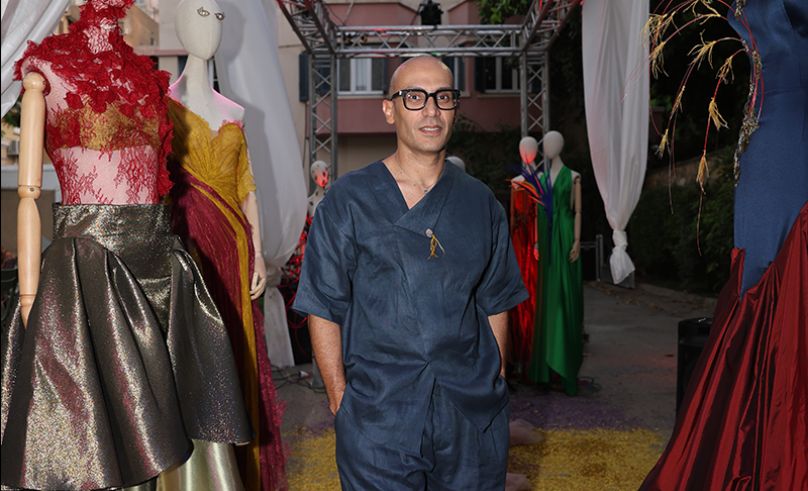
For Egypt's Ahmed Saedi, fashion design is a place where personal experiences translate into physical form. With his newest Maison Saedi’s Couture SS26 collection, titled Tensilique, Saedi responds to a question he’s recently been grappling with: how does identity change when it is placed under pressure?
Saedi describes Tensilique as “the status of what happens after tension, the state that emerges when the beliefs we have carried for years are confronted by reality, " he continues. “Each one of us has some beliefs and judgments that we make over years,” he explains. “And then when we confront the reality in life… we are questioning if we are being tested or we are just changing.” For him, the collection does not attempt to offer a clear moral answer. Instead, “I believe each person arrives at change through a different context, history, and need. This collection just brings that experience to focus.”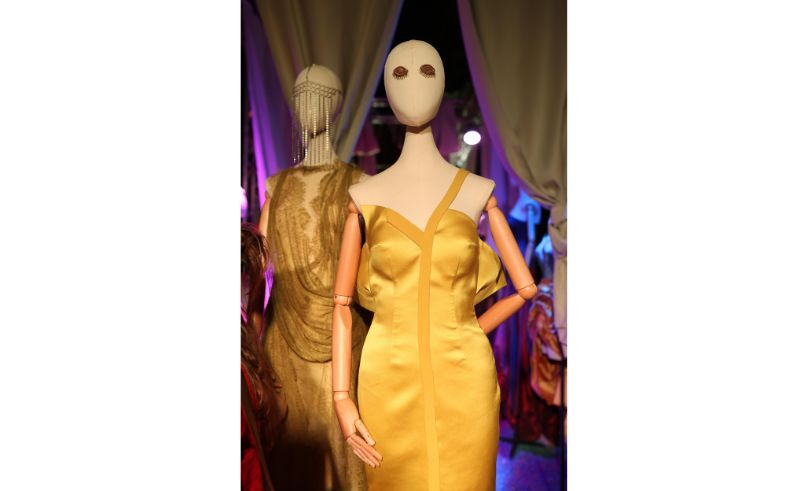 To explore that question into the collection, Saedi divides Tensilique into three phases: certainty, confrontation, and the aftermath. The first begins with the younger self: firm in its beliefs, convinced of its own correctness, looking outward with judgment. In the garments, that certainty becomes visual order. The dresses are monochromatic, with harmonious draping and a controlled sense of line. Everything appears composed, almost protected from disruption.
Then comes confrontation. The visual language shifts from calm to friction: colour blocking, dynamic lighting, sound, and installation all begin to interrupt the earlier sense of control. Saedi imagines this second phase as a room that almost pushes back at the viewer. “You feel the tension from the sound, from the lights, even from the installation of the dresses itself,” he says. “They are all confronting you.” The pieces become part of a pressure system, asking whether change is compromise, adaptation, survival, or hypocrisy.
The final phase is Tensilique itself: the result after pressure. Here, the colour blocking dissolves. “All the colors merge together,” Saedi says. The pieces become more artistic than wearable, though Saedi resists limiting couture to function. For him, a dress can operate as an art object, carrying an experience that only becomes speakable once it has been made.
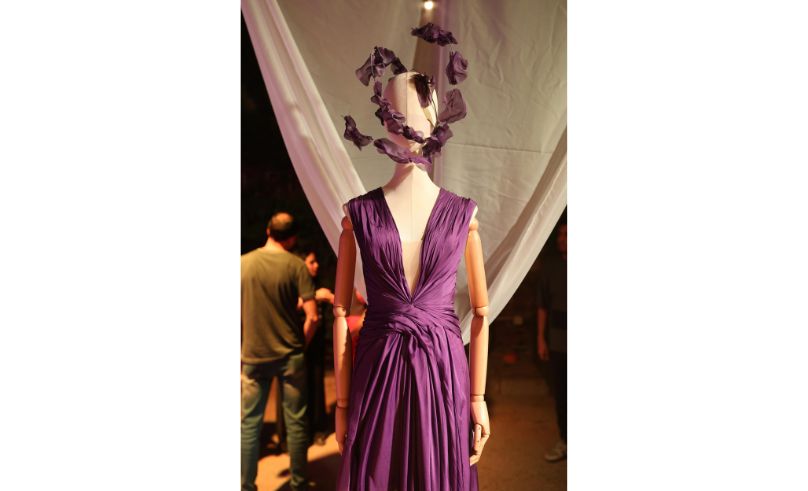 At the presentation, the collection is not staged as a conventional runway, but as an experiential exhibition. The dresses stand on mannequins, waiting to be watched rather than worn by a model. Around them, the murmur of the crowd folds into the lighting, the food, the drinks, and the music. Luka Salam performs in the background, wearing a dress inspired by Salvador Dalí’s The Persistence of Memory, a reference Saedi connects to the instability of time, memory, and belief — things that can “melt and change and not be fixed.”
For Saedi, he does not want to prescribe a specific narrative or feeling to the audience, instead he asks them “to listen to it, to taste it, to feel it and to see it,” introducing the collection toward all five senses. The more lingering question is what it feels like to stand inside someone else’s tension, and to recognise where it may overlap with your own.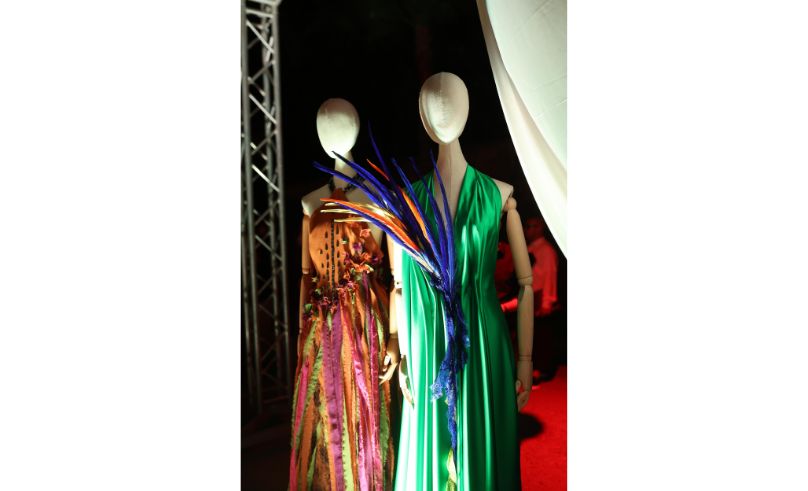
Related Articles
Trending This Week
-
-
 Oct 15, 2026
 -
-