




Algeria’s Tipasa Is Where Ancient Empires Once Met the Mediterranean
On Algeria’s coast, Tipasa unfolds in columns and sea-facing ruins like a Mediterranean treasure where Phoenician, Roman, Berber and Byzantine worlds still breathe beside endless blue sea.

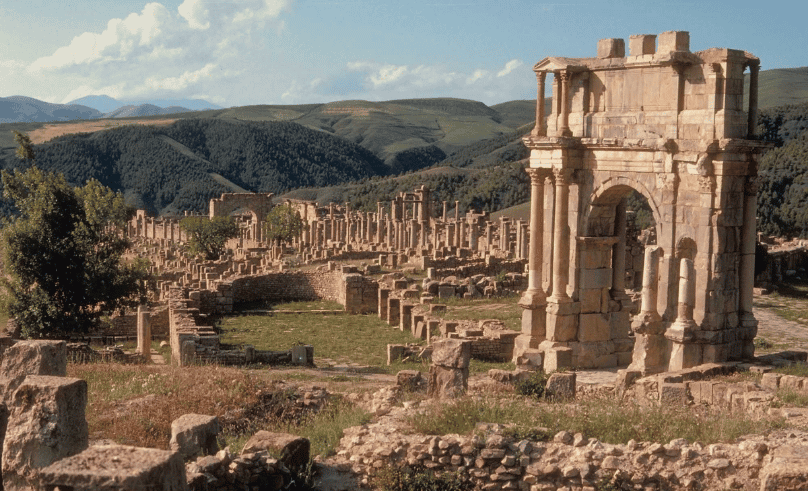
You round the bend on the Algerian coastal road and the trees pull back just enough to let the Mediterranean in, enough for you to see stone steps diving into the sea as if whoever built them forgot where land was supposed to end. Ancient ruins scatter across the headland, with columns rising through tall grass that seems intent on reclaiming them, and as you get closer, you come face-to-face with a theatre carved into a slope facing endless blue. This is a coastal city some seventy kilometres west of Algiers whose story stretches back to the 6th century BCE and discreetly spent the last two thousand years being one of the most treasured historic places the Mediterranean has ever seen: Tipasa, a UNESCO World Heritage Site that somehow still feels like a secret.
-f30edae9-9279-426e-9141-9d977d84a04a.png) Standing there, with the wind coming off the water and the ruins scattered loosely around you, it feels discovered. As if you arrived before the rest of the world fully caught on.
The site sits suspended between eras and empires that were all drawn in by the same unguarded coastline, starting with the Phoenicians who saw in this harbour exactly what every trader after them would see too, a sheltered bay too good to sail past. The Romans who came after understood the weight of grandeur, and you can feel it spread across the western park today, where the theatre still faces the sea, the forum still holds its silence, and villas and bathhouses scatter the clifftop, laid out for that Roman taste for leisure they couldn’t forego. Further along stands a 4th-century basilica, one of the largest ever built in North Africa, its columns rising in rows like a forest that lost its leaves long ago, raised later by the Byzantines who layered their own churches and fortifications over what the Romans left behind.
Standing there, with the wind coming off the water and the ruins scattered loosely around you, it feels discovered. As if you arrived before the rest of the world fully caught on.
The site sits suspended between eras and empires that were all drawn in by the same unguarded coastline, starting with the Phoenicians who saw in this harbour exactly what every trader after them would see too, a sheltered bay too good to sail past. The Romans who came after understood the weight of grandeur, and you can feel it spread across the western park today, where the theatre still faces the sea, the forum still holds its silence, and villas and bathhouses scatter the clifftop, laid out for that Roman taste for leisure they couldn’t forego. Further along stands a 4th-century basilica, one of the largest ever built in North Africa, its columns rising in rows like a forest that lost its leaves long ago, raised later by the Byzantines who layered their own churches and fortifications over what the Romans left behind.
-ce7cd9b3-9f75-4fcd-a70b-21810bc56791.png) Beneath all of it, older still, lie the burial mounds and tombs of Berber Kings who held this ground before anyone thought to write things down, their resting place rising a little out of town as the Royal Mausoleum of Mauretania rewards the climb with sweeping views across the bay worth the detour alone. Losing count of the empires folded into these few hundred metres of coastline is easy, each one buried into the next like sediment, fragments still turning up in the sand.
Beyond the ruins, Tipasa gets on with things quietly. A small fishing harbour where traders once loaded olive oil and wine bound for the rest of the empire, cafes pouring coffee strong enough to wake the dead, and restaurants plating seafood pulled from the same waters the Phoenicians once fished. Time moves at a pace more relaxed than most, perfect for an afternoon of doing nothing more ambitious than floating in that impossibly blue water—mostly free of crowds and entirely free of agenda.
Beneath all of it, older still, lie the burial mounds and tombs of Berber Kings who held this ground before anyone thought to write things down, their resting place rising a little out of town as the Royal Mausoleum of Mauretania rewards the climb with sweeping views across the bay worth the detour alone. Losing count of the empires folded into these few hundred metres of coastline is easy, each one buried into the next like sediment, fragments still turning up in the sand.
Beyond the ruins, Tipasa gets on with things quietly. A small fishing harbour where traders once loaded olive oil and wine bound for the rest of the empire, cafes pouring coffee strong enough to wake the dead, and restaurants plating seafood pulled from the same waters the Phoenicians once fished. Time moves at a pace more relaxed than most, perfect for an afternoon of doing nothing more ambitious than floating in that impossibly blue water—mostly free of crowds and entirely free of agenda.
-3ee4177d-a1aa-44f6-9816-c575596378bc.png) Spring and autumn sit most comfortably for wandering an exposed coastal site, but summer turns Tipasa into a city that blooms with wild rosemary and thyme thick in the heat. It's the season Camus himself loved best, when the sea and the stones and the sun all seem to conspire toward something so close to joy, even if it means trading comfort for crowds and a punishing midday sun that sends most visitors looking for shade by noon.
The ruins themselves keep an easy, sun-governed schedule, running from the early hours until dusk swallows the columns; winter trims the hours a little and the warmer months stretch them out. Getting in costs next to nothing, just a few hundred Algerian dinars for foreign visitors.
Spring and autumn sit most comfortably for wandering an exposed coastal site, but summer turns Tipasa into a city that blooms with wild rosemary and thyme thick in the heat. It's the season Camus himself loved best, when the sea and the stones and the sun all seem to conspire toward something so close to joy, even if it means trading comfort for crowds and a punishing midday sun that sends most visitors looking for shade by noon.
The ruins themselves keep an easy, sun-governed schedule, running from the early hours until dusk swallows the columns; winter trims the hours a little and the warmer months stretch them out. Getting in costs next to nothing, just a few hundred Algerian dinars for foreign visitors.
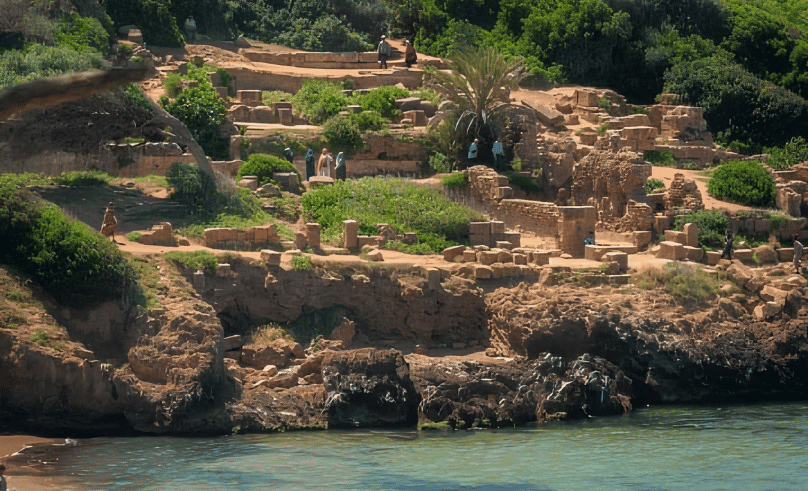 After days of exploring you run out of ruins and the headland gives way to open sea, leaving you standing where the Byzantines once stood. Most people leave Algiers chasing the Sahara or the souqs, but Tipasa stays exactly where it's always been, a few columns and a coastline that never asked to be famous, content to let you stumble onto it instead.
Related Articles
Trending This Week
-
-
 Oct 15, 2026
 -

-