




Shisr: The Real Ruins Behind Oman’s ‘Atlantis of the Sands’
On the edge of Oman’s Empty Quarter, Shisr mixes frankincense, desert isolation and one very persistent lost-city legend.

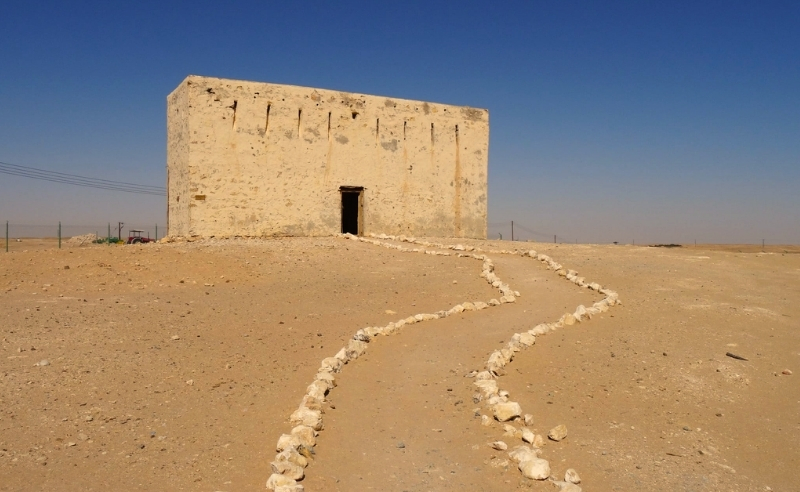
Ubar occupies that hazy territory between trade history, desert legend and outright myth. Often called the “Atlantis of the Sands”, it is remembered as a wealthy settlement somewhere in southern Arabia, tied to the movement of frankincense across the desert and later transformed in the telling into a lost city of extraordinary riches.
Then, according to the legend, the desert took it back. Ubar disappeared beneath the sands, leaving behind little more than stories, scattered references and centuries of speculation over whether the place had ever existed at all, and if it had, where its remains might still be hiding.
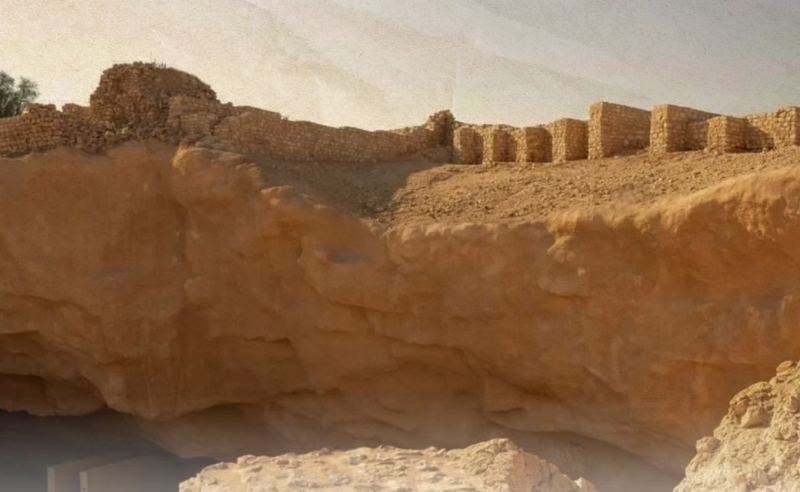
That is where Shisr enters the story. The archaeological site in Oman’s Dhofar Governorate, on the northern edge of the Rub' al Khali, has often been identified with Ubar. What survives there is less a buried metropolis than the remains of a fortified settlement and caravan stop, but the association has been strong enough to make Shisr one of the main places linked to the legend. Parts of its walls and towers are still standing, while a section of the settlement appears to have collapsed into a large cavity beneath the site.
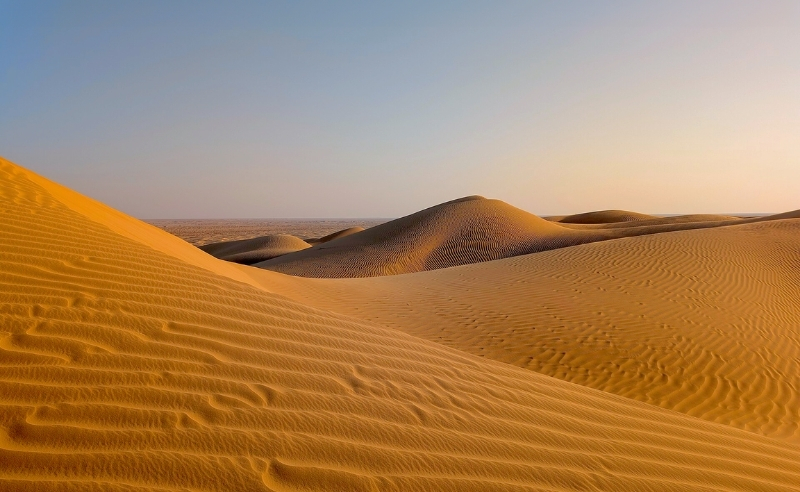 Shisr's location was its greatest asset - which is to say, it had water, an enviable resource given its location. The settlement grew around a water source and served as a stopping point for caravans crossing the interior of southern Arabia. Dhofar was an important source of frankincense, and Shisr formed part of the network that moved the valuable resin from the region's production areas toward inland trade routes. In a landscape where water is everything, an oasis was a fairly good place to build a business, and Shisr built one that lasted.
For most visitors, Shisr is a day trip from Salalah rather than somewhere to spend the night, and the desert is not in the business of turning strangers away gently. The site is roughly 180 kilometres north of the city, which makes Salalah the obvious base. There is a wide range of accommodation there, from hotels to holiday rentals, as well as plenty of restaurants where you can eat before setting off.
Around Shisr itself, however, don't expect much in the way of tourist infrastructure. Bring enough water, food and fuel for the journey; the desert is not especially interested in catering to last-minute plans.
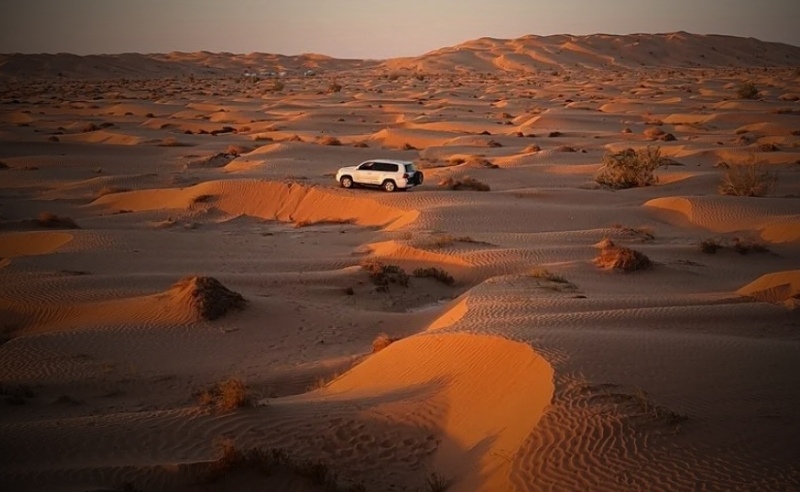
The drive takes you progressively farther into Dhofar's interior and into increasingly remote desert terrain, the kind that makes phone signal feel like a rumour. A 4WD is the sensible option, particularly if you plan to explore beyond the main road or add another desert stop to the trip.
 Travellers who would rather leave the driving to someone else can arrange excursions from Salalah. Those going independently should download their maps beforehand and keep an eye on the fuel gauge. This is not the place to discover that "we're probably fine" was an overly optimistic assessment.
The site became internationally known in the 1990s, when satellite imagery helped researchers identify ancient caravan routes converging around Shisr, which is either a triumph of modern technology or proof that the sands were dropping hints the whole time.
The discovery revived interest in Ubar, which explorers had been searching for since British explorer Bertram Thomas crossed the Rub' al Khali in the early 1930s.
 The connection between Shisr, Ubar and another location called Iram remains uncertain. Iram is mentioned in the Qur'an in connection with the ancient people of ʿĀd, while Ubar belongs to a separate tradition surrounding a lost settlement or region in southern Arabia. Neither has been definitively identified with the ruins at Shisr.
That uncertainty is part of the appeal, but it doesn't need to define the visit. Shisr is a real archaeological site in a remarkably remote setting, and its relatively small ruins make it an easy stop to work into a wider Dhofar road trip.
Pair it with other sites connected to the region's frankincense trade, stock up in Salalah, and head into the desert knowing that the place you're looking for may be a little less lost than advertised, even if it is still doing its best to keep you guessing.