




Egyptian Artist Norhan Hawala Chases Human Connection in Pavements
“The old sidewalks are inconvenient, yes,” Hawala tells us, “but they reflect the lives of the people who inhabit them."

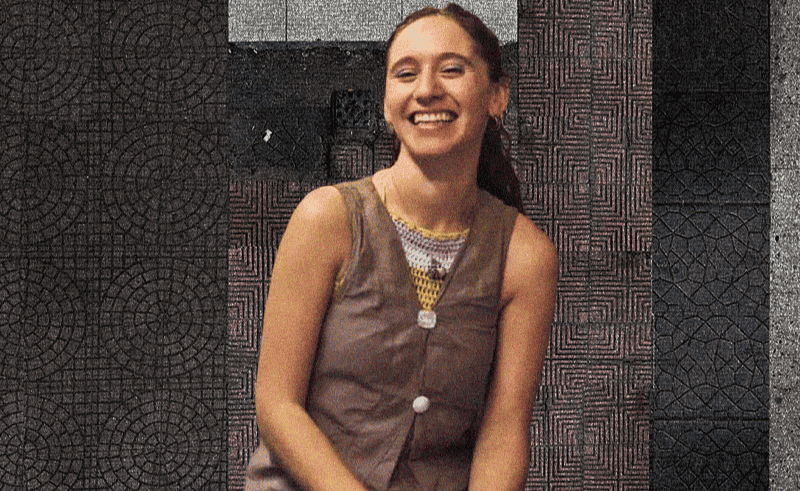
In the eyes of many, Cairo is not considered a walkable city. There are gaps on the sidewalk, a problematic lack of ramps in the street, and potholes that make it impossible to walk in a straight line. Even more disorienting is the fact that these tiny little broken landmarks change with time; potholes get filled, bits of sidewalk break off, and random elements get added onto the street. In Egypt, the street is shaped by an ongoing conversation between user and space - one that pans out both generatively and degeneratively for either end. This interaction has fascinated Egyptian multidisciplinary artist Norhan Hawala for years.
Hawala’s work is concerned with how human need fills the gaps on our sidewalks - literally. How makeshift ramps are put in place when people in the neighbourhood notice that someone needs them, how missing tiles are filled in with DIY concrete jobs or other tiling, and, what started it all, how people block out parking spaces - with broken chairs, dead plants and plastic pots filled with cement.
What started as casual documentation on her phone grew into a deeper reflection on how communities negotiate neglect. She observed ramps built by residents for elderly neighbors, tiles patched with mismatched concrete, and mosaics of broken pavement that told stories of adaptation. “I'm very interested in how people interact with public space," Hawala tells Cairo Scene, "In this case, it's very clear that the fixing being done to gaps in the sidewalk is independent, done using bathroom and kitchen tiles. People fill the gaps when the municipality doesn't." Hawala finds this embodied community in neighbourhoods like Downtown Cairo, Maadi, Dokki, but not in new urban communities like New Cairo or Sheikh Zayed. “The old sidewalks are inconvenient, yes,” she admits, “but they reflect the lives of the people who inhabit them. The new ones are orchestrated — they serve an impression, not reality.”
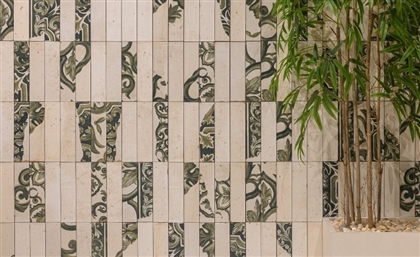
Hawala translated these observations into sculptural mosaics, casting tiles and coloring them to resemble the patched sidewalks of Cairo. She deliberately kept them imperfect — painted with cement tones, sand textures, and scuffed surfaces — so they would echo the lived reality of the streets. Exhibited first at the Roznama competition in 2015, and later at Mashrabia Gallery in the 'All My Favorite Things' exhibition, the works were mounted on walls rather than floors. “We walk over sidewalks without noticing them,” she says. “I wanted people to stop, admire, and observe — to see them as containers of memory and time.”
A few days after my conversation with Hawala, I found myself stopped on the sidewalk at the height of the Downtown Cairo rush hour, observing the placement of bathroom tiles on the sidewalk and the placement of cigarette butts around them. It felt like belonging to something bigger than myself.