





EEA’s Arab Entrepreneur Award is About More Than Finding a Winner
Ahead of the December 4th ceremony of Egypt's Entrepreneur Awards, the first regional category signals a bigger play for the future of the awards.


A business scaling in Saudi Arabia operates in a different market from one growing out of Jordan or Tunisia, with its own investment landscape, customer base and routes to expansion. Yet founders across these markets face many of the same questions about how to grow, attract capital and build businesses that last.
Egypt’s Entrepreneur Awards (EEA) is opening up that conversation with its first Arab Entrepreneur of the Year Award, extending its recognition beyond Egypt for the first time. The addition marks a change in the scope of an awards platform that has spent five editions recognising Egyptian entrepreneurs, bringing businesses from across the Arab world into the same competition.
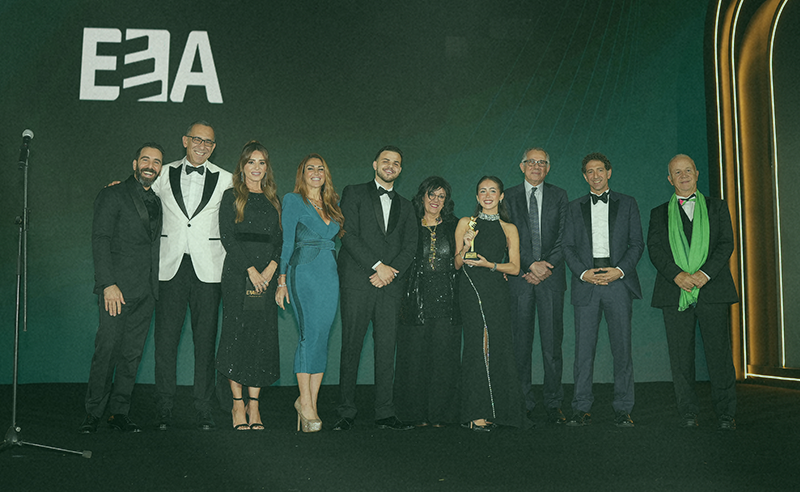
Applications have now closed for EEA’s sixth edition, with shortlisting and judging ahead of the December 4th ceremony at the Grand Egyptian Museum. This year’s theme, 'Collective Momentum', gives the new category a wider context: how connections between entrepreneurs, investors and business leaders might help businesses grow beyond the markets in which they began.
The Arab Entrepreneur of the Year Award is open to businesses with at least one Arab founder, legally registered and operating in an Arab country. They must have been operational for at least two years but fewer than ten, with Egyptian founders excluded from this particular category.
The criteria go beyond geography and age. EEA is looking for businesses that have scaled, made a measurable impact in their markets and demonstrated regional or international growth. The emphasis is on what founders have built and how far their businesses have progressed, rather than on a particular sector or business model.
That distinction matters for an award spanning multiple markets. A company’s performance cannot be separated entirely from the conditions in which it operates, but the category is looking for evidence of growth and impact that extends beyond an idea or an early-stage venture.
The first winner will be selected by three judges whose experience spans investment, entrepreneurship support and technology businesses. Their backgrounds offer different perspectives on what it takes to build and scale a company, from securing capital and navigating an ecosystem to turning a business into a platform with a wider reach.
Dr Nabeel Koshak brings a view shaped by Saudi Arabia’s developing venture capital market. He is a board member and former founding CEO of Saudi Venture Capital (SVC), an investment company established to stimulate financing for startups and small and medium-sized enterprises, from early-stage funding through to pre-IPO. He has also co-founded Wadi Makkah, worked as an angel investor and held leadership roles in entrepreneurship education, including as founding executive dean of Prince Mohammad Bin Salman College of Business and Entrepreneurship. His experience spans both the institutions that finance businesses and the structures designed to help founders develop them.
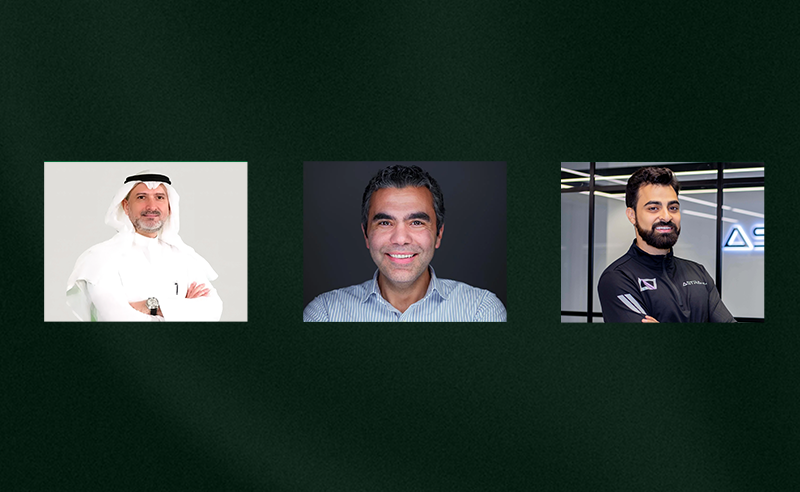
Meanwhile, Amr El Abd brings more than two decades of experience across entrepreneurship, investment and business development. As Regional Managing Director at Endeavor, he works with a global organisation supporting high-impact entrepreneurs. He previously served as founding CEO and vice chairman of Egypt Ventures, a venture capital firm focused on innovative Egyptian startups, and played a role in establishing Falak Startups as its founding chairman. Appointed Entrepreneurship Advisor to Egypt’s Prime Minister in 2024, El Abd has worked across several parts of the startup ecosystem, from early-stage support to investment and high-growth companies.
Abdallah Abu-Sheikh’s experience comes from building businesses in the technology sector. He founded Mal and co-founded Astra Tech, the UAE-based technology group that acquired BOTIM and developed it as part of a broader digital services offering. His work has spanned consumer technology, digital platforms and fintech, including businesses designed to bring multiple services into a single user experience. That background adds a perspective on scaling technology businesses and expanding their reach across markets.
Together, the three judges bring experience from different sides of the entrepreneurial equation: the capital available to founders, the networks that support them and the businesses they build. Their task is to assess entrepreneurs working across different markets against the award’s emphasis on growth, impact and regional or international expansion.
The new award gives EEA a way to put businesses from different Arab markets into the same conversation. That is relevant in a region where entrepreneurial activity is often discussed country by country, even as founders look for investment, partnerships and customers beyond their domestic markets.
A shared award cannot, on its own, create stronger cross-border business relationships. But it can make entrepreneurs and their work more visible to people who might not otherwise encounter them, bringing founders, investors and ecosystem leaders into contact through a common platform. It also creates room to compare how businesses have grown in different markets, and what their experiences might offer entrepreneurs elsewhere.
This is where the regional category meets the idea behind Collective Momentum. The point is not to suggest that every Arab market operates in the same way, or that success can be measured identically everywhere. It is to recognise that entrepreneurial ecosystems do not exist in isolation, and that greater visibility across borders can create opportunities for connections that would otherwise be missed.
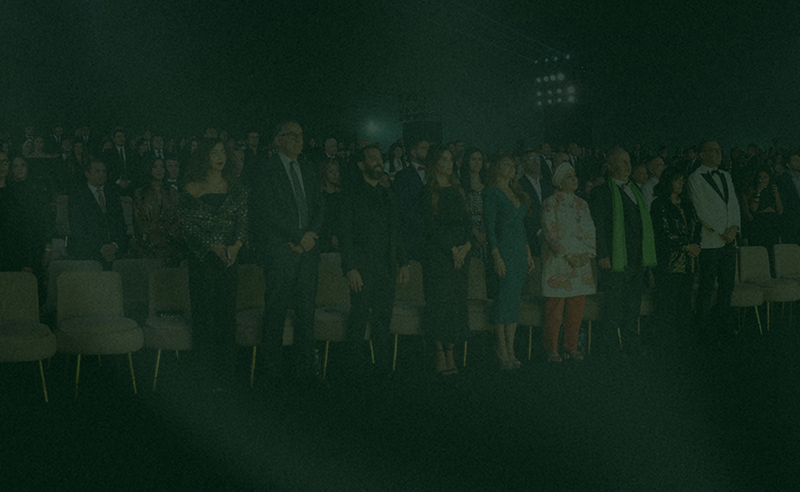
As EEA moves towards its s ceremony, the first Arab Entrepreneur of the Year will mark a new stage for the awards. Whether that expansion leads to lasting collaboration will depend on what follows the recognition itself. For now, it opens the door to a broader view of the region’s entrepreneurial achievements, not only as individual national success stories, but also as part of a wider business landscape.
- Previous Article RTA Targets 5% Traffic Congestion Cut Under New AI Strategy
- Next Article Egyptian Embassy in London Receives 3,900-Year-Old Artefact
Related Articles


Trending This Week
-
 Oct 28, 2026
-

-

-