






How Strataphy Geothermal Cooling to Manage AI's Energy Demands
The Saudi-based startup’s proprietary technology, PrimeLoop, uses geothermal cooling to replace conventional air conditioning systems.
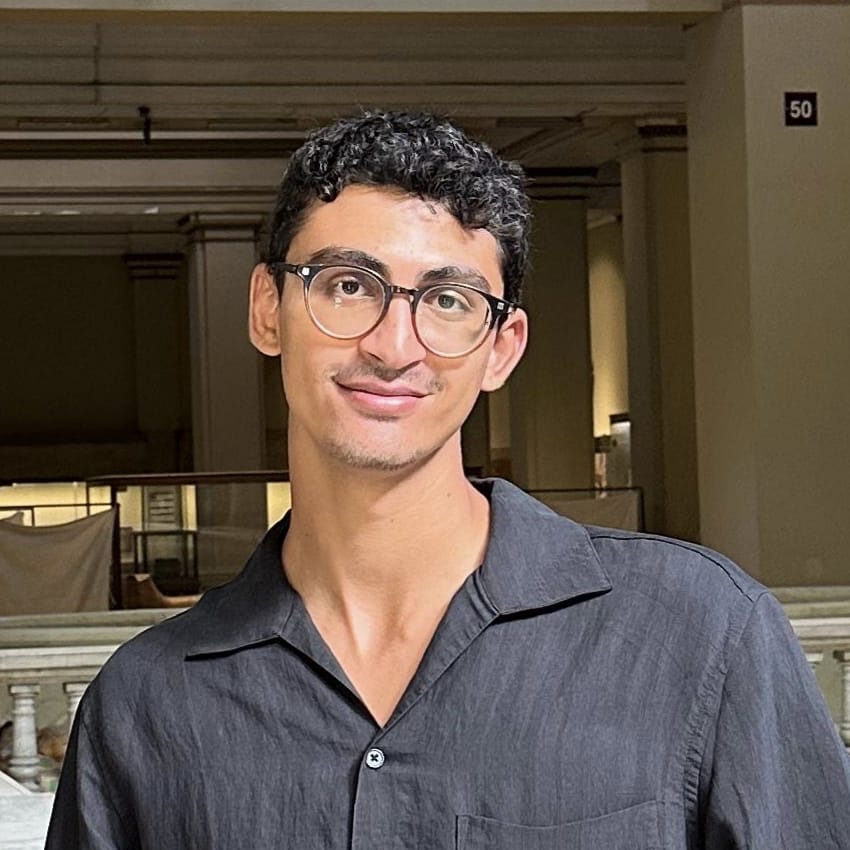

In our lifetimes, there has been little breakthrough in the realm of space cooling. Systems have become more compact and reliable, but they remain essentially the same: extracting heat from indoor spaces and pumping it to the outdoor air. But there has always been one problem: what if the outdoors is already very hot?
For at least half the year in the MENA region, this is not a hypothetical question but a lived reality. Its consequences are dearly felt in electricity costs: to pump hot air into an already hot ambient environment is a highly inefficient process, requiring much more electricity than in cooler climates. But where else can the heat go? According to one startup in Saudi Arabia, where up to 70% of electricity is consumed by cooling, the answer is deep underground.
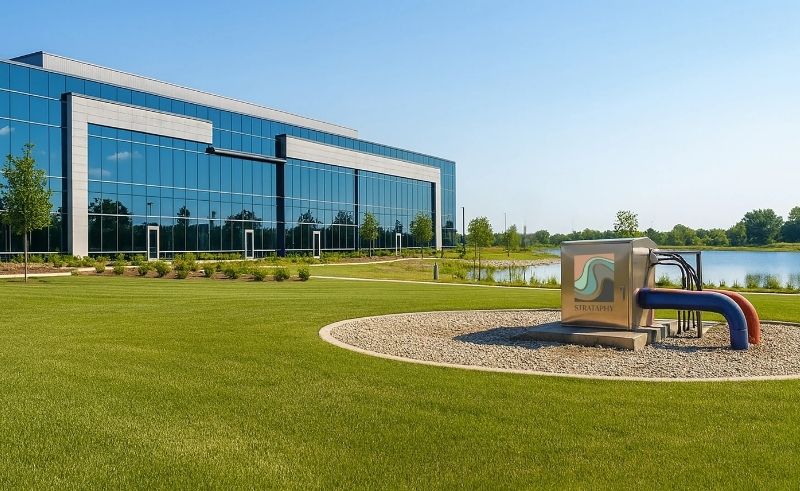
“If there’s anyone who knows heat and how to deal with heat, it’s us who live in the MENA region”, says Dr Ammar Alali, a PhD graduate from MIT and the CEO and co-founder of Dammam-based Strataphy. “So, the innovation should come from us.”
Along with COO Ahmed Alhani, the pair founded Strataphy in January 2025 to bring geothermal cooling solutions to industrial and commercial applications such as malls, factories and hospitals using their proprietary technology, PrimeLoop.
“The idea behind PrimeLoop is to reverse conventional geothermal heating systems to work for dominant cooling demand”, explains Alali, referring to places in which there’s a need for cooling throughout most of the year, such as in Saudi Arabia and much of the Middle East.
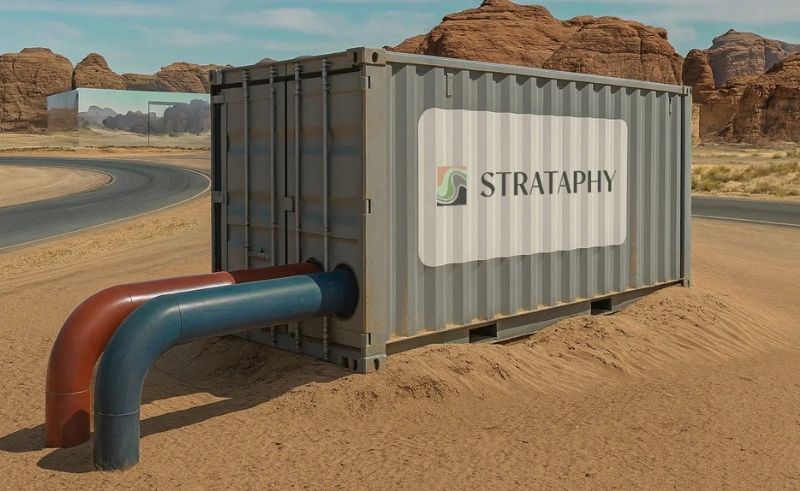
Unlike geothermal heating, which has been around for over a century but relies on tectonic hotspots for optimal use, geothermal cooling is possible in virtually any location. PrimeLoop utilises pipes dug up to 200 metres underground, where the temperature of the earth is much cooler than that of the atmosphere and the heated refrigerant circulating through the pipes. As the temperature at these depths is the same year-round, Alali compares PrimeLoop’s efficiency advantage to an AC operating as though all year were January.
“What we’re seeing with our systems is cost reductions of 40-50% on average in the Gulf”, he says, adding that for larger systems, the cost reductions can be even more.
Operating hardware this large, however, comes with its own challenges. While PrimeLoop has fewer moving parts than conventional HVAC cooling systems and thus requires less maintenance, government permits are required before drilling can commence.
“We came up with a design friendly to regulations”, explains Alali. “The government needs to know how much water our system will use, if it will add anything to the subsurface, contaminate groundwater, or expose the ground to oxidisation. So our response is that our system is a closed loop; there is no impact to the ground, no water consumed, and no fluid in the system is ever exposed to the ambient environment.”
To overcome another one of their challenges, namely the adaptation friction exhibited by potential customers - most of whom are hearing about geothermal cooling for the first time - Strataphy’s business model relies on a ‘cooling-as-a-service’ model which reduces the system’s large upfront investment for clients.
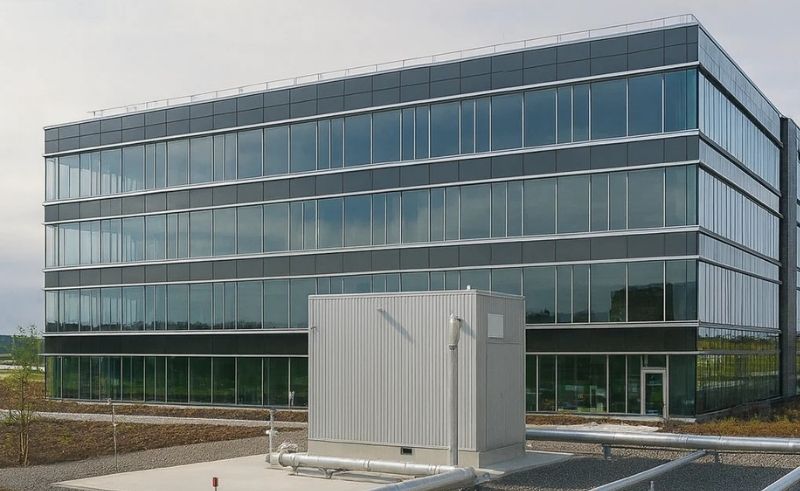
“We don’t just install the system and go home”, Alali says. “We prefer a monthly subscription-based agreement, which allows us to share a part of the CapEx [capital expenditure] with all our clients, sometimes even taking on 100% of the initial upfront cost.”
According to Alali, 90% of the cost of a cooling system is incurred throughout its lifetime rather than in its initial installation. Through their subscription model, Strataphy makes their product more attractive to hesitant customers by paying the initial cost difference between PrimeLoop and a conventional system, while ensuring that the larger pie—the 90% lifetime operational expenditure—is revenue they can capitalise on. It’s a win-win for both parties: cheaper upfront costs and monthly electricity bills for customers, and greater adoption acceleration for Strataphy.
There’s one exception, however: data centres. “What we’ve found is that, for data centres, the CapEx is actually much, much lower for PrimeLoop. Our solution becomes significantly cheaper than conventional cooling.”
Data centres already account for nearly 2% of global electricity consumption, a percentage which will rapidly rise with the acceleration of everything AI, and cooling accounts for just under half of that energy use. For Strataphy, this is their route to going global, and fast.
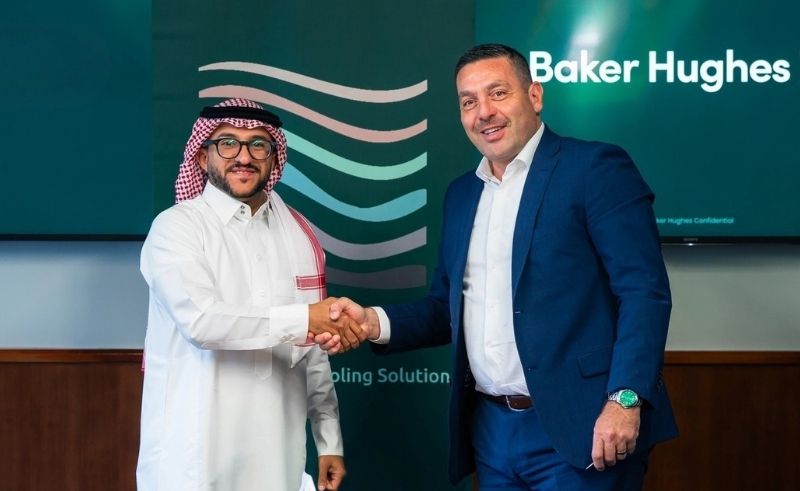
“We wouldn’t be interested in cooling a hotel in Europe, for example, because it would only need cooling three months out of the year, but a data centre even somewhere like Canada needs cooling year-round”, explains Alali. “We’re focusing on data centres because this will make PrimeLoop potentially a global technology.”
Strataphy has already received interest from clients in the United States, which has significantly more data centres than anywhere else in the world. Following a $6 million seed round in November 2025, they’ve also expanded their operations from Saudi Arabia to the UAE earlier this year, and are eyeing Oman next.
“We’ve set a target capacity of 100 thermal megawatts to install by the end of 2027, and we’re very likely to surpass that way ahead of schedule.” With their PrimeLoop technology unlocking a cheaper, more sustainable way to cool the world’s built environment, Alali’s vision for the next five years is clear: “We want to be the go-to cooling technology for all data centres.”
- Previous Article Women's Football Academies Across the MENA Region
- Next Article Riyadh University of Arts to Open Applications in May
Related Articles

Trending This Week
-
-
 Mar 30, 2026
 -
-