






Beirut Architect Turns a Sunken Schoolyard Into a Pool of Colour
Built after the Beirut Port explosion, Colour Pit turned a sunken schoolyard into a pool of colour with little more than paint, a project led by architect Etienne Bastormagi.
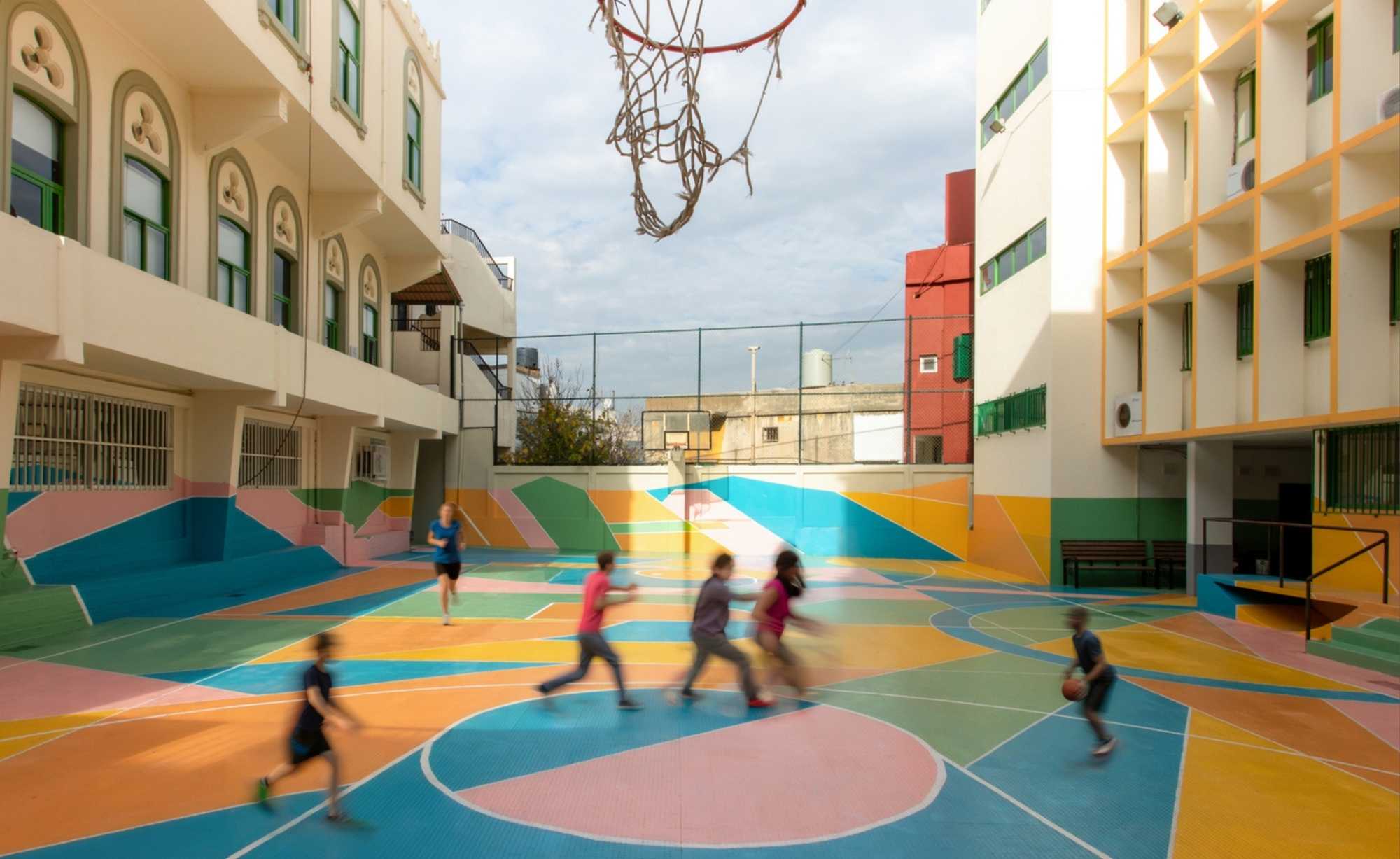
Photo By Hussein Dbouk
Beirut-based architect Etienne Bastormagi starts every project the same way: by reading the site. Before any sketch or material, he spends time with a place, paying attention to its surroundings and looking for the existing details that end up leading the design.
"I don't like generic things," he says. "Every project should be a specific response to a specific condition."
That thinking runs through his whole practice, which spans architecture, interiors, furniture and installations.
"What interests me is the story we're trying to tell," he says. "That story can become a building, a piece of furniture or even a small object."
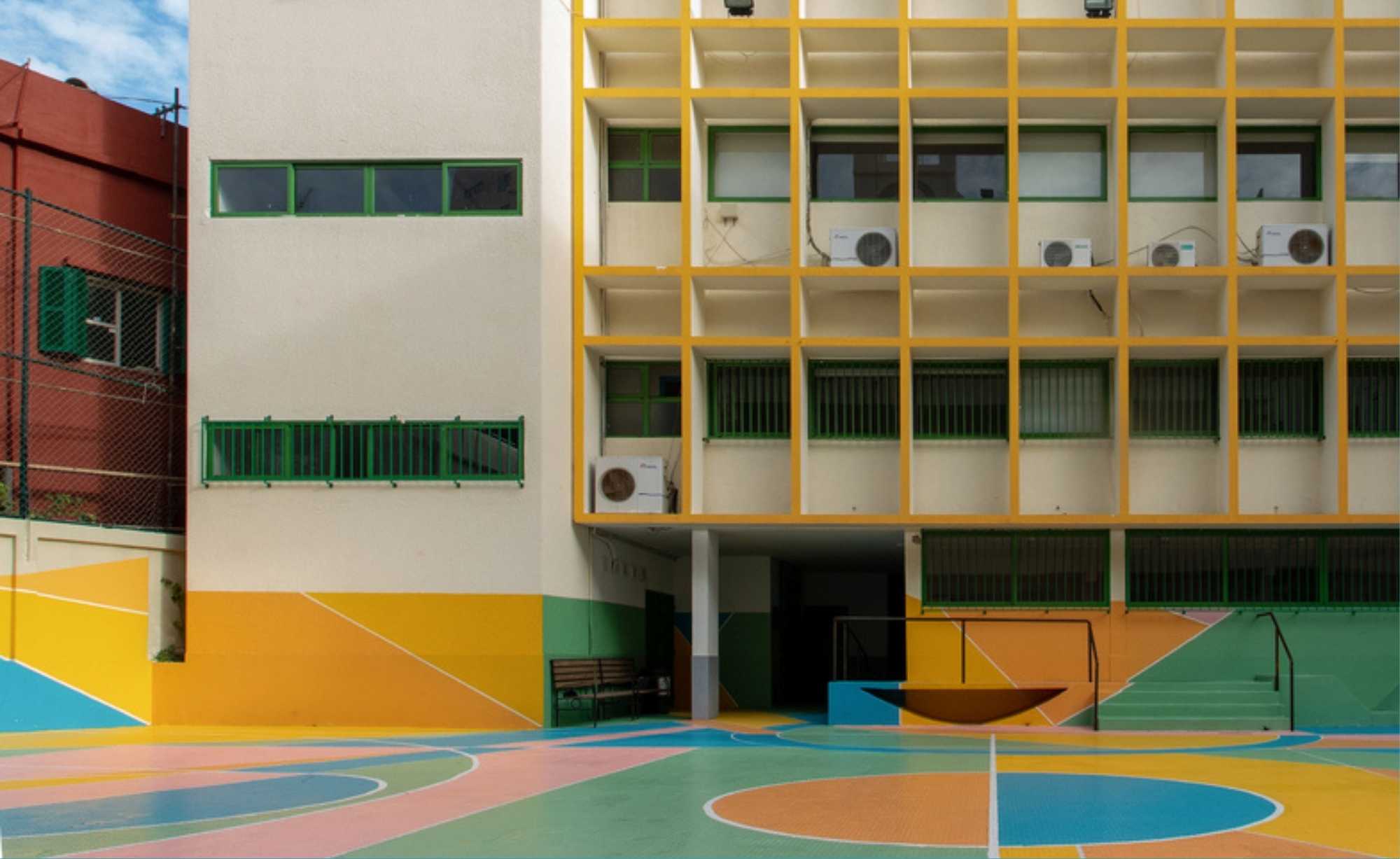
Photo By Hussein Dbouk
It traces back to his childhood in Beirut, spent above his family's metalworking factory.
Founded by his grandfather, the workshop was among the first in the region to manufacture refrigerators locally, alongside stainless steel products, and the time he spent around it left a lasting impression.
His family history also shapes how he reads space. With Armenian roots, a Lebanese upbringing and family ties stretching into Syria, belonging has always felt fluid.
"I literally don't belong anywhere," he says. "So I look for roots wherever I work."
That search runs through every project, in Beirut, Doha, Abu Dhabi, London and beyond. Each one starts by understanding what already exists before anything new goes in.
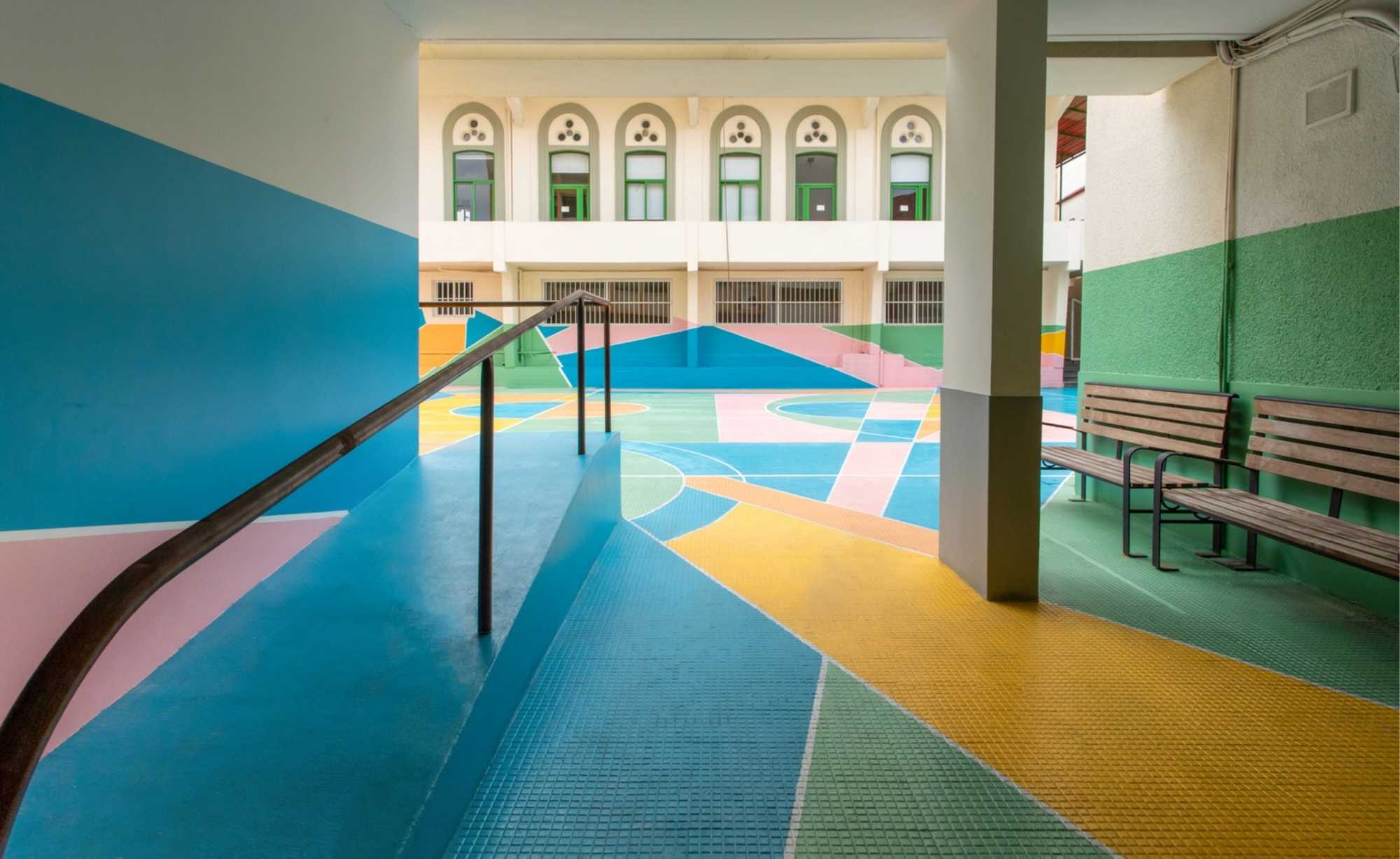
Photo By Hussein Dbouk
Grounding a design in the specific history of a place is his own way of putting down roots wherever he goes.
The clearest example is Colour Pit, a playground completed in Beirut in 2021 as part of Let's Play, an initiative Bastormagi founded with architects Sandra Richani and Nada Borgi after the Beirut Port explosion.
The team designed seven playgrounds across the city and built six. The seventh was never realised, after the initiative ran out of funding.
Let's Play grew out of a desire to answer the aftermath of the explosion through public space, at a time when Beirut was also coming out of the COVID-19 pandemic and children were preparing to return to school.
The architects first proposed a pavilion for the Nicolas Sursock Museum, but funding fell through and it was never built. They turned their attention to playgrounds inside schools instead.
The three architects worked with a larger team of designers, younger architects and interns, around 40 people in all.
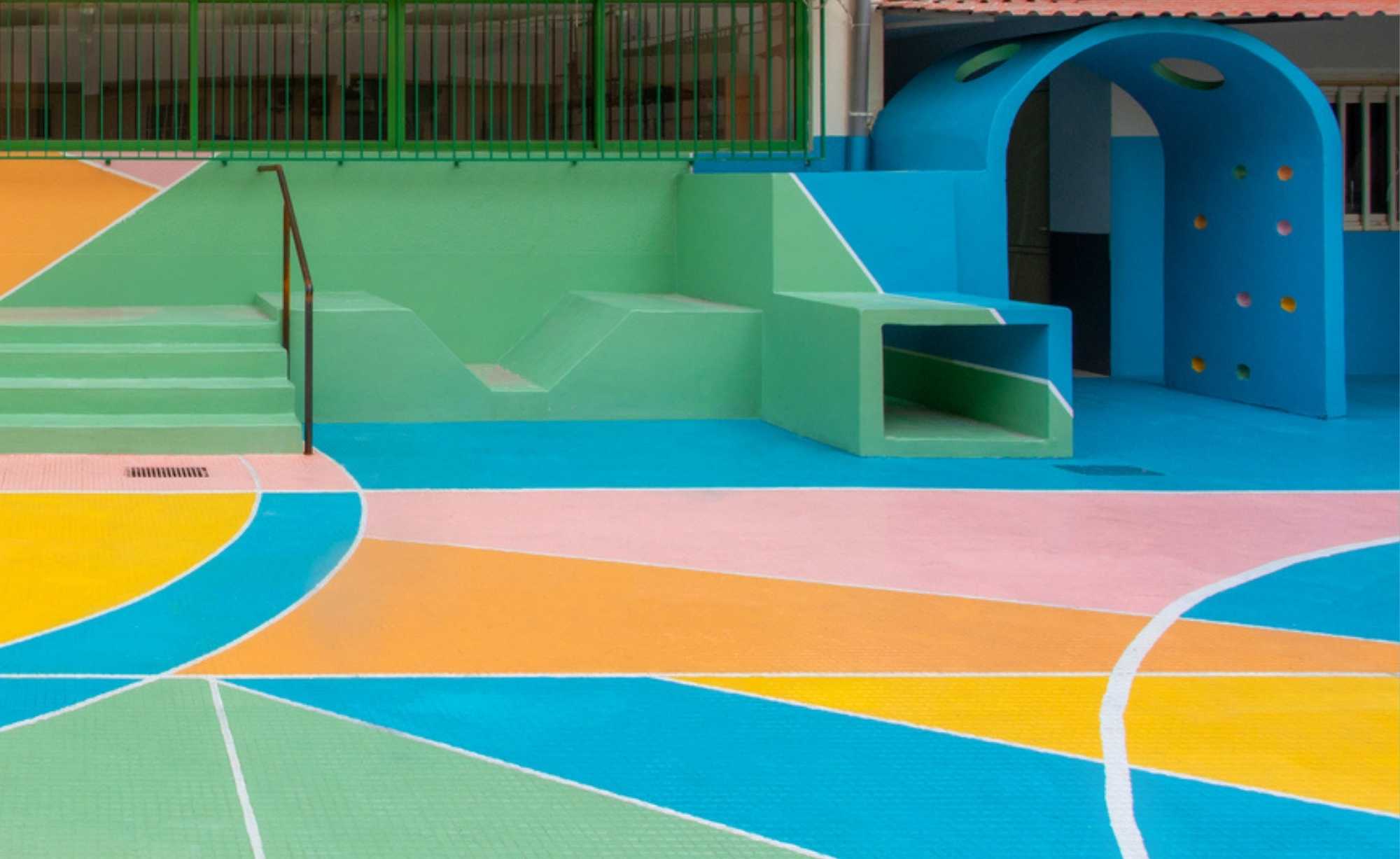
Photo By Hussein Dbouk
The Armenian Evangelical Central High School was among those hit by the explosion.
Close to the blast site, it was later reconfigured, with NGOs contributing significant funding towards the repairs. It was in this period, as the school prepared to welcome children back after the pandemic, that Colour Pit was built.
When Bastormagi first visited, the team started by paying attention to what was already there.
"The basketball court was sunken below the rest of the school," he says.
"You had to walk down steps to reach it. It almost felt like a swimming pool."
That position became the starting point for the design. The school wraps around the sunken space, its buildings overlooking the court, with a historic white building forming part of the setting.
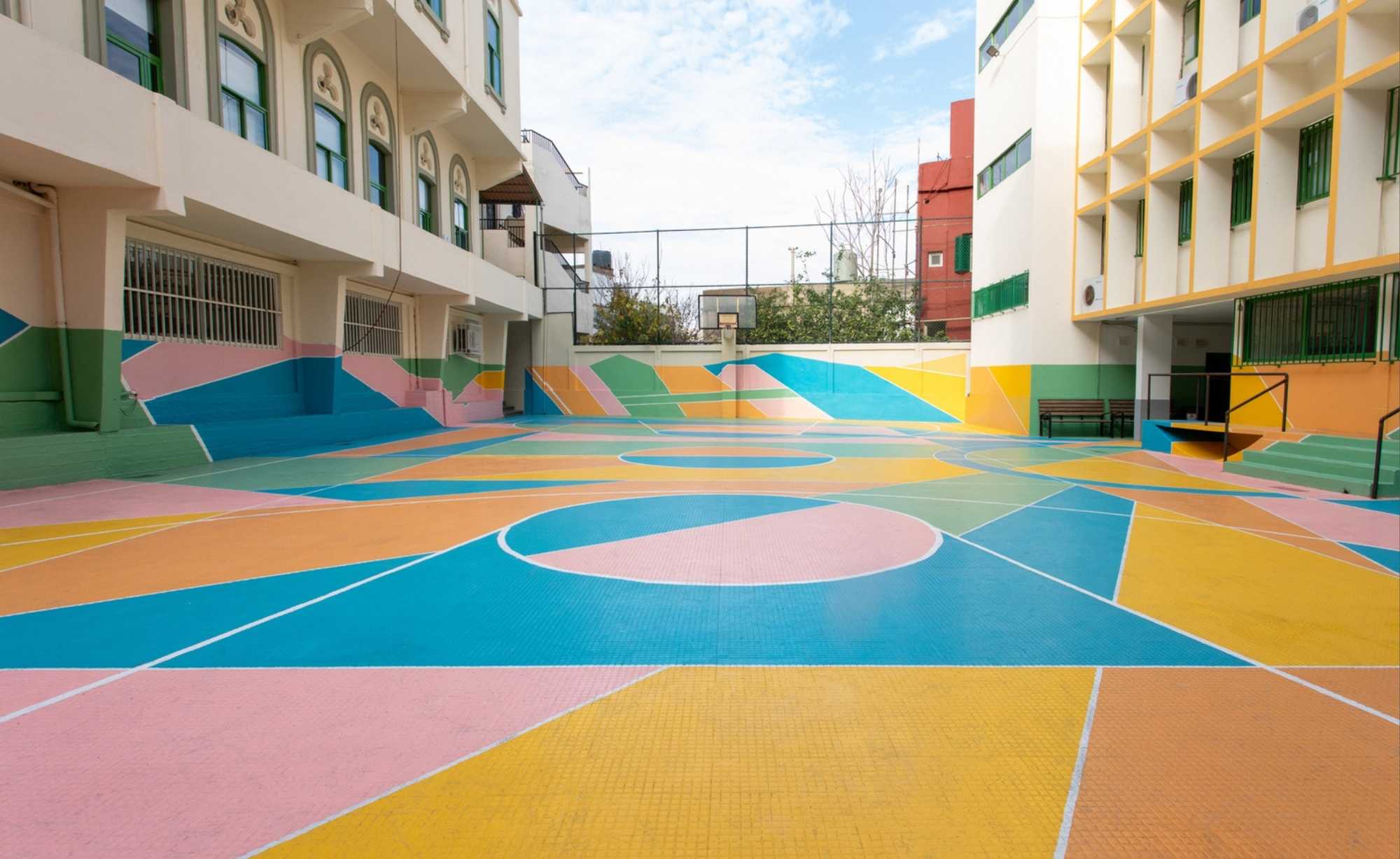
Photo By Hussein Dbouk
The team began to picture the court as a colourful pool within the school.
"Because it's a U-shaped school, you look at that playground from anywhere in the school and you see a pool of colours," Bastormagi says.
Rather than hide the sunken court, they leaned into it. Painted geometric shapes spread across the existing surface, turning it into what Bastormagi calls "a pool of colours," visible from across the campus, while the ground itself stayed largely untouched.
The colour and the forms came straight out of the site. "Sometimes it's just an understanding of a place. It's as simple as that," he says.
"Or what derives from the site, or what we've seen in the site that makes sense."
Building it took some convincing. "The funders wanted to buy plastic slides and swings," Bastormagi says.
"That would have been the easy solution to building a playground." The team had to persuade both the school and the funders to move away from simply supplying equipment.
The project was designed and built in 2021, while children were still out of school under COVID-19 restrictions. When they finally returned, they walked into a completely transformed space.
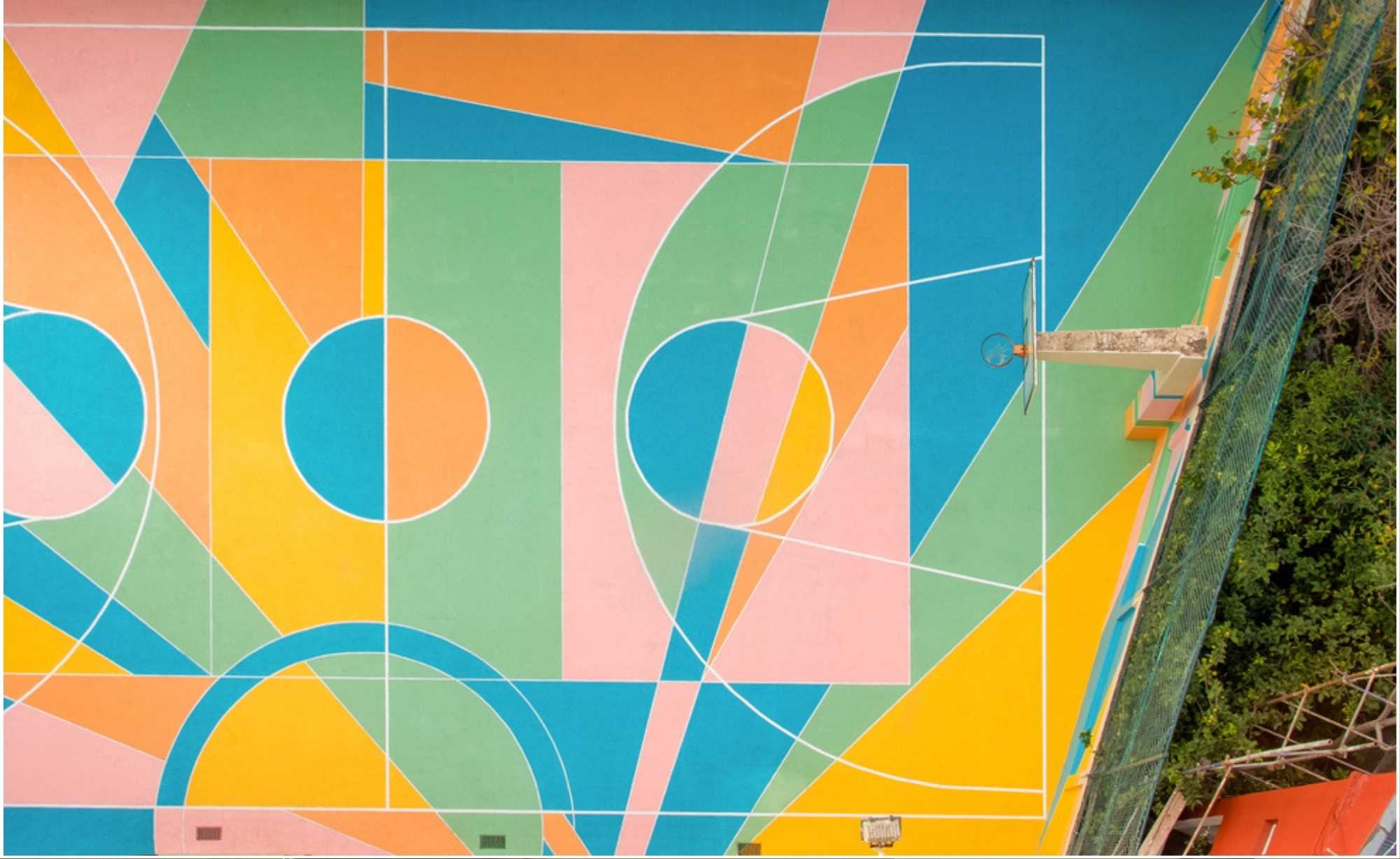
Photo By Hussein Dbouk
The school's dean later sent the team photographs of students and staff using the courtyard in ways nobody had anticipated, including evening gatherings.
Bastormagi believes the court's central position helped build a renewed sense of belonging around it.
To this day, Colour Pit remains at the heart of the school.
With little more than paint and a careful reading of the site, an ordinary basketball court became a place students kept coming back to long after the final bell.
- Previous Article SceneNoise x Amsterdam Dance Event Present CROSSFADE: Egypt
- Next Article Beekeeping Seasons Record Over 11,000 Hives in Royal Reserve
Related Articles
Trending This Week
-
 Oct 06, 2026
 -
-

-