




Saudi Arabia’s Ithra Brings Arab Design to Milan Design Week 2026
Ithra's Milan debut challenges design's Western defaults with voices, materials, and memories from across the Arab world.
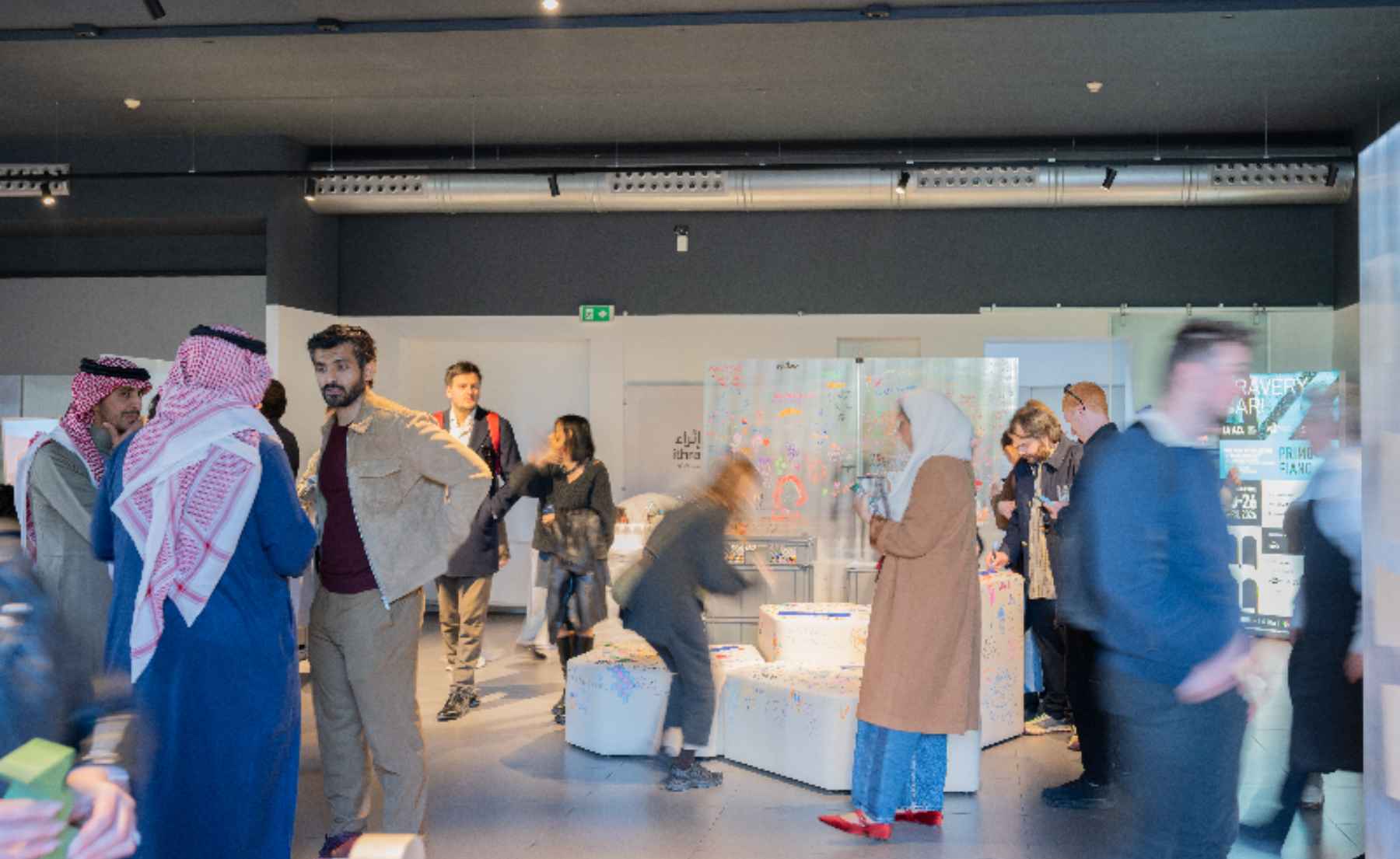
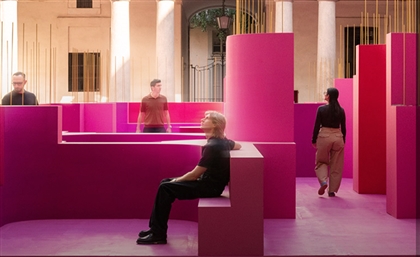
Default is Not Universal is Ithra's statement to the global design world. Shown at Milan Design Week 2026, the exhibition brings together eight designers from Bahrain, Lebanon, the UAE, Qatar, and across the MENA region - each contributing an installation that draws on local memory, material culture, and identity. Along with their displays, seven interactive installations spanning a range of topics will be exhibited throughout the week. As visitors move through these spaces, artificial intelligence will quietly map how our individual cultural backgrounds shape the way we see, feel, and respond - building a live portrait of cultural perception that will later be used to seed an entirely new installation.
Ithra, also known as The King Abdulaziz Center for World Culture was founded in 2018 as a nurturing hub for culture, creativity, community, art, and knowledge. Nourh Al-Zamil, the current Manager of Programs at Ithra, says that “Ithra’s participation in Milan Design Week; one of the most important global events in the field of design, reflects the Center’s mission to empower creative talent, strengthen cultural exchange, and support the growth of the creative economy at both regional and international levels.”
After touring Milan this week, Default is Not Universal will return to Saudi Arabia where it will be on display as part of Ithra’s very own Design Week event later in 2026.
Open Apothecary, Abdulla Buhijji Open Apothecary, Bahrain
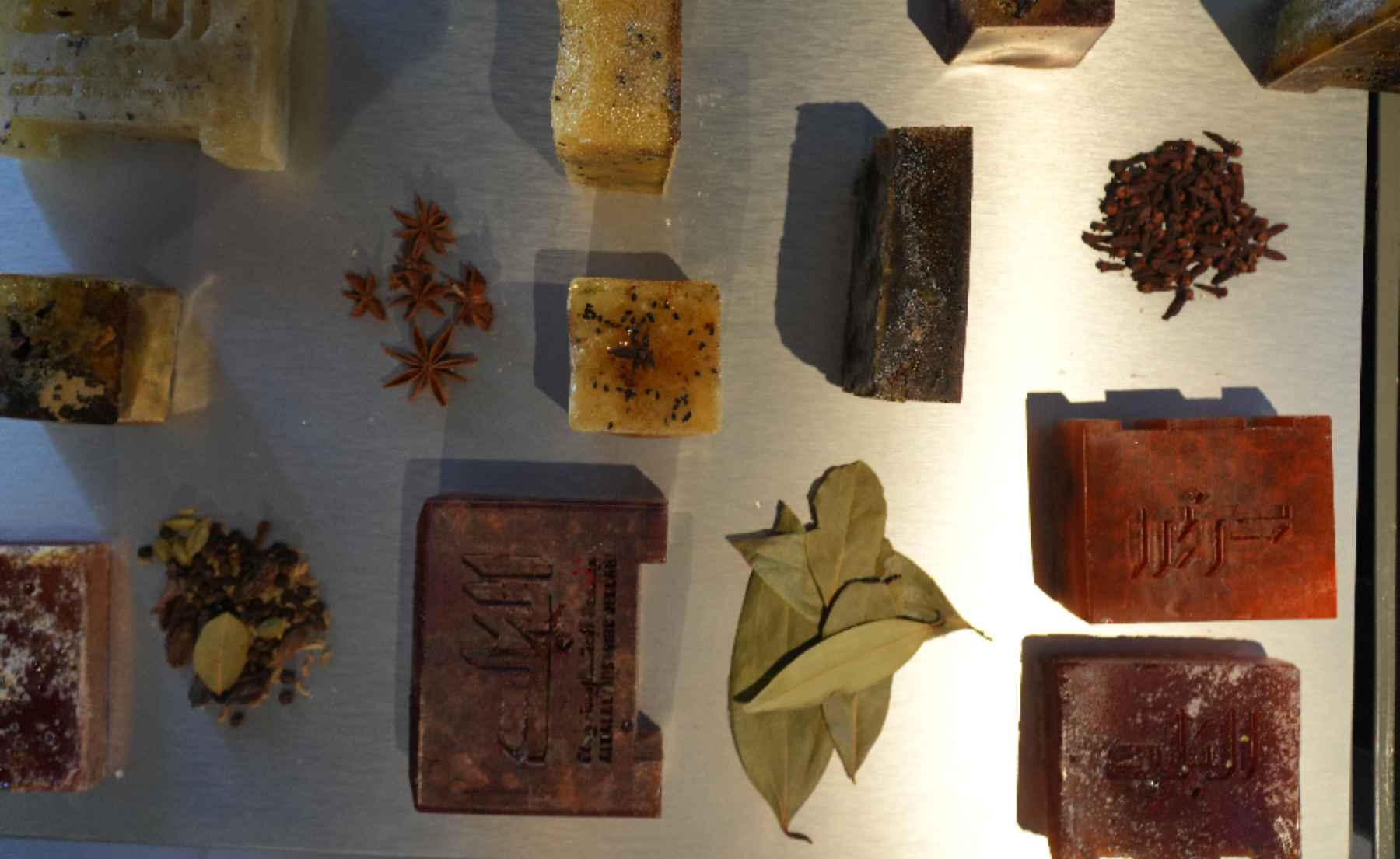
A reimagining of the medieval Islamic apothecary, where traditional herbal remedies are compressed into burnable blocks that release scent as a meditation on healing and change.
Of One, Of Many, Chafic Mekawi, UAE
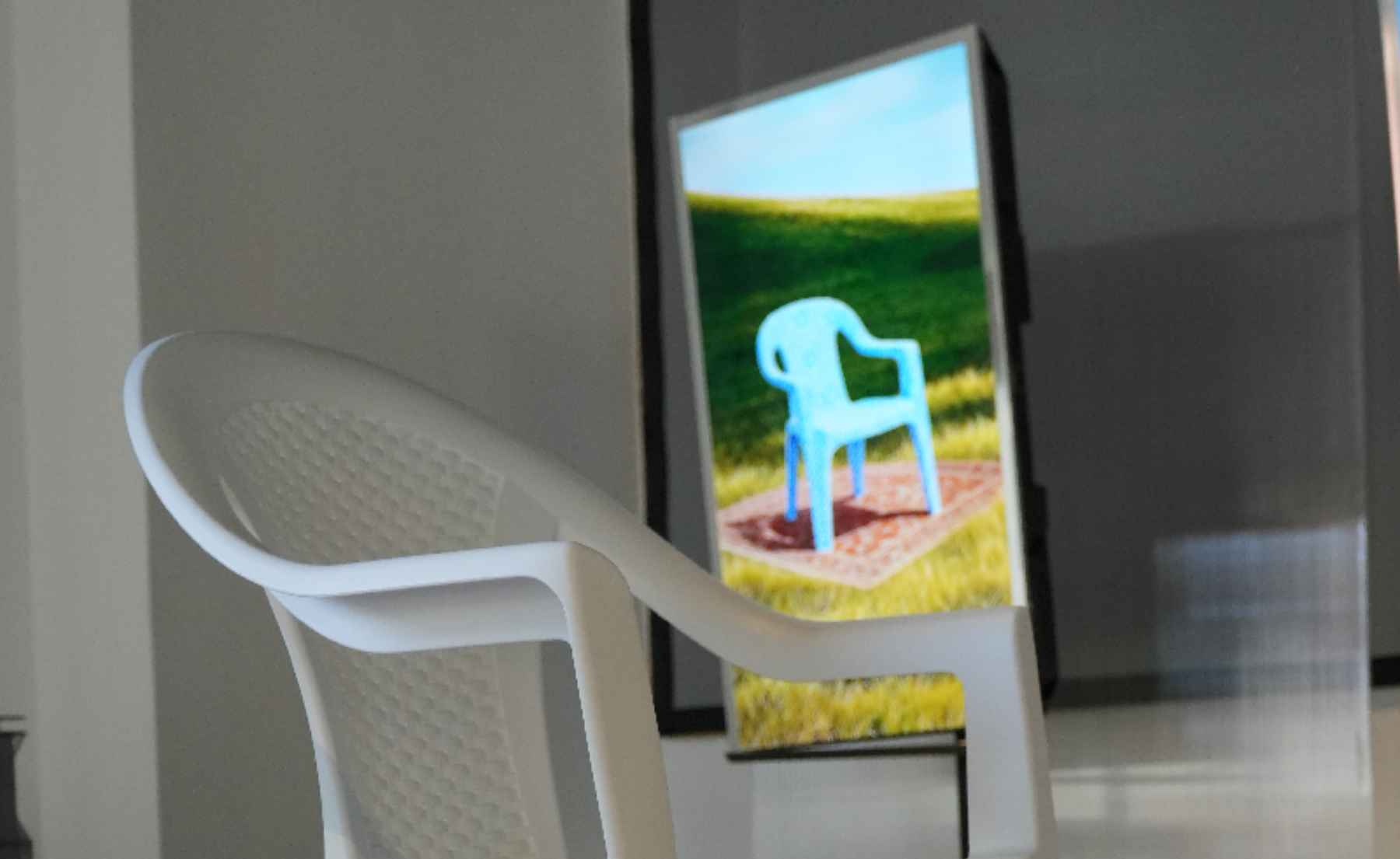
The humble Monobloc chair — a symbol of global mass production since the 1960s — is reborn through regional craft, becoming a vessel for local memory and cultural identity.
Body Blocks, Davina Atallah, Lebanon
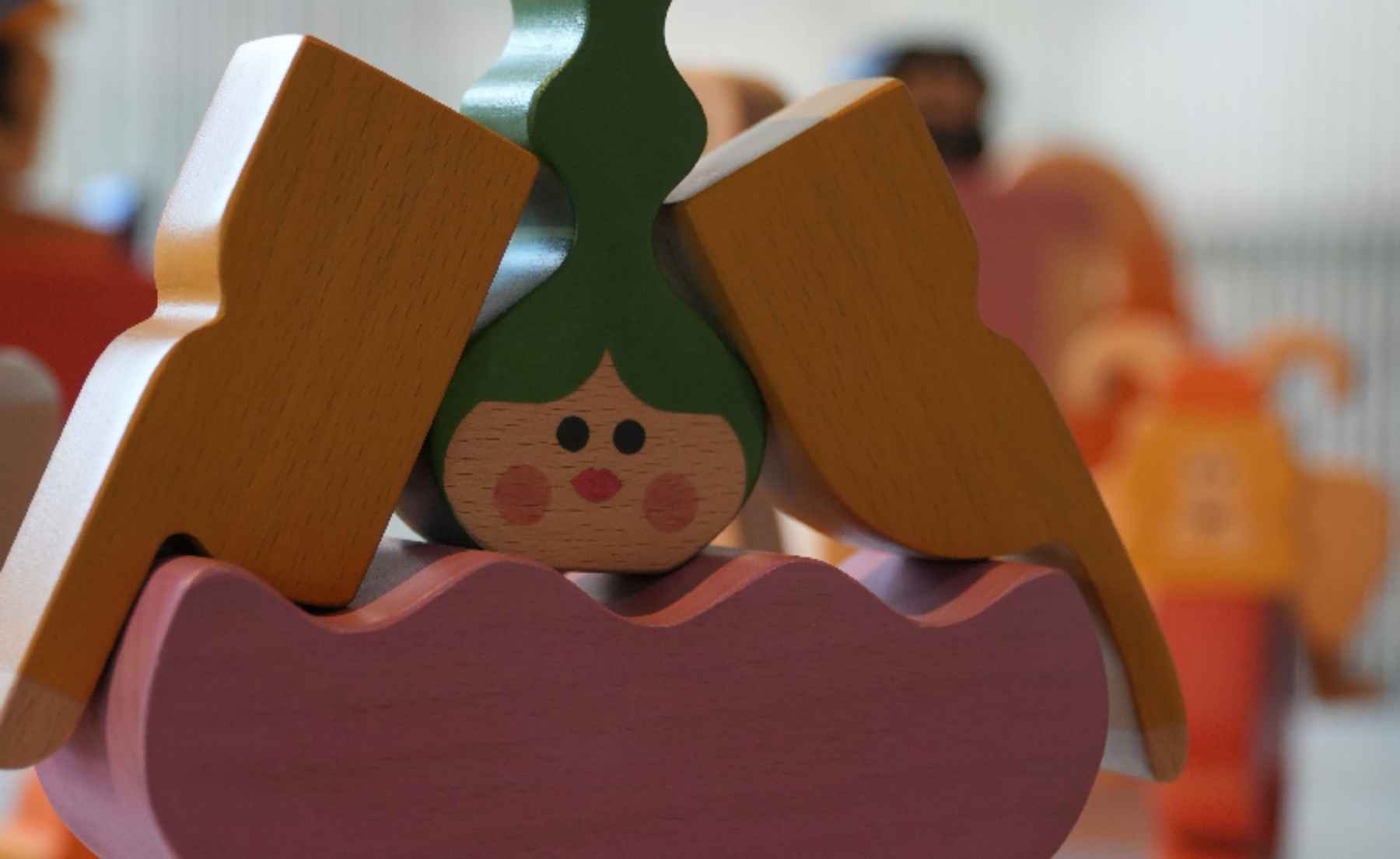
This award-winning toy, inspired by ancient Mesopotamian forms, invites players to rediscover forgotten aesthetics through contemporary play.
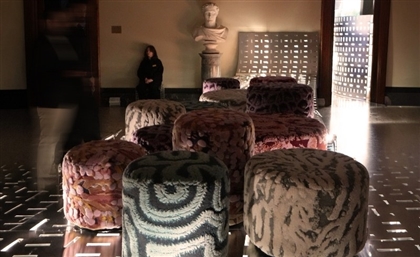
Moments, Seated, Fajr Basri, Bahrain
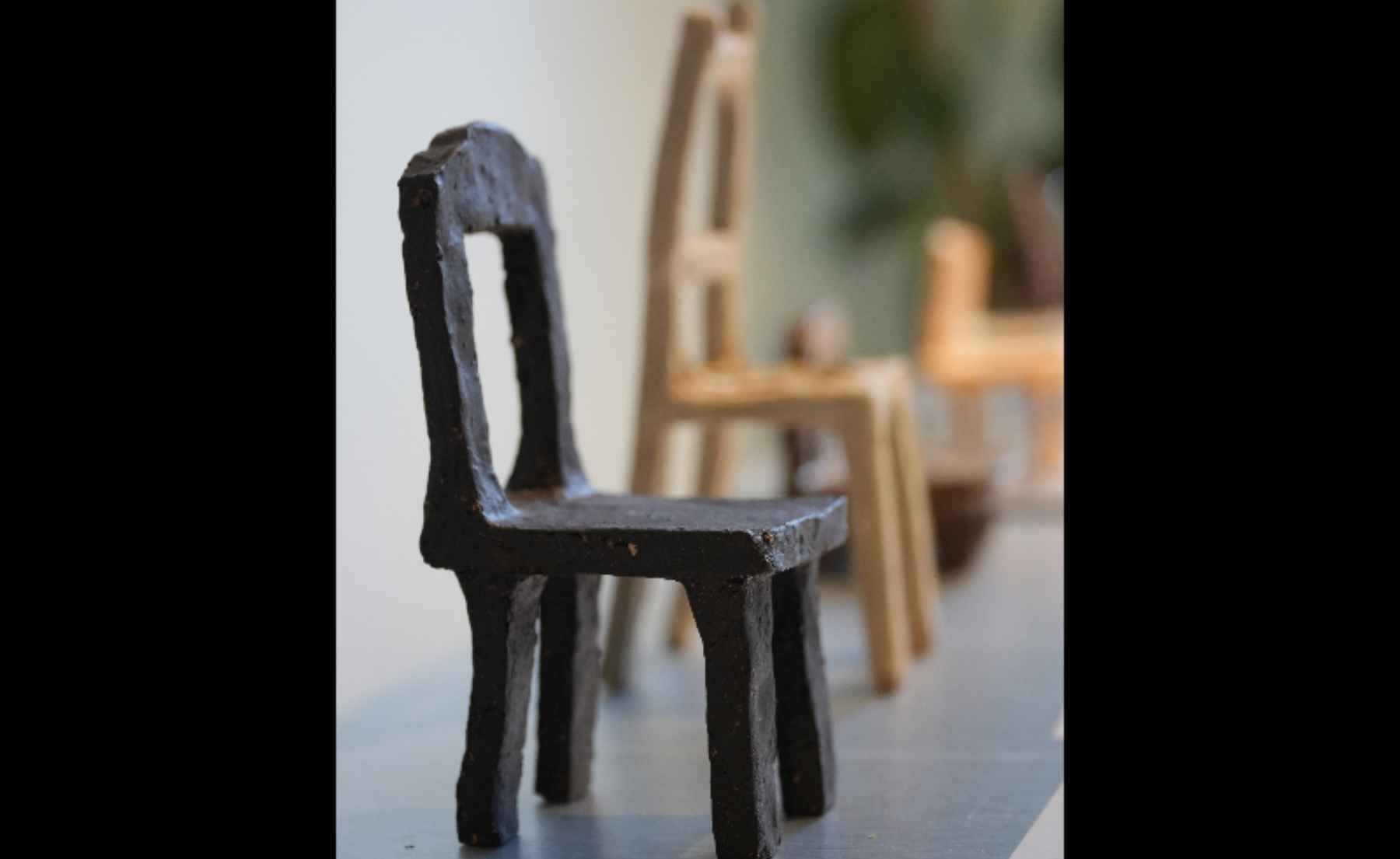
A silent landscape of handbuilt ceramic chairs that hold the memory of human presence long after the body has left.
Olla Forms, Nermin Habib, Bahrain
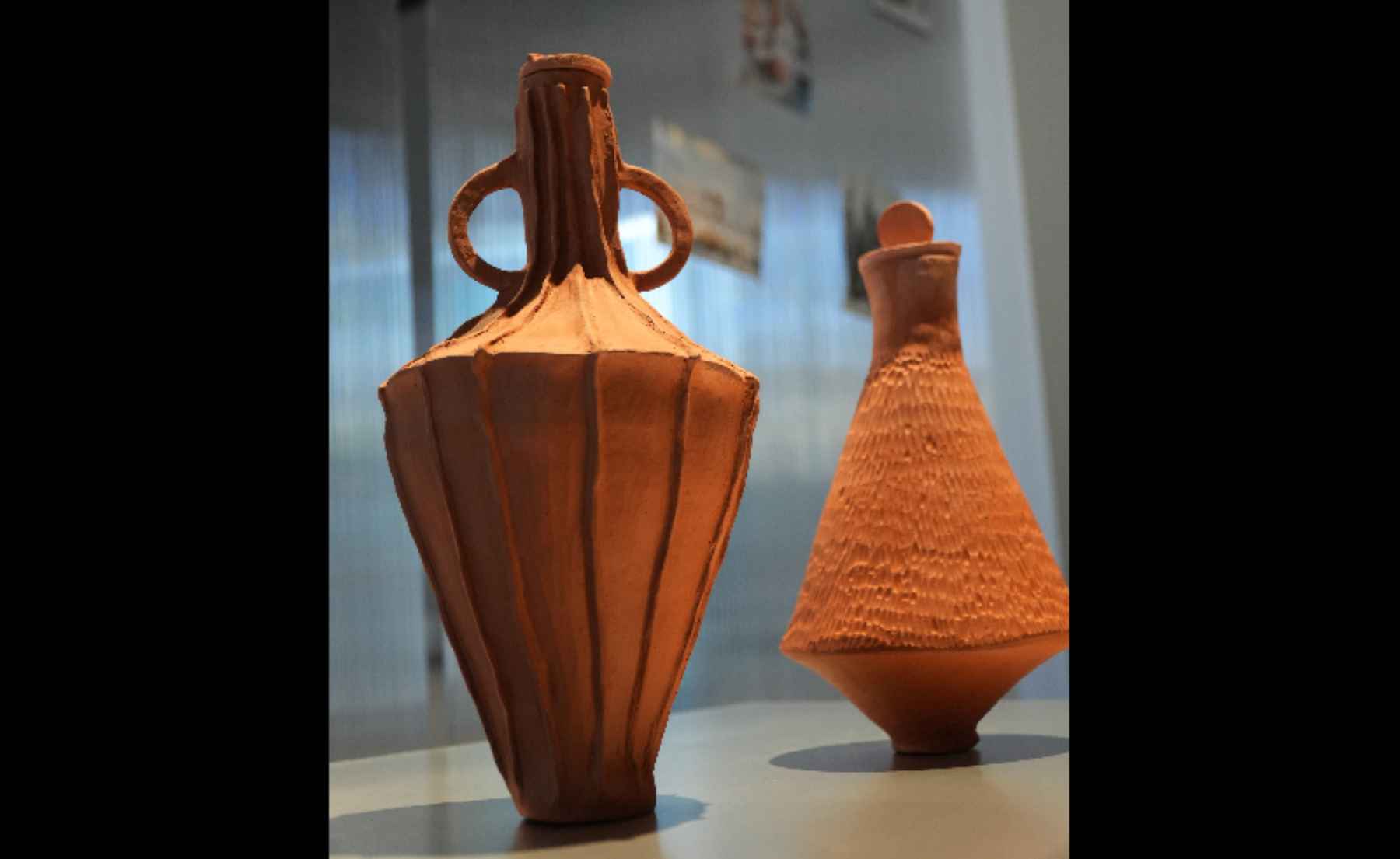
Ancient evaporative cooling techniques meet contemporary craft, as Habib reimagines the ancient terracotta water vessel.
The Conversation Sofa, Dana Wazni, UAE
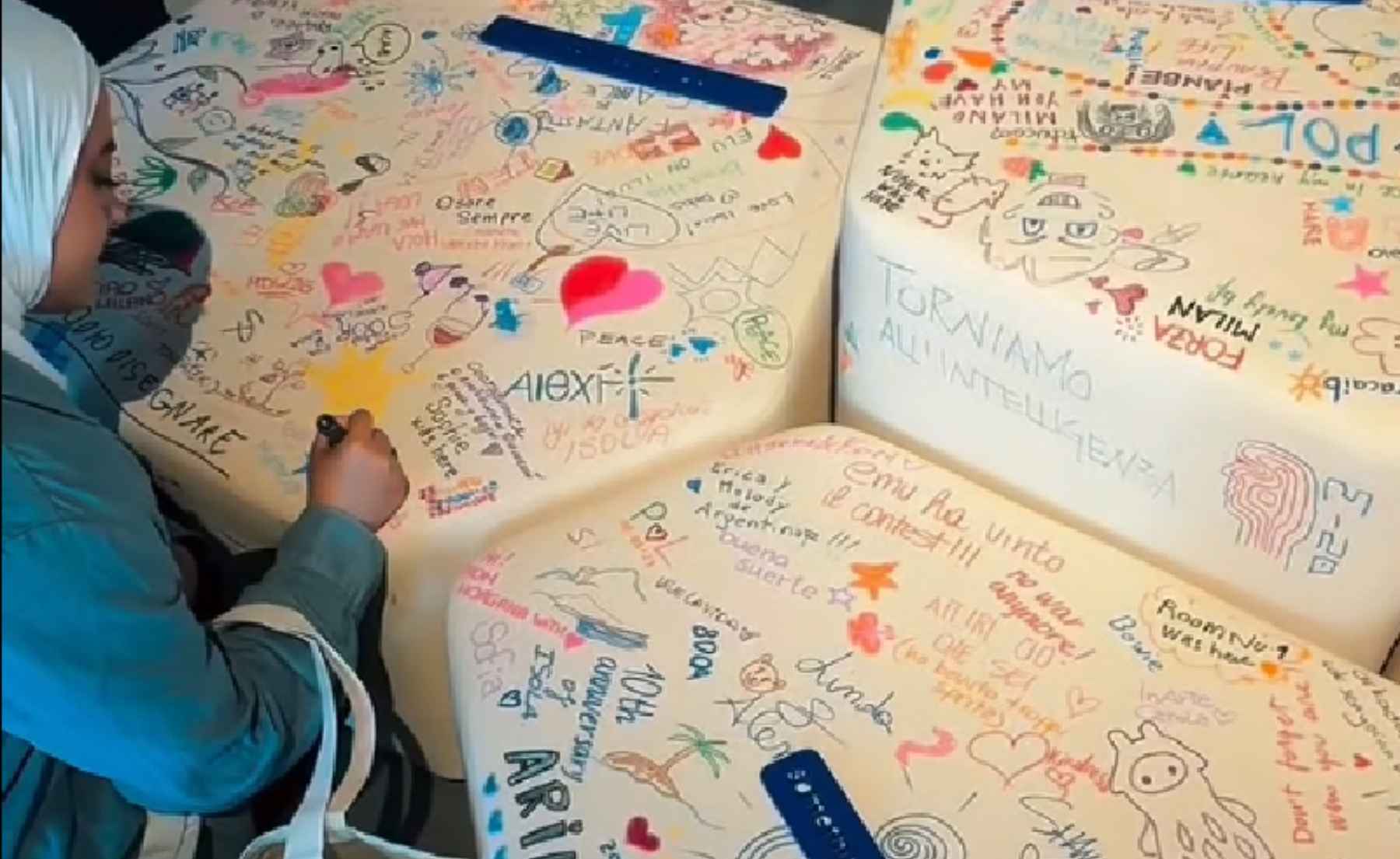
Designed by Wazni for Studio Obliq, The Conversation Sofa is a drawable, writable sofa that becomes a living archive of all those who visit it.
Walls of Remembrance, Ola Znad, Bahrain
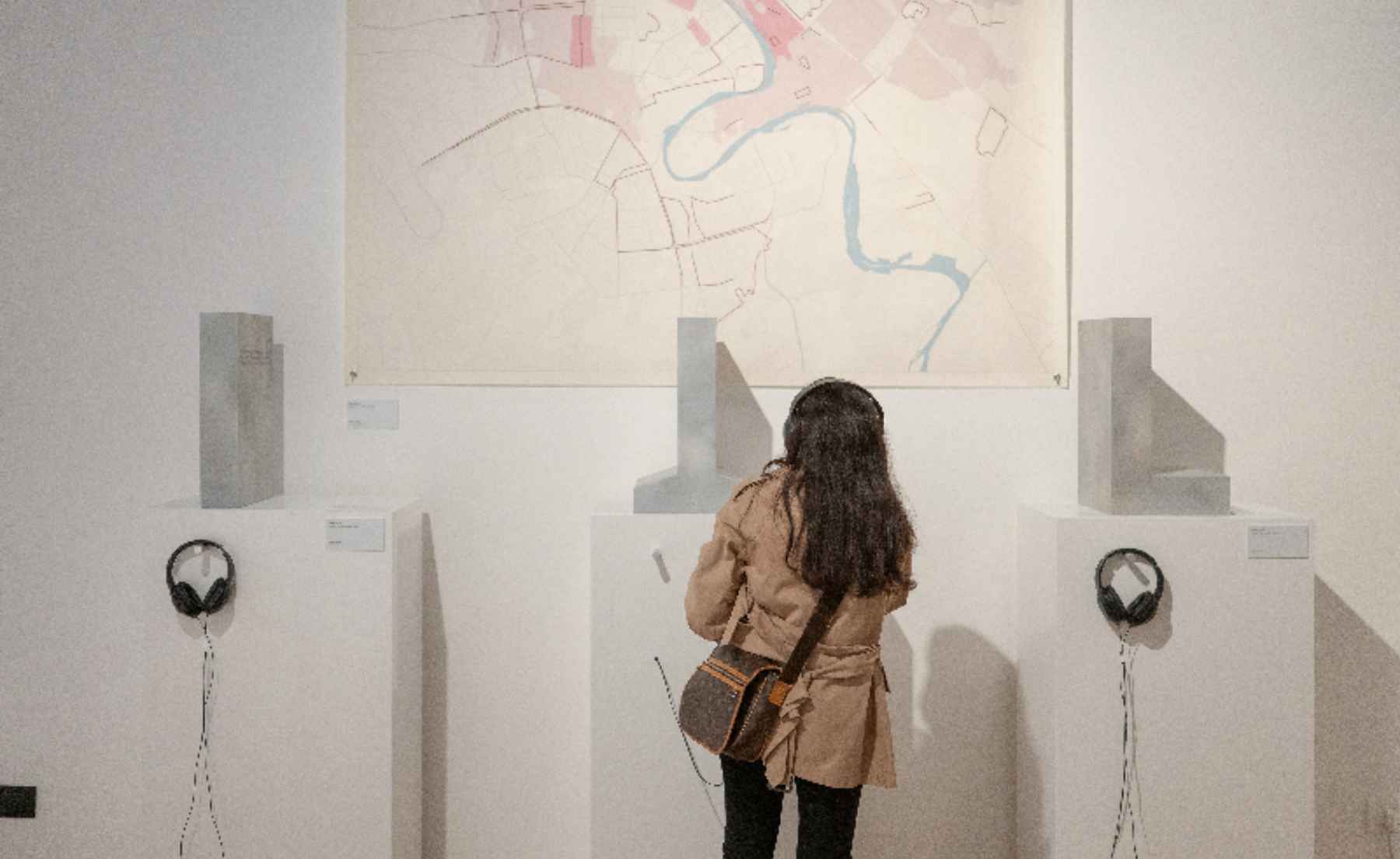
Inspired by the walls of Baghdad post-2003, three engraved concrete structures carry childhood memories, fading rituals, and Iraqi folklore — turning personal loss into collective resilience.
SUNGKA!, Stephen Amoyo, Qatar
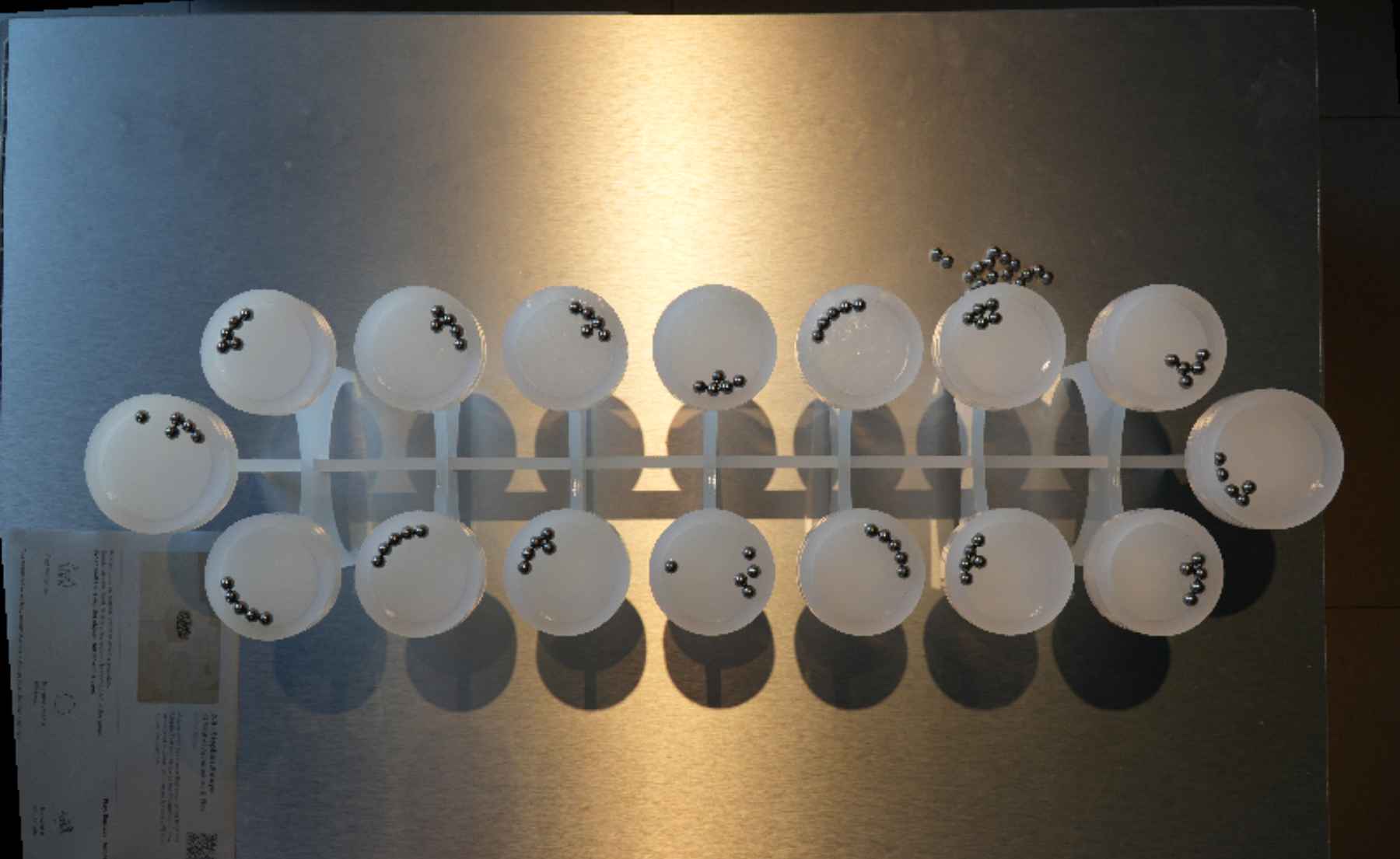
A love letter to an ancient game that travelled from the Middle East and Africa to the Philippines, now played in Qatar and reclaimed by the Filipino diaspora.
- Previous Article Egypt Moves to Localise Desalination Membrane Production
- Next Article The Ancestral Resilience of Omar El Farouk’s Fayoum Home
Related Articles
Trending This Week
-
-
 Oct 15, 2026
 -
-