






Sharjah Collection Revives Vanishing Blueprints of the Arab World
The Sharjah Architecture Triennial opens a Collection Room safeguarding endangered architectural histories from Baghdad, Damascus and Tunis.
An architectural drawing is an act of faith — a belief that what is imagined on paper will one day cast a shadow on the ground. But for many of the buildings documented in ‘A Journey into Architecture Archives: Baghdad, Damascus, Tunis,’ that shadow has long since disappeared, or never fully took form in the first place.
This year's Sharjah Architecture Triennial seeks to honour architecture in every stage of existence, from renderings on blueprints to buildings taken down, replaced, or destroyed. Taking place between May 2nd and July 12th, 2026, at Al Qasimiyah School, the collection brings together rare drawings, physical models, and newly commissioned films that tell the stories of architecture across Baghdad, Damascus, and Tunis.
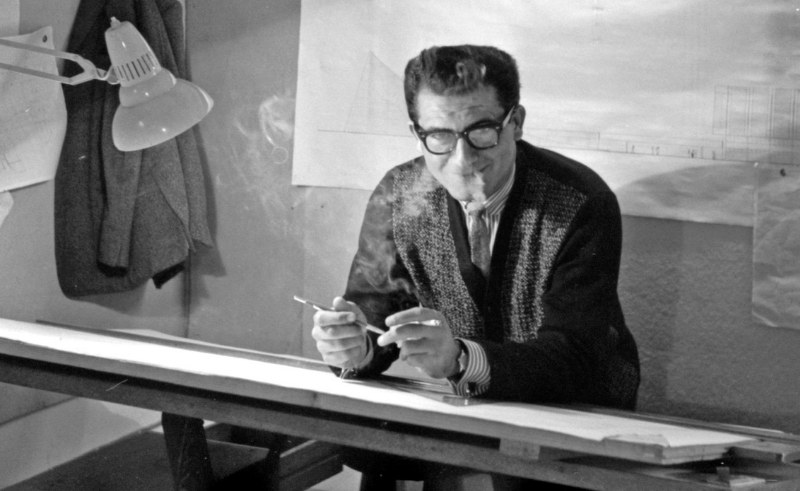
The project is curated by George Arbid, a Lebanese architect, academic and founding director of the Arab Centre for Architecture in Beirut. Trained at Harvard and with decades of research into modern architecture across the Arab world, Arbid brings both scholarly rigour and personal investment to the subject.
In ‘A Journey into Architecture Archives: Baghdad, Damascus, Tunis,’ Arbid has brought these varying cases and cities together under one archive. “This project,” he says, "offers a layered understanding of the past, present and possible futures of the built environment across these three cities. In moments of conflict, our role extends beyond presenting history to caring for the stories we hold. It is great that this archive is preserved, but more importantly, it should be used.”
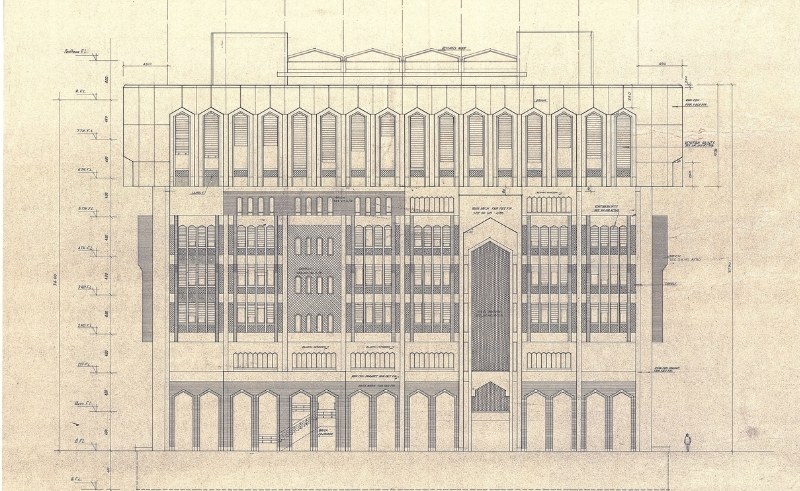
A building takes many forms before it becomes a building. These forms - sketches, models, competition entries - make up the collection on display at the triennial. Many of them, moreover, never made it beyond that stage, their three-dimensional futures cut short by conflict, demolition, or political circumstance. But the documents survived. And within them, an archive of cultural memory, architectural ambition, and history.
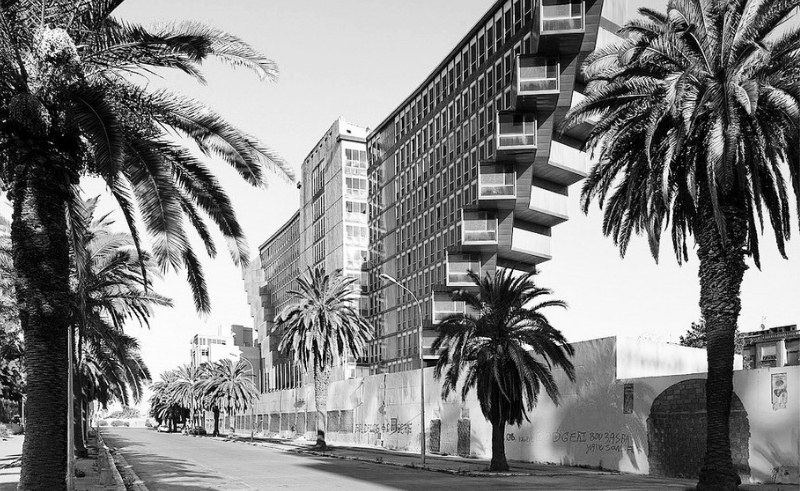
In Tunis, for example, the Hôtel du Lac — designed by Raffaele Contigiani — exists under threat of demolition. In Damascus, plans for experimental cinemas sit folded in private collections, while in Baghdad, competition drawings for a civic building that sought to reconcile exposed concrete with brickwork, woodcraft and arched forms have outlasted the inspiration that produced them.
The survival and memory of these renderings is the result of architects, archivists, and institutions making deliberate choices to preserve these necessary documents and buildings. ‘A Journey into Architecture Archives: Baghdad, Damascus, Tunis’ honours this archive of memory by placing it at the forefront of the collection.
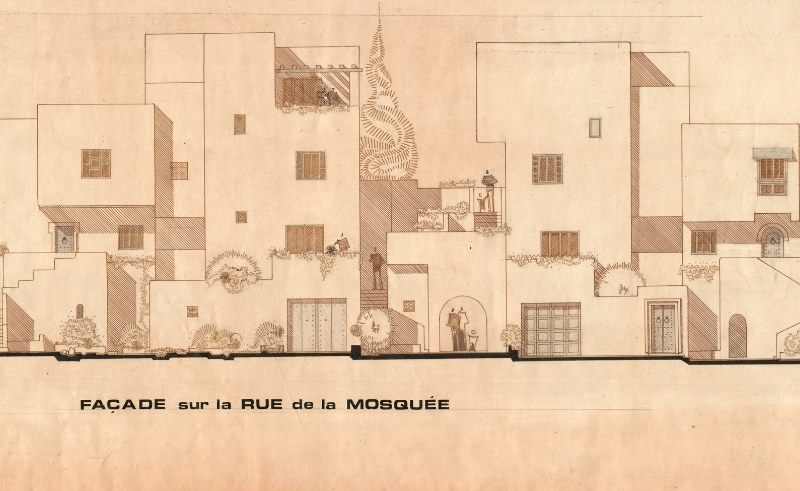
This conviction shapes the format of the presentation itself. Rather than a conventional exhibition, the Triennial has opted for what it calls a Collection Room - a quieter, more sustained encounter with material. Reproductions of hand-drafted drawings and documents dating back to 1930 sit alongside 3D printed scale models made specifically for this presentation, inviting visitors to gain a closer look at the pre-digital processes that defined the era.
Extending the project beyond its physical walls, Arbid has also directed three documentary films, commissioned by the Triennial and shot on location across all three cities. These films bring the archives to life through oral histories from architects, residents, historians and archivists who have lived alongside these buildings and their memories. All three will be made permanently available online after the exhibition closes, ensuring the project outlasts its own duration.
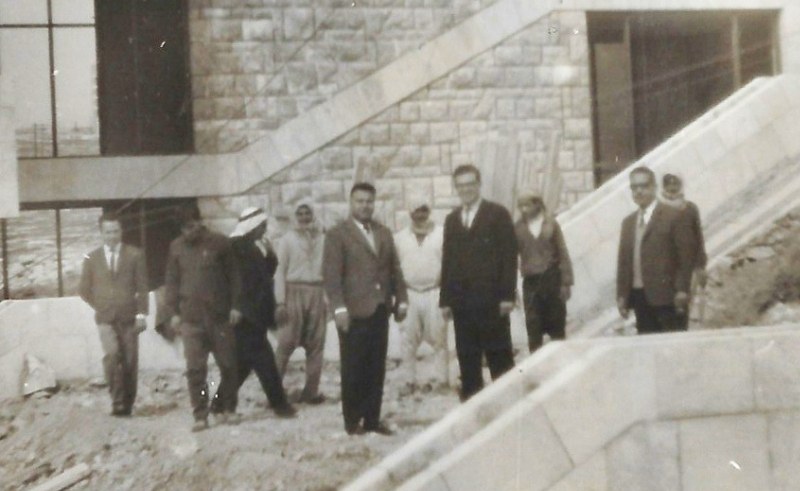
“The [Sharjah] institution is committed to identifying, researching and sharing materials from architectural archives across the region,” Mona El-Mousfy, the founding advisor for the Sharjah Architecture Triennial, says. This year’s collection is a testament to that idea, one that began three years earlier at Sharjah’s last triennial, which focused on Beirut, Cairo and Rabat. That inaugural edition set out to generate knowledge about the region's architectural past from within its own communities, while laying the groundwork for a shared archival database.
This second iteration seeks to build on those foundations, and comes at a necessary time. Across the Middle East, cities are being reshaped by forces that have little interest in what came before. Buildings are demolished, and the collections held within them — drawings, plans, photographs, models — are scattered or lost entirely. An architectural archive is a living record of how a society imagined itself: what it wanted to build, how it wanted to live, what it believed it deserved. When those records disappear, that cultural memory disappears with it.
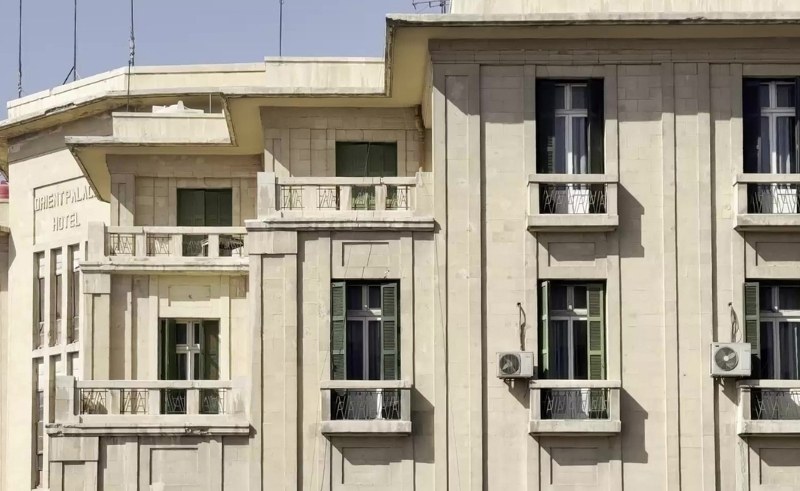
The Triennial has positioned itself as a counterforce to that erasure through the patient work of locating, safeguarding, and reactivating documentation that might otherwise slip away unnoticed. What is at stake, the institution argues, is not just architectural history but cultural memory itself: the raw material from which societies are built.
To mark the opening on May 2nd, 2026, Arbid will present an online public lecture followed by a panel discussion that connects contributors from across the region. Joining him will be Salma Gharbi, architect and founding chair of Docomomo Tunisia, architect Zaid Issam, Ahmad Salah, co-founder and director of AMASyria, and art historian Ola Seif. Visitors wishing to attend the Collection Room in person can book guided or independent tours online at the Sharjah Architecture Triennial website.
Related Articles


Trending This Week
-
-
 Oct 15, 2026
 -

-