





Egypt's Vaccine City Targets EGP 12 Billion in Investment by 2030
The Ismailia facility is expected to produce 140 million vaccine doses annually.

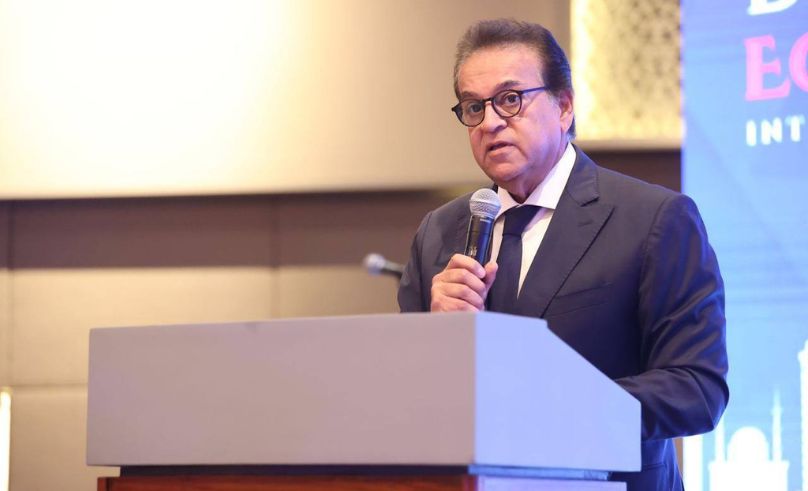
Egypt's Vaccine City and Biotechnology project is expected to attract EGP 12 billion in investments by 2030 as part of efforts to expand local vaccine production and strengthen health security.
Located in Ismailia, the project is being developed through a partnership involving the government, Egyptian investors and international partners. According to Minister of Health and Population Khaled Abdel Ghaffar, the facility is intended to support biotechnology industries while serving markets across Africa and the Middle East.
The project is expected to create around 1,500 jobs for trained Egyptian professionals and will include a specialised academy aimed at building technical capabilities in line with Egypt Vision 2030.
Officials said increasing domestic vaccine production would help reduce import costs and lower pressure on foreign currency demand. Total planned investments are estimated at approximately USD 240 million.-00745b00-b1e5-4fc2-86cd-6cde8e59ddd8.jpg) The facility includes three production lines with a combined annual capacity of 140 million vaccine doses, as well as central filling facilities, utility buildings, water treatment and power stations, and 9,000 square metres of specialised cold-storage facilities.
The facility includes three production lines with a combined annual capacity of 140 million vaccine doses, as well as central filling facilities, utility buildings, water treatment and power stations, and 9,000 square metres of specialised cold-storage facilities.
According to the Ministry of Health and Population, Vaccine City is equipped with an integrated cold-chain network and advanced storage systems designed to maintain strategic vaccine reserves and improve preparedness for epidemics and health emergencies.
The site also follows a One Health approach by producing both human and veterinary vaccines, with the aim of addressing diseases that can spread between humans and animals.
Officials added that the project incorporates solar and other clean energy sources as part of its environmental strategy.
- Previous Article SceneNoise x Amsterdam Dance Event Present CROSSFADE: Egypt
- Next Article The Intricate Beauty of Ben Youssef Madrasa
Related Articles
Trending This Week
-
 Oct 06, 2026
 -
-
-