





Nadine El Roubi Transcends Pain on Debut LP ‘Life Is Beautiful Again’
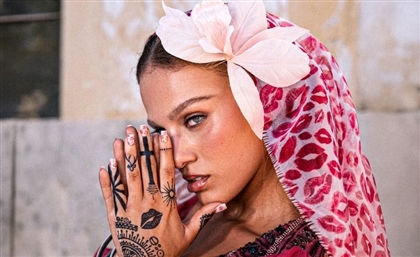
Sudanese artist Nadine El Roubi trades loud defiance for radical vulnerability and neo-soul warmth on her 11-track debut album ‘Life Is Beautiful Again’.

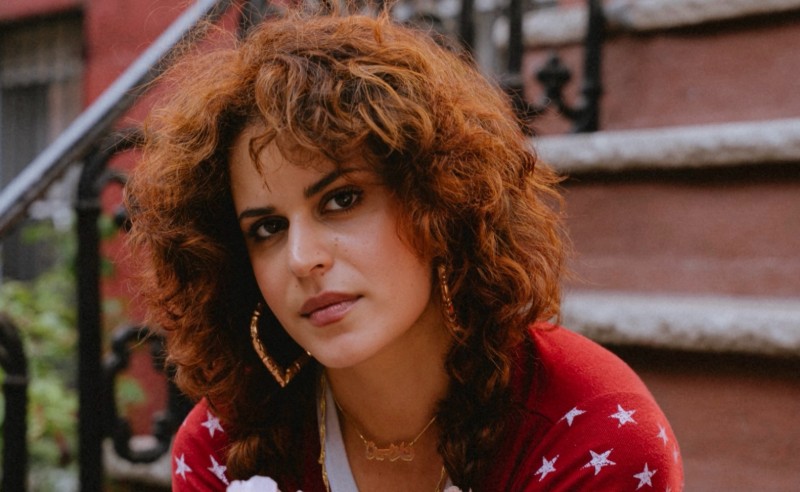
For years, Nadine El Roubi’s presence in the Arab independent scene was defined by a razor-sharp, outward-facing energy. Her earlier releases weaponised hard-hitting beats and defiant rap flows to tackle political and social topics. But on her debut full-length album, 'Life Is Beautiful Again', the Sudanese singer-songwriter and rapper steps inward to construct something far more delicate: an 11-track excavation of self-worth, displacement, and radical vulnerability.
Traced across three years of movement between four different cities, the record reads like a journal written in transit. Here, El Roubi leans into a rich, organic musical architecture built on hip-hop-inspired drums, live keys, sweeping strings, and expressive basslines that carry the record's rhythmic weight.
The opener, ‘Prayer’, immediately establishes this introspective space. Set against a relaxed, Dilla-inspired drum swing and lush sampled piano, El Roubi’s vocals float weightlessly as she seeks the clarity needed to articulate her internal world. That soul-infused foundation deepens on ‘Garden’, anchored by a persistent, single-note piano line that grounds her soft, spoken-word-adjacent verse in a subtle mix of funk and neo-soul.
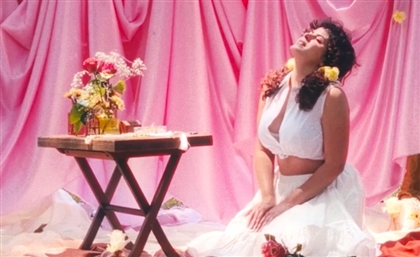
Rather than treating her experience in the diaspora as a monolithic struggle, El Roubi inspects its quietest, most pervasive anxieties on ‘Hibiscus’, where pensive chords and a velvety groove frame her exploration of third-culture isolation. That sacred focus on heritage recurs on ‘Safiya’, a bare, drumless interlude where spoken-word poetry, smoke, and ritual merge into a striking meditation on Sudanese femininity.
As the tracklist unfolds, the writing grows increasingly unvarnished. ‘Star’ uses wistful electric piano chords and a gentle groove to advocate for stillness in an overstimulated world, while ‘Pills’ dips into jazz-rap territory, soaking her relaxed delivery in reverb as she strives to find total honesty. On ‘Concrete’, dreamy guitar figures and ambient harmonies collide with a sharp trap beat, capturing the psychological claustrophobia of city life and the unsettling feeling of seeing one's own chaos mirrored by the environment.
The album’s late-stage arc allows space for resolution and sonic scale. ‘Who’ delivers one of the record’s most textured arrangements, with a detailed tapestry of electric piano, synth accents, and a central, driving bassline that tackles emotional disillusionment with head-nodding swagger. On ‘The Living’, an unassuming indie-rock guitar riff slowly unfolds into a lush, cinematic orchestral crescendo, providing a triumphant backdrop as El Roubi reflects on surviving an exhausting year of personal upheaval.
By the time ‘Grace’ brings the record to a close, a quiet peace takes over. Layering classical and electric guitars beneath dreamy, jazz-inflected melodies, El Roubi surrenders her fears and makes peace with life's unpredictability.
'Life Is Beautiful Again' is a document of an artist learning that quiet reflection can carry more force than loud defiance. By prioritising emotional truth over genre constraints, Nadine El Roubi delivers a deeply human body of work that proves choosing hope is often the ultimate act of resilience.
[EMBED]
- Previous Article On Set: Abo El Anwar - '007'
- Next Article Select 409: Mixed by Youssef Seoudy