


Postcards on How Music is Keeping Lebanon Going Amidst Uncertainty
At Oakenfest 2026, Lebanese outfit Postcards reflects on why they continue to write music, and how performing live acts as a therapeutic release.
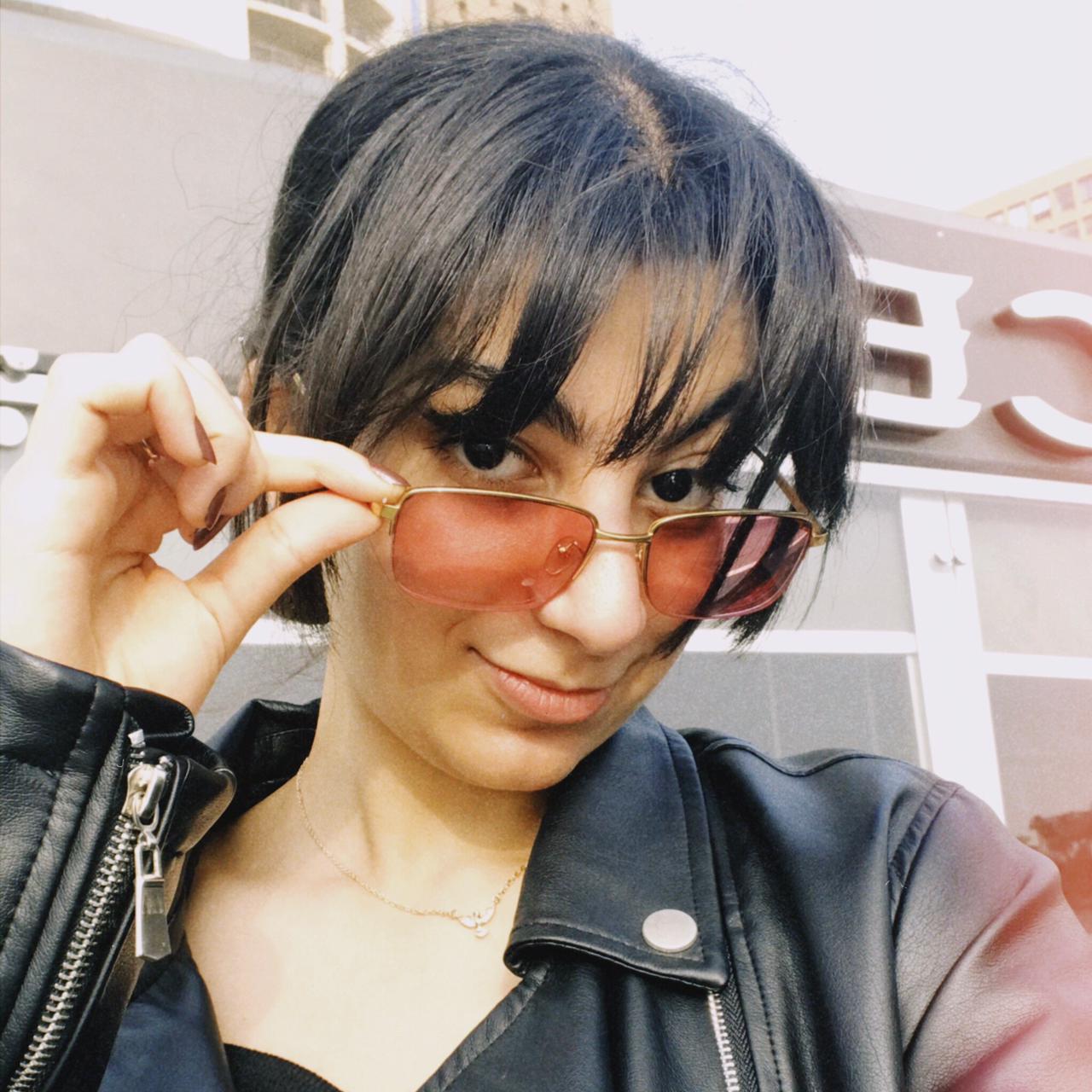
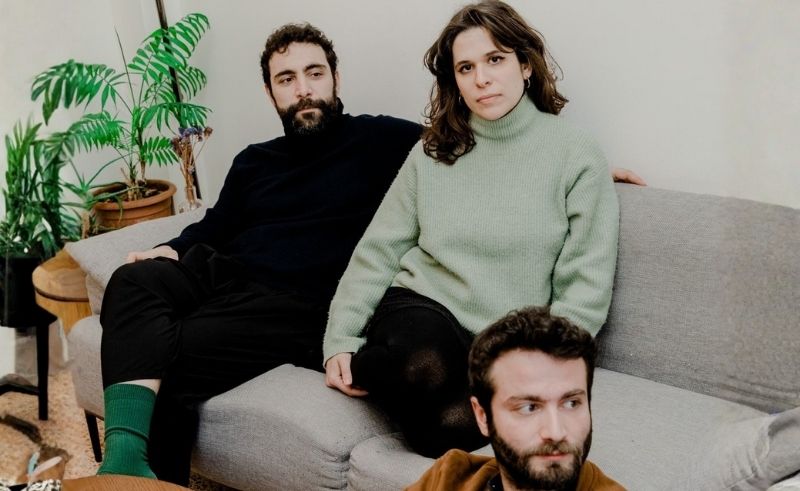
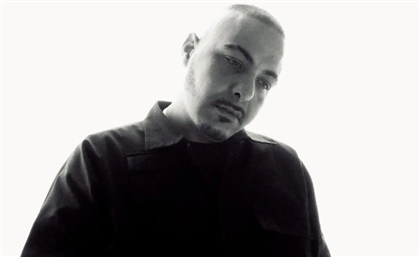
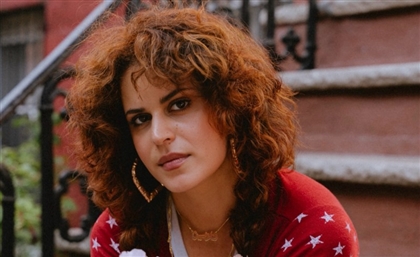
Formed in Beirut in 2012 by cousins Marwan Tohme and Pascal Semerdjian alongside vocalist Julia Sabra, Postcards has grown into one of Lebanon's most compelling alternative bands. Over the years, their music has evolved from early indie-folk origins into an expansive sound that blends dream pop, shoegaze, and noise rock, capturing the delicate interplay between vulnerability, hope and the restless reality of living in Beirut. For the trio, playing live is far more than an artistic showcase; it acts as a deeply therapeutic release. The stage creates a shared catharsis where intimate personal stories written in isolation transform into a collective experience of healing for both the band and their audience.
This sense of communal connection is essential in a country defined by perpetual instability and crisis. Navigating a landscape with limited public spaces and constant uncertainty, making music in Lebanon is rarely about financial gain, but rather an undeniable emotional necessity. The underground music community serves as a vital public space where artists and listeners lean on one another, using sound to process trauma and stay grounded.
The weight of their surroundings often gives Postcards' songs an uncanny, almost predictive resonance. Tracks like Dust Bunnies, written in late 2022 as an emotional catalogue of life in the country, took on unexpected depth and new meaning as subsequent conflicts and hardships unfolded across the region. While listeners often assume such music is a direct response to recent tragedies, the band notes how their writing frequently taps into underlying realities long before they fully manifest, making their catalog an enduring testament to creative resilience in the face of ongoing change.
In a candid interview with Postcards at this year’s edition of Oakenfest in Lehfed, Lebanon, the band reflects on why they continue to write music, the significance of live performances for them and how it is the last remaining public space for artists in Lebanon.