



La PAC 18 Gave Paris' Goutte d'Or Its Own Africa Cup of Nations
Every summer, teams representing Senegal, Mali, Algeria, Côte d'Ivoire and more, play out their own Africa Cup of Nations on a single public pitch in Square Léon, in northern Paris.
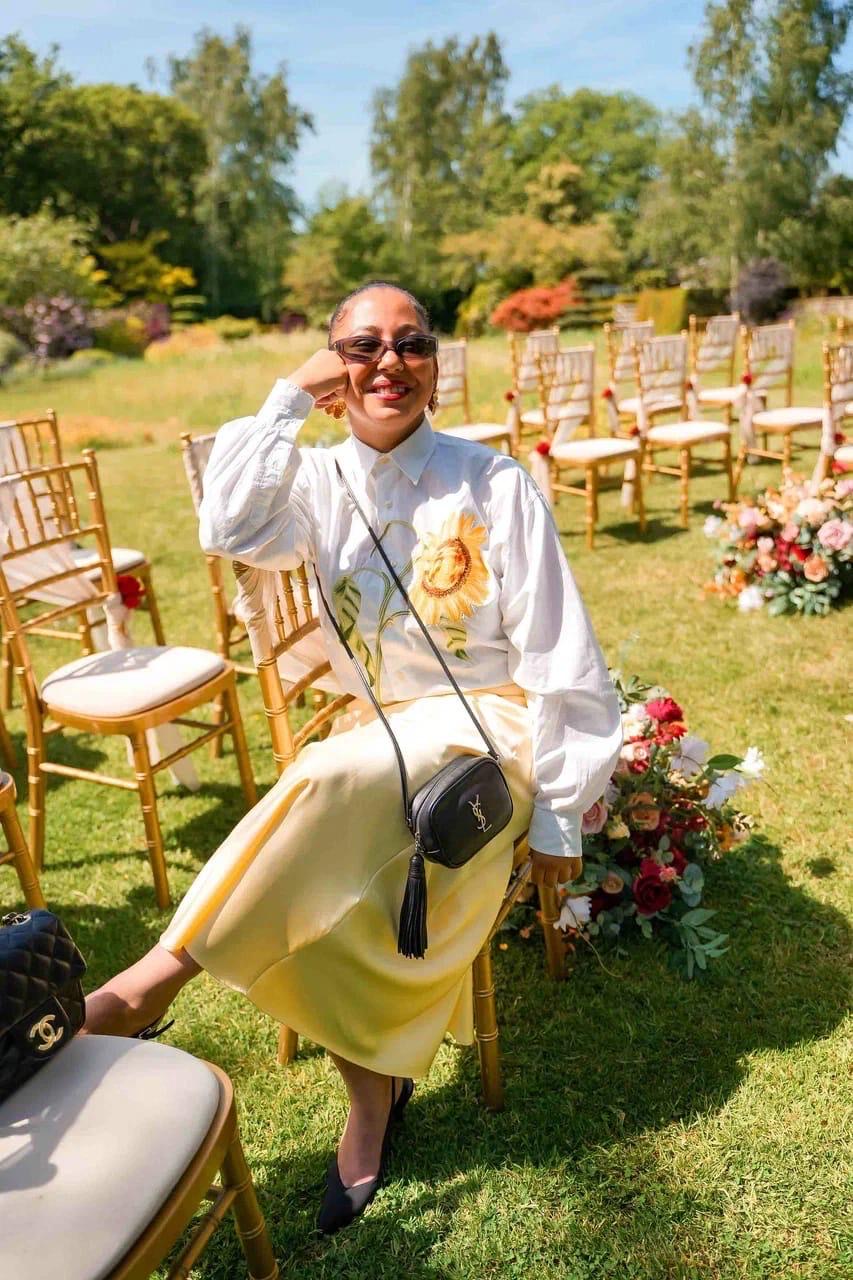
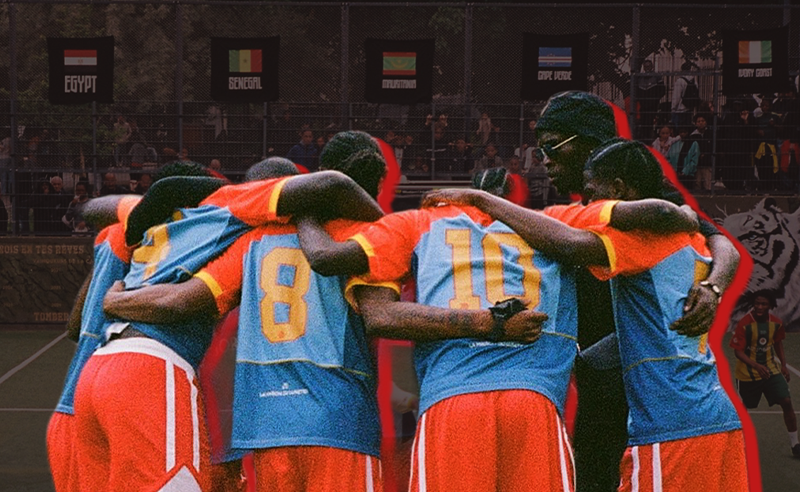
Mamoudou Camara founded La PAC 18, the Paris African Cup, in 2019 with friends Rayan Manhsour, Aladin Essid and Elyte Agamah. They wanted to recreate the spirit of the Africa Cup of Nations in their own way, adapting it to their neighbourhood, the people who live there and the communities around them.
Rooted in the 18th arrondissement of Paris, an area long shaped by migration and a mix of North African, West African and diasporic cultures, La PAC 18 brings together teams from across the continent, among them Senegal, Mali, Algeria and Côte d'Ivoire, with more nations joining each year. What began as a simple idea among friends is now one of the city's most distinctive community tournaments.
To bring people together, organise a tournament and see who was the best: that was the original idea. "If I remember correctly, it was during Ramadan. It was an incredibly hot summer, a group of friends and I were hanging out and thought, 'Let's organise a football tournament.' The only problem was, we had absolutely no idea how to do it," Camara tells SceneSports.
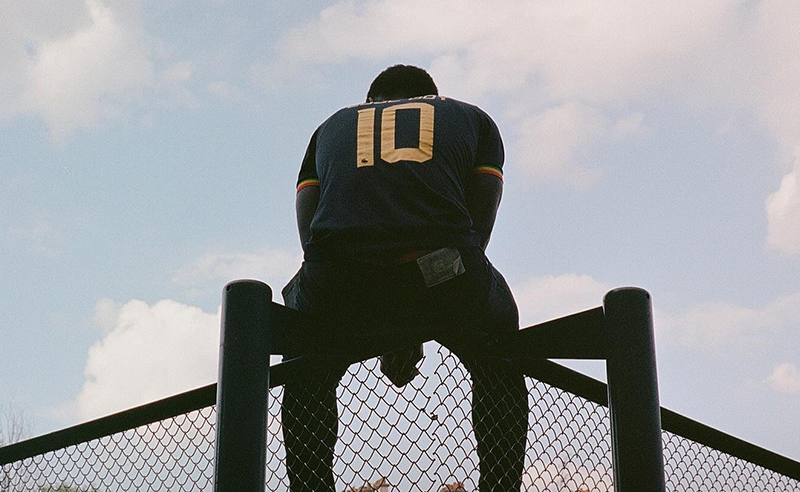
They heard that in Évry, an organisation called CAN des Quartiers were organising a neighbourhood AFCON tournament, "we realised we had everything we needed to do something similar because we live in a neighbourhood with people from so many different backgrounds. So we said let's do the same. Not copy it, but take inspiration from what they'd created and make it our own,” says Camara.
He created a Snapchat account and asked people in the neighbourhood to share it. In a single evening he had around 1,000 views, from an account that had existed for less than an hour.
"We started announcing teams, this country, that country, and they quickly came together: Senegal, Mali, Algeria, Côte d'Ivoire, and many others," he says. Almost overnight he had signed up 10 of the 12 teams he was hoping for.
He and the team finished registrations the next day, and realised that organising a football tournament was far more complicated than he had imagined. They had the teams, then the logistics began to dawn on them: where to play, what rules to use, how to find funding. Without realising it, they were building an institution.
They settled on the public pitch at Square Léon, in the middle of La Goutte d'Or. "We said to ourselves, 'This is where we spend most of our time. This is where everything happens. This is where we're going to organise our tournament.'"
Each player was asked to contribute around €10, raising an initial budget of roughly €600 that went on footballs, first-aid kits, playing kits and cones. The pitch itself was badly run down, so they patched it up with tape and whatever materials they had to hand. That is how the tournament came to life.
They started under the name La CAN 18, after the French name for AFCON, La Coupe d'Afrique des Nations. A few years later Camara changed it to give the tournament an identity of its own. "La CAN is great, but it doesn't belong to us. And, in a way, whenever someone organises a tournament, they call it La CAN. We wanted something that was truly our own," he says.
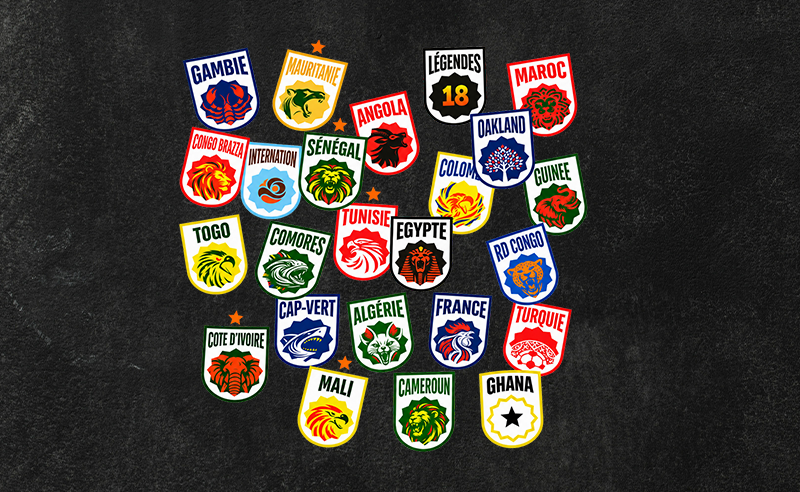
They kept expanding, going from 12 teams to 16, then to 24. Momentum built faster than they had expected and huge crowds started turning up, which brought complications of its own, although Camara is careful not to frame it that way.
"It wasn't entirely a problem because some people came just to enjoy the atmosphere, regardless of the football, but people couldn't actually see the matches. That's when we thought, 'Why don't we install a grandstand?'"
They started with one, added a second the following year and later put in floodlights, and little by little the event took on a professional standing.
Support started pouring in from the neighbourhood. "Some older members of the community who own an optician's called La Maison du Lunetier immediately believed in the project. They offered to donate a prize for the winning team, even though at the time we didn't really have a prize beyond the trophy itself," he says.
The following year they were joined by the fashion label Maison Château Rouge, founded by Youssouf Fofana, which designed and produced the jerseys. "They really added their own touch while making sure the shirts retained a strong African identity, which was something that mattered deeply to us. The result was incredible," he says.
In 2024 Jordan came on board. The brand had spent time watching what the team was doing, attended the tournament and came away impressed. "They said, 'That's it, we're with you.' They became a sponsor, and we've grown together ever since," Camara says.
One of the tournament's most touching aspects is its intergenerational connection to the local community. Women from the neighbourhood sell food throughout the event, many of them having watched the organisers grow up.
"They're our mums, our friends' mums. It's important that everyone is part of this big celebration. We have nothing but respect and love for them. If we can do something good for them as well, we'll always do it wholeheartedly," Camara says.
One rising star to come out of the tournament is the young player Mohamed Seddik. "His story is beautiful, actually. He's a kid from the neighbourhood who always watched us. Whenever we organised anything related to football, he was there. He grew up watching the tournament, and eventually he wanted to play in it himself. He took part once, then again, then again."
Seddik now plays for RC Lens, the French professional club, where he has been promoted to train with the first team ahead of the new season. "He's our gem. The pride of the neighbourhood."
They decided to open the tournament to participants from outside Africa as well, including France and a US team from Oakland. “We didn't want to limit it by saying because it's based on AFCON, only African countries can take part. That wasn't the point. We're here to have fun. If you want to enter a team representing India, then create an India team and come and play. That was always the spirit of the tournament,” says Camara.
The tournament runs every summer from the start of June. This year's 7th edition came to a close on 3rd July with a final clash between Senegal and Côte d’Ivoire. Senegal emerged as champions, sparking huge celebrations across Square Léon.
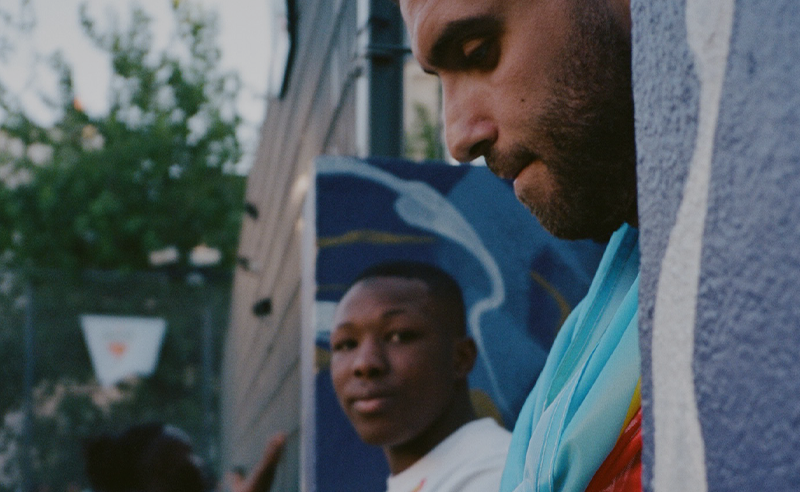
Camara's plans for the tournament stay grounded. What matters most to him is that it keeps improving and that the bond within the team holds. "To be honest, we have more fun than we feel like we're working, and that's what makes it so special," he says.
He would love to run the tournament in other countries and is already exploring a few possibilities. Beyond that, he does not want to ask for too much.
"I try to take a step back every now and then and remind myself: A few years ago, this is exactly what we were hoping for, and now we have it. Can we at least take a moment to enjoy it before rushing to the next step? Because if you're always chasing the next thing without ever looking back, then when you finally reach the top, it doesn't taste as sweet."