





This Moroccan Luxury Travel Advisor Wants You to Skip the Helicopter
Sarah Casewit runs a boutique consultancy crafting transformative journeys for discerning travellers who want cultural depth, rare access, and trips that actually stay with them.
The word luxury comes from the Latin luxus: excess, extravagance, abundance that tips from pleasure into transgression. For most of Western history it carried a faint smell of moral condemnation. Even the Romans, who had elevated excess into a kind of civic achievement, spoke of luxuria with something approaching shame. Then the twentieth century performed a laundering operation, stripped the guilt, and replaced it with aspiration.
Travel adopted the word enthusiastically. Luxury became measurable in thread counts, stars, and service calibrated to the point of telepathy. It meant being known before introducing yourself. And in delivering all of this, the industry managed to produce, consistently and at astonishing scale, trips that people forget almost immediately after they return.
 Sarah Casewit noticed this early. “I was selling beautiful trips, but something felt hollow. Everything was smooth, seamless, expensive and yet forgettable,” she tells SceneTraveller.
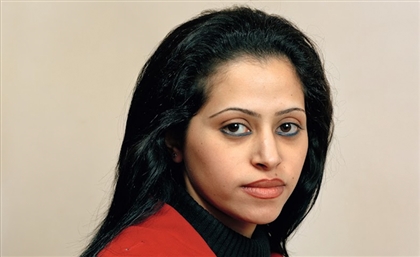
Born in Marrakech, raised across five continents, fluent in four languages, Casewit co-founded Naya Traveler, one of the first female-led luxury travel companies, before serving as Director of Travel at a California tech firm, and launching, in late 2025, her own eponymous Forbes-recognised boutique consultancy. Vogue, the New York Times, Condé Nast Traveller and National Geographic have all, at various points, dispatched someone to ask what she thinks. None of this, she will tell you, is the interesting part. The interesting part is what fifteen years inside that industry taught her about what it was getting wrong.
Sarah Casewit noticed this early. “I was selling beautiful trips, but something felt hollow. Everything was smooth, seamless, expensive and yet forgettable,” she tells SceneTraveller.
Born in Marrakech, raised across five continents, fluent in four languages, Casewit co-founded Naya Traveler, one of the first female-led luxury travel companies, before serving as Director of Travel at a California tech firm, and launching, in late 2025, her own eponymous Forbes-recognised boutique consultancy. Vogue, the New York Times, Condé Nast Traveller and National Geographic have all, at various points, dispatched someone to ask what she thinks. None of this, she will tell you, is the interesting part. The interesting part is what fifteen years inside that industry taught her about what it was getting wrong.
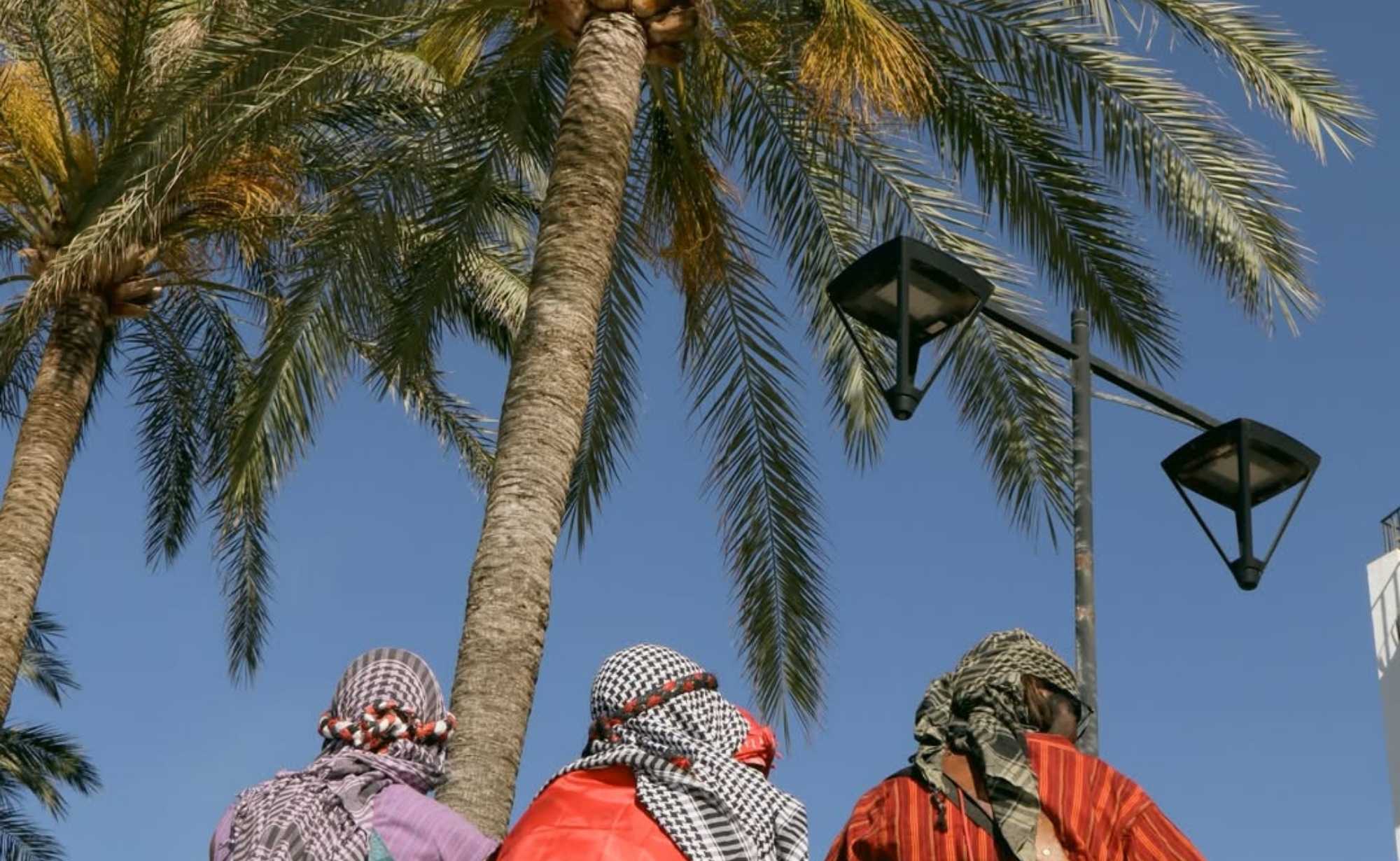 Travel, for her, was the atmosphere she grew up breathing. While other children were introduced to theme parks and resorts, her childhood unfolded between places like Angkor Wat, the Bosphorus, Giza, and the mountain village of Imlil in Morocco. “Growing up between cultures meant I was always translating, adapting, reading between the lines.”
Buenos Aires became the turning point. It was there, while working professionally in travel, that she first recognised the industry as something carefully shaped, sold, elevated. “I was already questioning it, I could feel the gap between what was being sold and what was actually meaningful.” The moment that fracture fully surfaced came in Patagonia, watching travellers arrive by private helicopter onto a receding glacier without pausing to interrogate the absurdity of the scene or the environmental cost beneath it. “They were moving through countries the same way they move through airports,” she says. “That’s when I realised luxury had been reduced to comfort, when it should have been about depth.”
Travel, for her, was the atmosphere she grew up breathing. While other children were introduced to theme parks and resorts, her childhood unfolded between places like Angkor Wat, the Bosphorus, Giza, and the mountain village of Imlil in Morocco. “Growing up between cultures meant I was always translating, adapting, reading between the lines.”
Buenos Aires became the turning point. It was there, while working professionally in travel, that she first recognised the industry as something carefully shaped, sold, elevated. “I was already questioning it, I could feel the gap between what was being sold and what was actually meaningful.” The moment that fracture fully surfaced came in Patagonia, watching travellers arrive by private helicopter onto a receding glacier without pausing to interrogate the absurdity of the scene or the environmental cost beneath it. “They were moving through countries the same way they move through airports,” she says. “That’s when I realised luxury had been reduced to comfort, when it should have been about depth.”
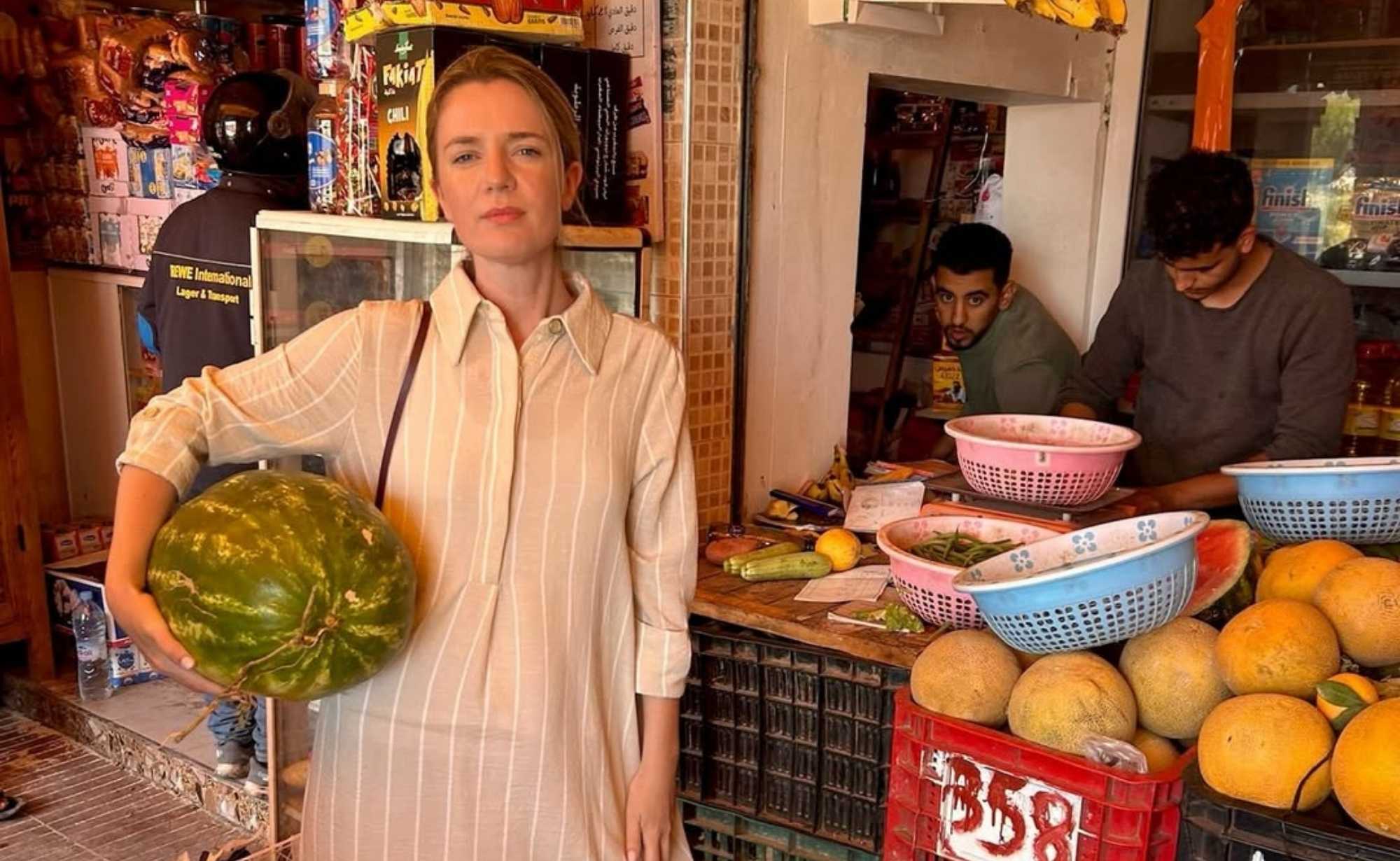 What she decided to do about it has taken fifteen years to articulate, and she is still articulating it. “The most memorable trips are the ones where something inside you shifts, whether it’s emotions or perspectives.” It is a matter of presence, paying a different kind of attention and understanding that the journey, as she puts it, begins the moment you decide where you want to go—and that it must, from that first moment, have an intention.
That philosophy eventually led her to launch her own consultancy. “I knew exactly what I believed in, and I knew I couldn’t fully express it within someone else’s framework.” So in late 2025, she put her name on the door—Sarah Casewit, boutique travel consultancy, based in Mallorca, reaching everywhere—and decided to work only with travellers who were curious. People willing to be changed. Her clients are mostly high-net-worth, tired of the performative luxury that passes for depth. They come to her with ten days and a spreadsheet and a quiet fear that they are doing it wrong. She listens. Then she starts pulling threads. A phone call to a woman she has known for fifteen years in the Fez medina. Accommodations that do not appear on any booking platform. Guides who have never needed to advertise. “The value comes from knowing when to open a door, and for whom.” A client once asked her to arrange a private meeting with a senior spiritual master. What surprised the client wasn’t the access itself, but how quickly Sarah arranged it and how warmly the master welcomed a complete stranger into his home.
What she decided to do about it has taken fifteen years to articulate, and she is still articulating it. “The most memorable trips are the ones where something inside you shifts, whether it’s emotions or perspectives.” It is a matter of presence, paying a different kind of attention and understanding that the journey, as she puts it, begins the moment you decide where you want to go—and that it must, from that first moment, have an intention.
That philosophy eventually led her to launch her own consultancy. “I knew exactly what I believed in, and I knew I couldn’t fully express it within someone else’s framework.” So in late 2025, she put her name on the door—Sarah Casewit, boutique travel consultancy, based in Mallorca, reaching everywhere—and decided to work only with travellers who were curious. People willing to be changed. Her clients are mostly high-net-worth, tired of the performative luxury that passes for depth. They come to her with ten days and a spreadsheet and a quiet fear that they are doing it wrong. She listens. Then she starts pulling threads. A phone call to a woman she has known for fifteen years in the Fez medina. Accommodations that do not appear on any booking platform. Guides who have never needed to advertise. “The value comes from knowing when to open a door, and for whom.” A client once asked her to arrange a private meeting with a senior spiritual master. What surprised the client wasn’t the access itself, but how quickly Sarah arranged it and how warmly the master welcomed a complete stranger into his home.
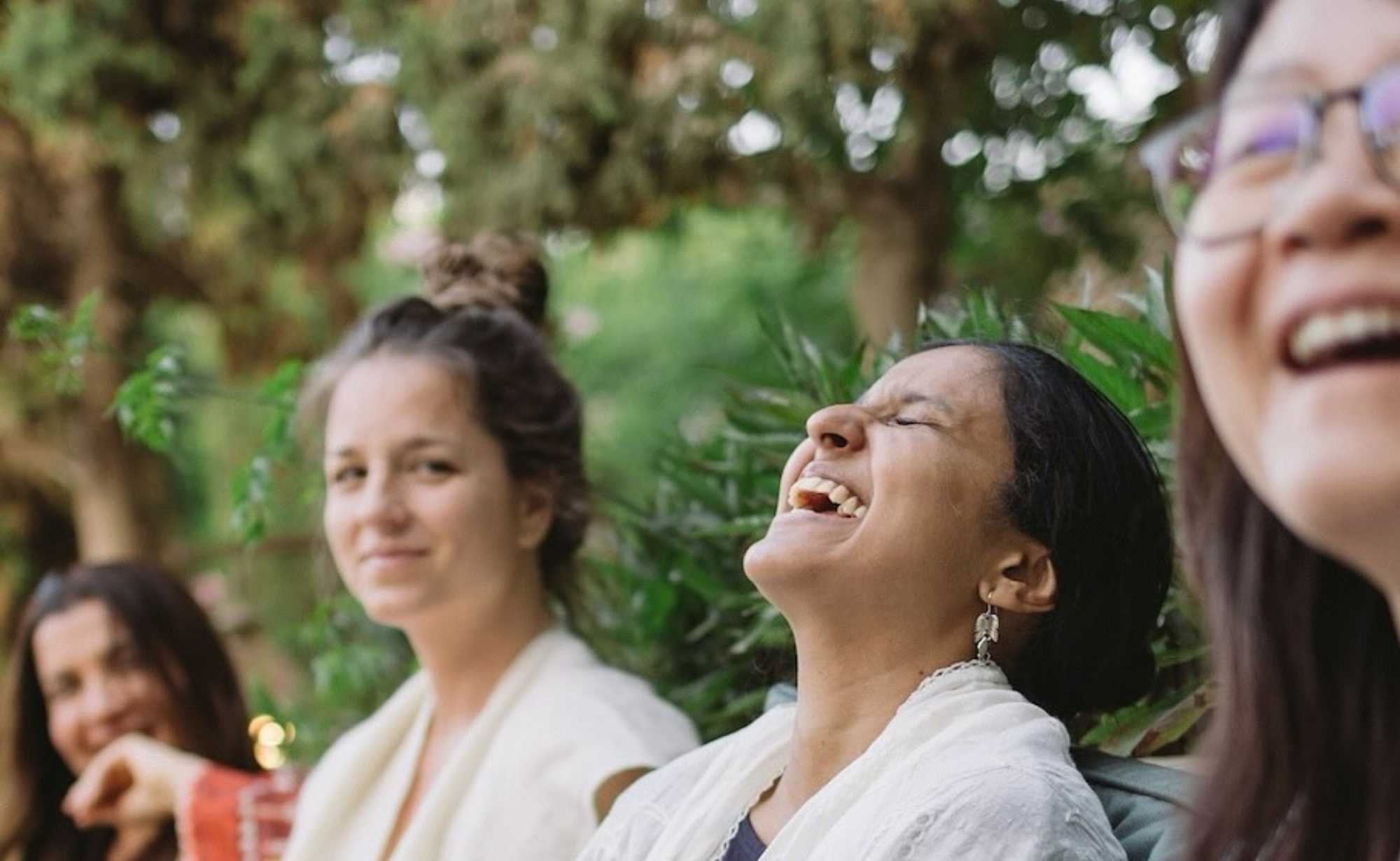 “They’re buying discernment,” she says. “Years of knowing what is worth their time and what isn’t. But more than that, they’re buying access to a different way of experiencing travel.” This often requires undoing the instincts luxury travel itself has trained into people. Particularly American clients, she notes, tend to associate luxury with control: tightly packed itineraries, maximum efficiency, the elimination of uncertainty. Her work frequently involves dismantling that mindset. “The first thing I try to shift is their relationship to time,” she says. “In many destinations, waiting is not an inconvenience. You’re just there, watching life happen until your situation changes.”
When asked about the most memorable request she has received, she recalls a terminally ill woman who decided to stop treatment and spend her remaining year travelling with her children. “She wanted to give them memories of happiness and adventure during her last days rather than sadness and hospitals,” Casewit says. “You realise you’re not just planning a trip. You’re holding something much more fragile.”
“They’re buying discernment,” she says. “Years of knowing what is worth their time and what isn’t. But more than that, they’re buying access to a different way of experiencing travel.” This often requires undoing the instincts luxury travel itself has trained into people. Particularly American clients, she notes, tend to associate luxury with control: tightly packed itineraries, maximum efficiency, the elimination of uncertainty. Her work frequently involves dismantling that mindset. “The first thing I try to shift is their relationship to time,” she says. “In many destinations, waiting is not an inconvenience. You’re just there, watching life happen until your situation changes.”
When asked about the most memorable request she has received, she recalls a terminally ill woman who decided to stop treatment and spend her remaining year travelling with her children. “She wanted to give them memories of happiness and adventure during her last days rather than sadness and hospitals,” Casewit says. “You realise you’re not just planning a trip. You’re holding something much more fragile.”
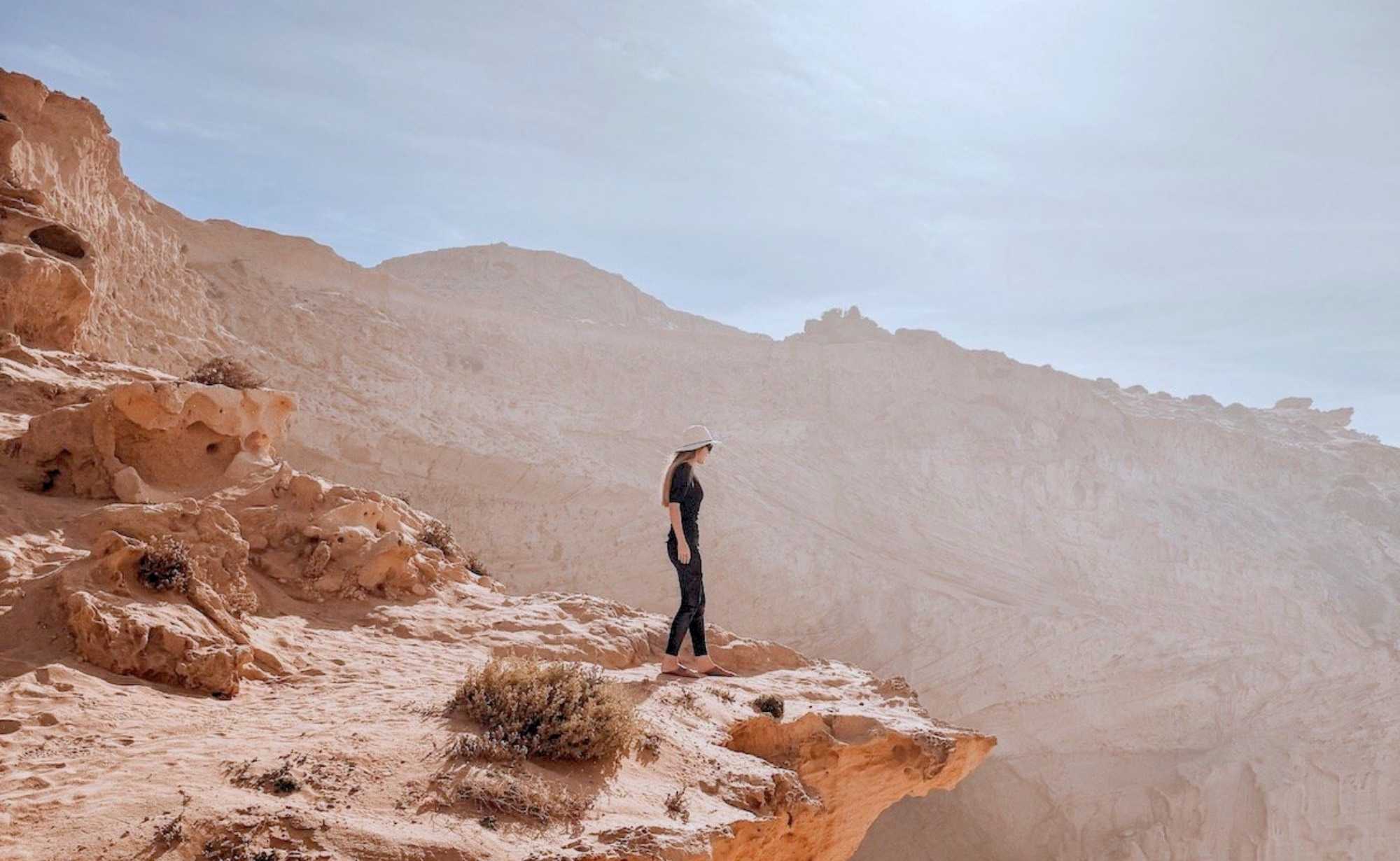
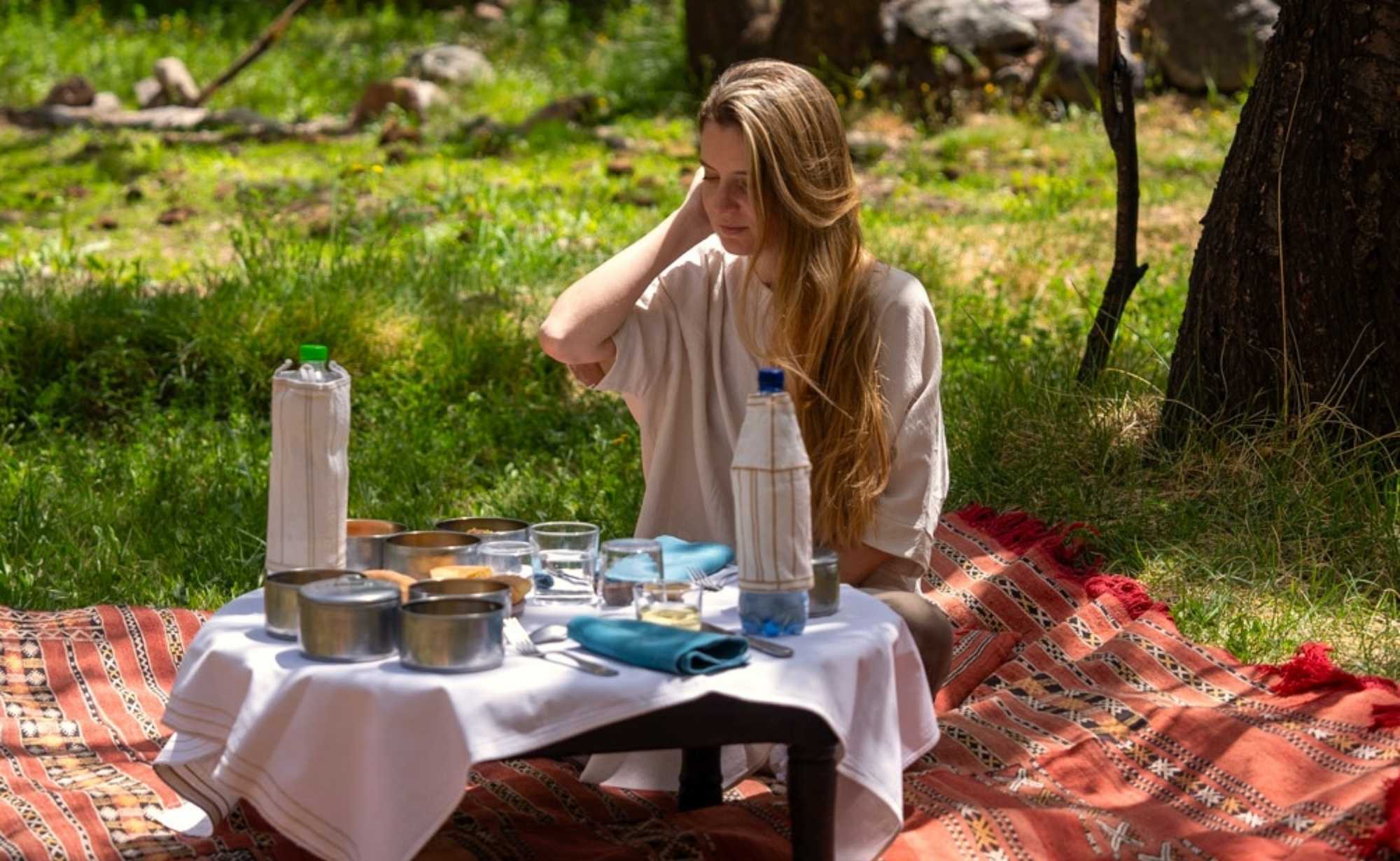
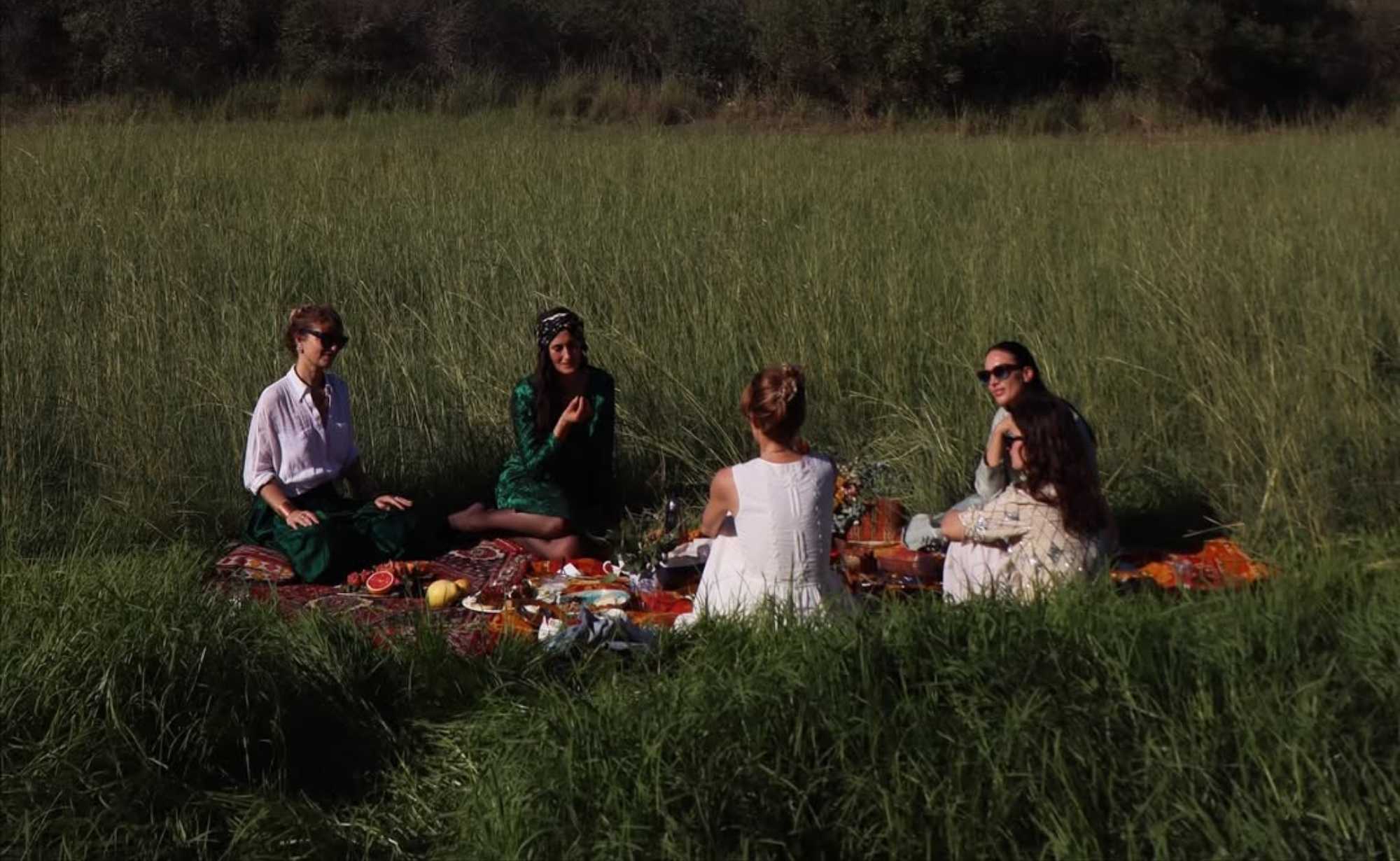 Personally, the journeys that stayed lodged beneath her skin arrived rougher around the edges. A meal eaten in silence with strangers in the Atlas Mountains. A long drive through Patagonia where the landscape became so vast it dissolved language entirely. A night in the Sahara where the absence of signal, electricity, and distraction forces everyone around the fire to confront the archaic act of simply speaking to one another. “Discomfort is often where the transformation happens,” she says. “Not danger, not suffering. But the loss of constant stimulation.”
This is perhaps the central contradiction of her work: she operates inside one of the most privileged corners of the travel industry while gently attempting to dismantle some of the very instincts that privilege produces. Luxury, for most, is the art of removing inconvenience. But in Sarah Casewit’s telling, it’s all about “being in the right place, at the right time, with the right people—whether that’s in a penthouse or a hut.”
Personally, the journeys that stayed lodged beneath her skin arrived rougher around the edges. A meal eaten in silence with strangers in the Atlas Mountains. A long drive through Patagonia where the landscape became so vast it dissolved language entirely. A night in the Sahara where the absence of signal, electricity, and distraction forces everyone around the fire to confront the archaic act of simply speaking to one another. “Discomfort is often where the transformation happens,” she says. “Not danger, not suffering. But the loss of constant stimulation.”
This is perhaps the central contradiction of her work: she operates inside one of the most privileged corners of the travel industry while gently attempting to dismantle some of the very instincts that privilege produces. Luxury, for most, is the art of removing inconvenience. But in Sarah Casewit’s telling, it’s all about “being in the right place, at the right time, with the right people—whether that’s in a penthouse or a hut.”