






8 MENA Startups Transforming Entertainment & Media
Across MENA, startups are reshaping entertainment through Arabic podcast platforms, localised gaming, digital studios, and tools that help creators distribute, monetise and scale content.

Some of the most interesting media companies in the MENA region are doing the unglamorous work first: building the systems that let Arabic content get made, found, paid for, and repeated. That means podcast infrastructure, independent audio networks, Arabic-first gaming, kids’ edutainment, celebrity-fan products, and vertical drama built for phones instead of theatres. These are still startup-sized businesses, but they point to where the region’s entertainment and media market is actually shifting.
Podeo
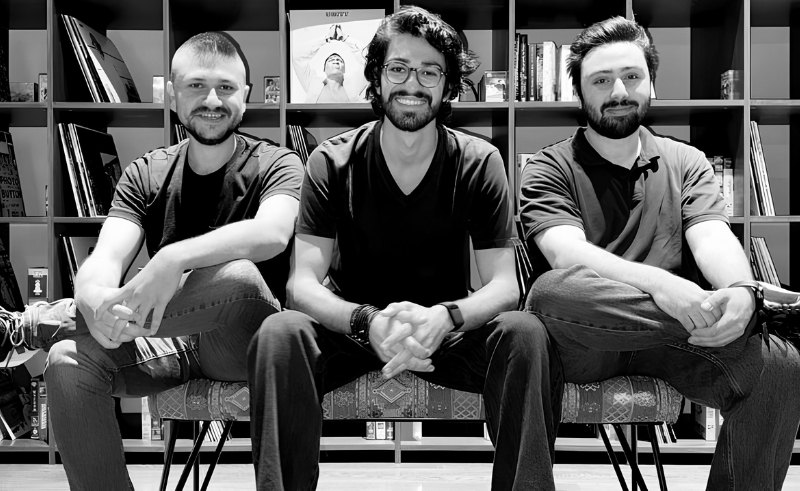
The podcast boom in Arabic has outgrown the tools built around it, and Podeo is trying to close that gap. Founded in 2020 in Beirut, Lebanon by Stefano Fallaha (CEO), Anthony Essaye, and Mario Hayek, the platform operates across MENA as an all-in-one podcast ecosystem with distribution, analytics, and ad tools built for creators and publishers. It now works with more than 100,000 creators and reaches 50 million+ listeners, with its most recent funding round a $5.4M Series A in September 2024.
Hakawati
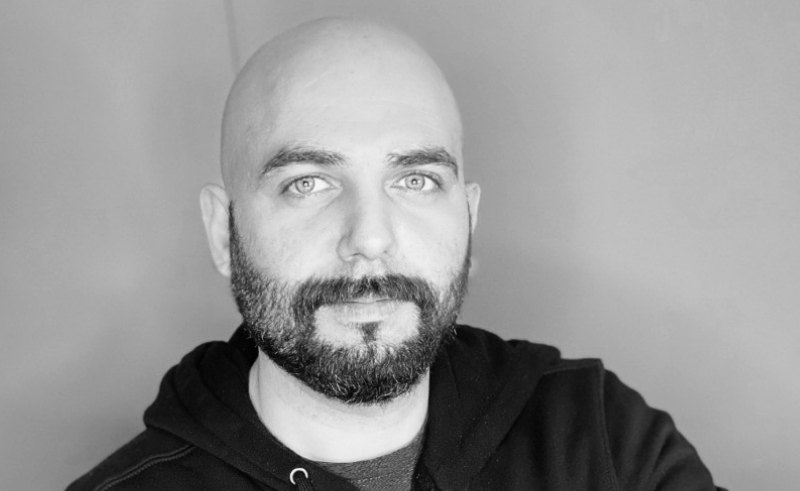
Some companies go after volume; Hakawati goes after the shape of the medium itself. Founded in 2019 in Beirut, Lebanon by Karim Beidoun and Gina Abou Hamad, the Arabic podcast network operates across MENA as a production-led audio studio. It builds and monetises spoken-word content across audio dramas, comedies, talk shows, educational content, and audiobooks, with in-house production and ad integration baked into its model — positioning it closer to a full audio studio than a traditional publisher.
Sowt
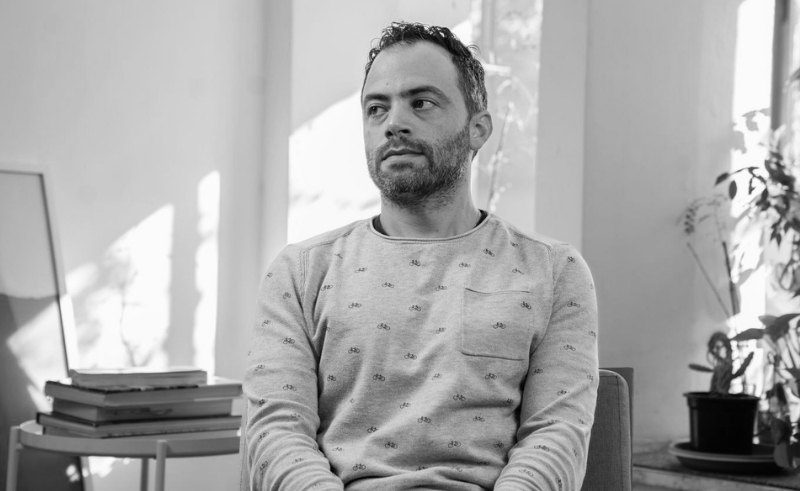
Sowt feels like a media company that understood podcasting before the market fully caught up. Founded in 2016 in Amman, Jordan by Hazem Zureiqat and Ramsey Tesdell, it operates across MENA as a media hub rooted in journalism. Its catalogue has surpassed 44 million listens globally across nearly 1,500 episodes, while its Zamakan network was built to support independent podcasts in finding audiences and revenue, turning Sowt into more of an infrastructure play than a simple content producer.
Thmanyah
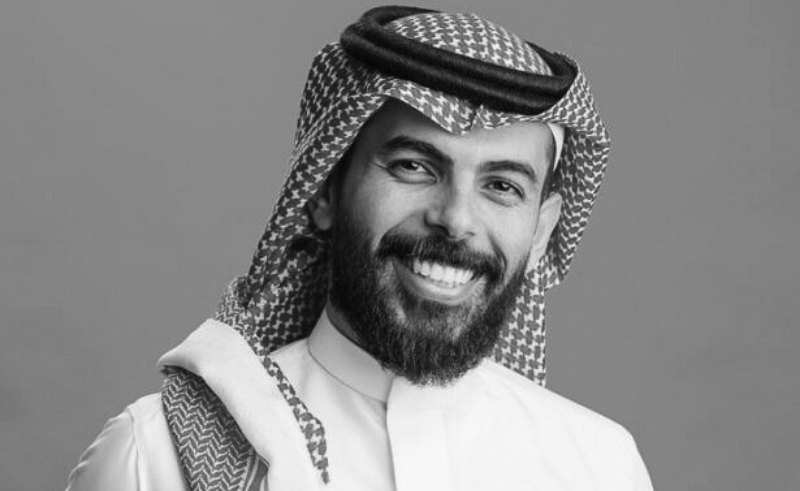
Thmanyah is what happens when a media company decides that depth should still feel usable. Founded in 2016 in Riyadh, Saudi Arabia by Abdulrahman Abumalih, it operates across MENA with a mission to reshape Arabic journalism culture. Its platform spans podcasts, series, films, and sports coverage across more than 30 topics, and after its $9M acquisition by Saudi Research and Media Group (SRMG), it has continued evolving into a product-led storytelling ecosystem rather than a traditional newsroom.
Tamatem Games
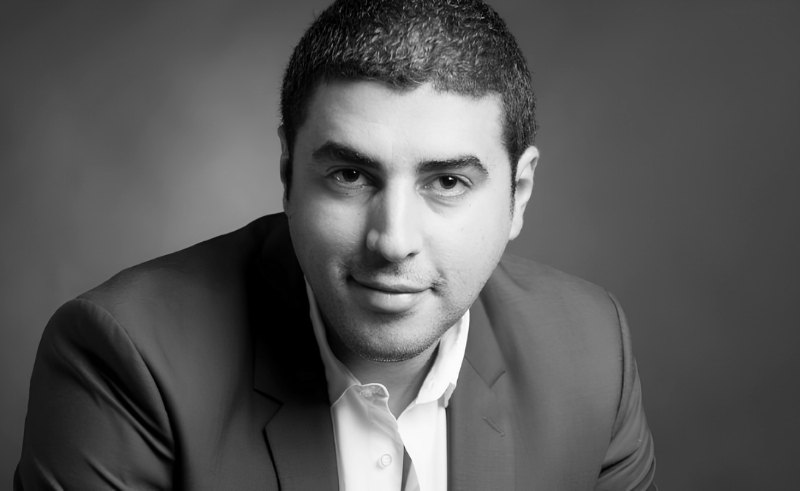
Tamatem took Arabic gaming seriously before “localisation” became an easy buzzword. Founded in 2013 in Amman, Jordan by Hussam Hammo, it operates across MENA as a mobile game publisher partnering with international developers to localise and culturally adapt games for Arabic-speaking players. With over 150 million downloads and a $11 million Series B raised in December 2021, it helped turn Arabic-first gaming into a legitimate publishing market rather than a niche adaptation layer.
Lamsa
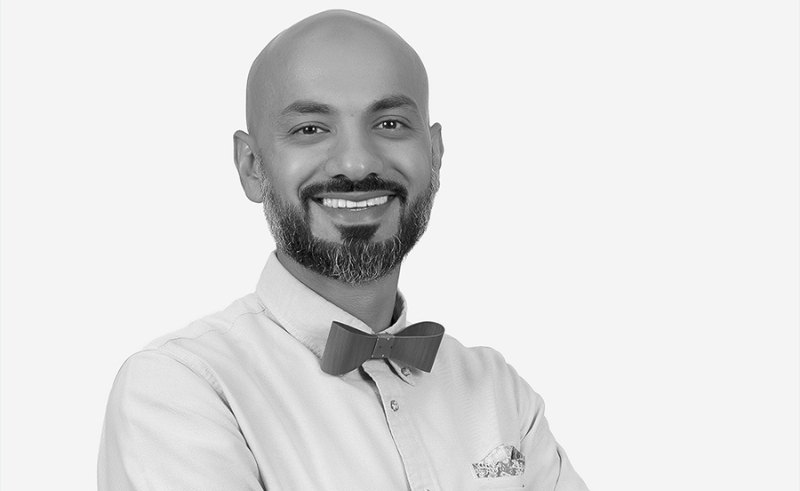
Children’s content in Arabic has long been one of those obvious gaps that somehow stayed open. Founded in 2011 in Abu Dhabi, UAE by Badr Ward, Lamsa operates across the GCC as a bilingual early-childhood platform built around interactive stories, games, songs, and videos in Arabic and English. Its focus sits less on passive content and more on structured educational screen time designed for early learning.
Minly
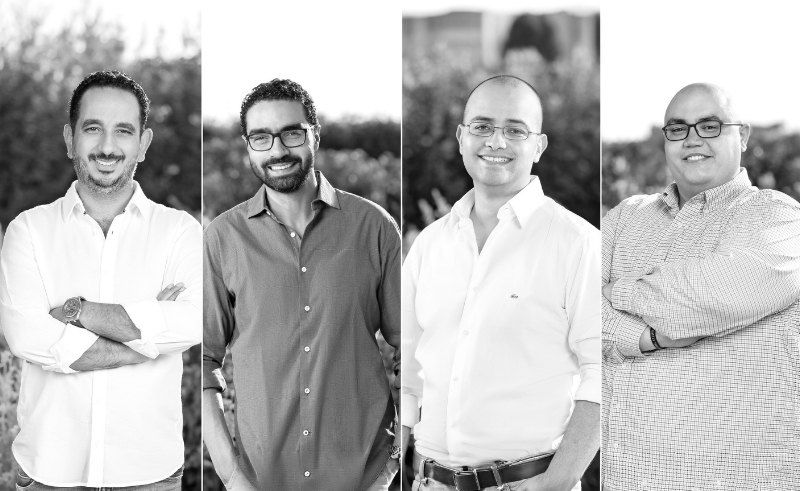
Celebrity fandom is usually treated as traffic; Minly turns it into a product. Founded in 2020 in Cairo, Egypt by Mohamed El-Shinnawy, Tarek Hosny, Bassel El-Toukhy, Tarek ElGanainy, and Ahmed Abbas, the platform operates across MENA by allowing fans to purchase personalised video messages, attend live virtual events, and interact directly with celebrities, athletes, and influencers. It sits squarely in the entertainment layer where attention becomes a monetisable experience rather than just engagement data.
- Previous Article Egypt-Based Etawa3 is Building a Sports Volunteer Pipeline
- Next Article In Ahmed El Badawi’s ‘River Guardians’, Light Is the Hero
Related Articles

Trending This Week
-
 Apr 26, 2026
 -

-
-