





A Heritage Fanatic’s Guide to AlUla
From ancient tombs to desert trails, AlUla offers 200,000 years of history etched into its landscape— here’s where to start exploring.

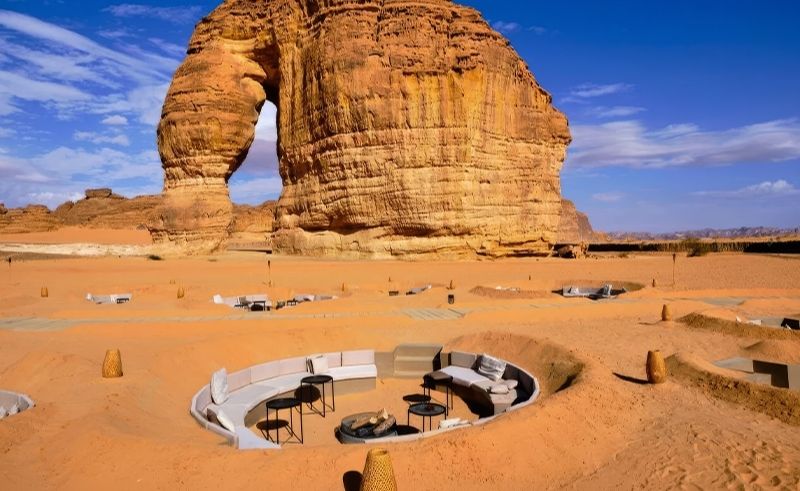
Saudi’s cultural heritage treasures are often overshadowed by its grand mosques and the cities they define. But beyond these landmarks lies AlUla - a vast, open-air archive where over 200,000 years of human history are etched into sandstone, inscriptions and ancient trade routes. Home to monumental sites like Hegra, ancient capitals such as Dadan and the inscription-filled cliffs of Jabal Ikmah, AlUla offers a landscape where heritage isn’t confined to museums, but embedded in every valley, rock face and restored pathway.
From ancient tombs and archaeological sites to heritage trails and cultural experiences, here are some of the key places and activities to explore in AlUla.
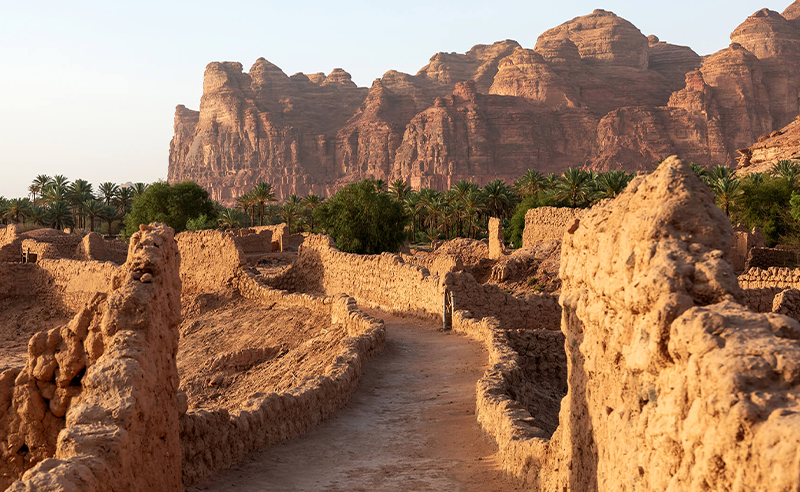 Wander the Heritage Trails
If you’re a walker or a hiker, then you’re spoiled for choice when it comes to AlUla’s trails. The trail -- home to palm trees, farms and ancient dwellings – links AlUla’s Old Town to Dadan allows you to wander AlUla’s Oasis Heritage trail spanning 3km in roughly 1.5 hours, all while you get to immerse yourself in the natural beauty of the Oasis. Alternatively, there’s the Al Harra Hike, a short but challenging hike to the Madakheel Plateau.
Despite its steep landscape, it offers stunning views and breathtaking panoramas making it undeniably worth the three-hour long hike. The Sharaan Nature Reserve offers its visitors with two options – the first being the Hidden Valley Hike. The three-hour excursion is a 4km hike through the sandy landscape, allowing visitors to immerse themselves in nature and to admire the rocky landscapes of AlUla. The Reserve offers another alternative, that being the Sharaan Reserve Hiking Trail, offering the participants with a 6km hike while exploring ancient rock formations, winding trails and breathtaking valleys in the heart of AlUla.
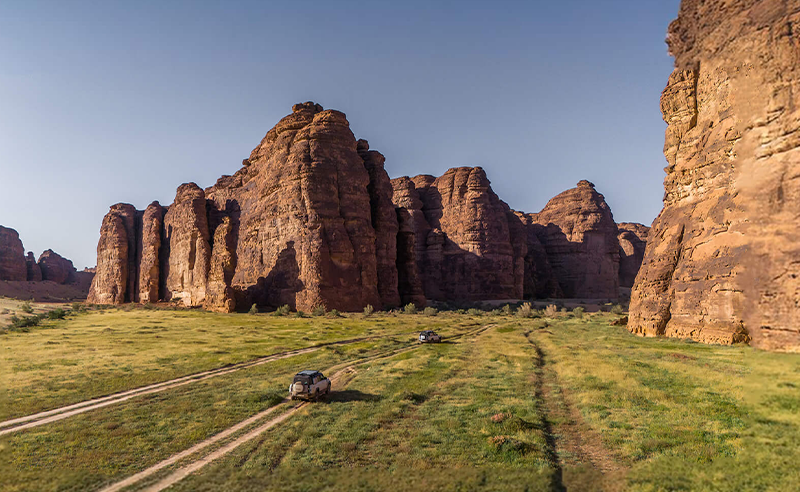 Sharaan Platinum Safari
The Sharaan Safari offers a different kind of engaging cultural heritage experience as it immerses the participants in local folklore as they drive by expansive canyons, allowing them to pause and engage with landscapes. And whether participants opt for the Lunch or Dinner safaris, they get to enjoy hearty meals to end their unforgettable explorations of AlUla’s vast landscapes.
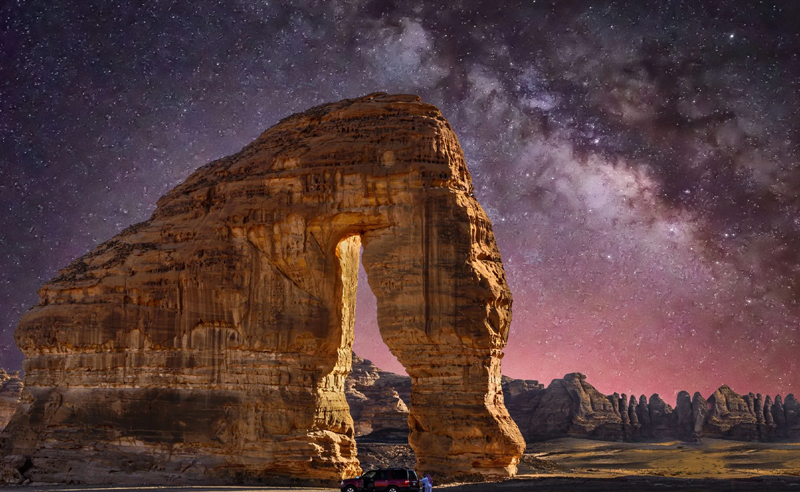 Stargazing at Gharameel
AlUla’s Gharameel offers visitors with the perfect stargazing location – a location framed by mesmerising rock formations. Taking place specifically on full moon night, visitors will be guided through a short walk to admire the surrounding landscape of the area before settling in to view the night sky. On darker nights, the tour will focus solely on stars and constellations, offering visitors with a now rare experience of seeing a star-filled night.
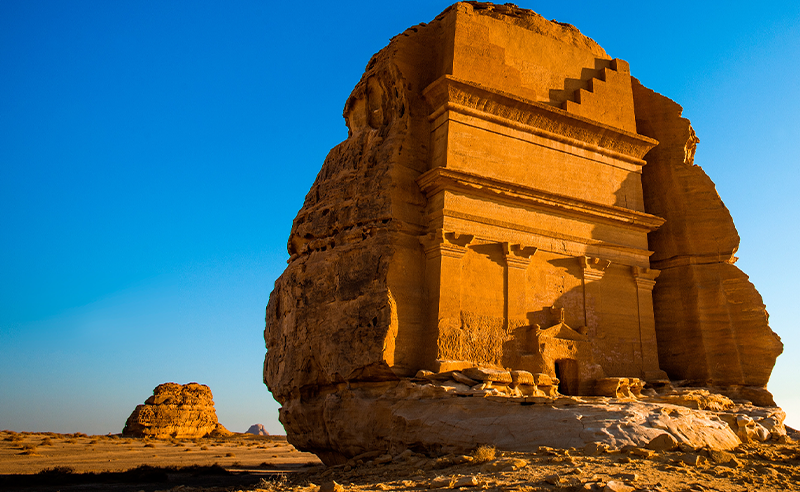 Hegra
Hegra
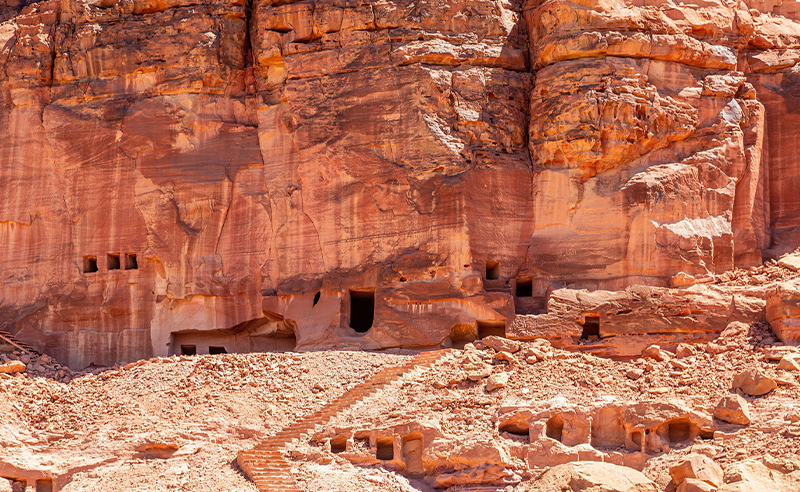
Known as the sister city to Jordan’s Petra, Hegra – also referred to as Madāʾin Ṣāliḥ -- is noted as the Kingdom’s first UNESCO world heritage site to be inscribed. It consists of over 110 well-preserved burial tombs carved into sandstone outcrops from the 1st millennium BCE. The chambers – where the Nabataean elite were buried – carry inscriptions describing those buried such as healers, military figures or local leaders. It is also home to a set of wells, most of which had been sunk into the rock, many of which still operate, acting as a testament to the Nabataeans’ architectural accomplishments and hydraulic expertise.
 Dadan
Dadan
Once the capital of the Dadan and Lihyan kingdoms over two millennia ago, this archaeological site is home to tombs that are skilfully set within red rock cliff faces as well as cliffside carvings placed as high as 50 metres high. The carvings, referred to as Guardians of Dadan, are believed to have belonged to elite members of Dadanite society and acted as symbols of strength and protection as they stood guard over this burial site.
This site includes an exclusive immersive exhibition – presented in Arabic, English and Mandarin – showcasing ancient inscriptions, cliffside tombs and an expertly curated display presenting Dadan’s role as the nexus of cultural practice, global exchange and continued settlement. This exhibition presents five themed zones of which are Crafts and Daily Life, Exchange and Trade, Ancient Beliefs and Rituals, Scripts in Stone and Umm Daraj.
 Jabal Ikmah
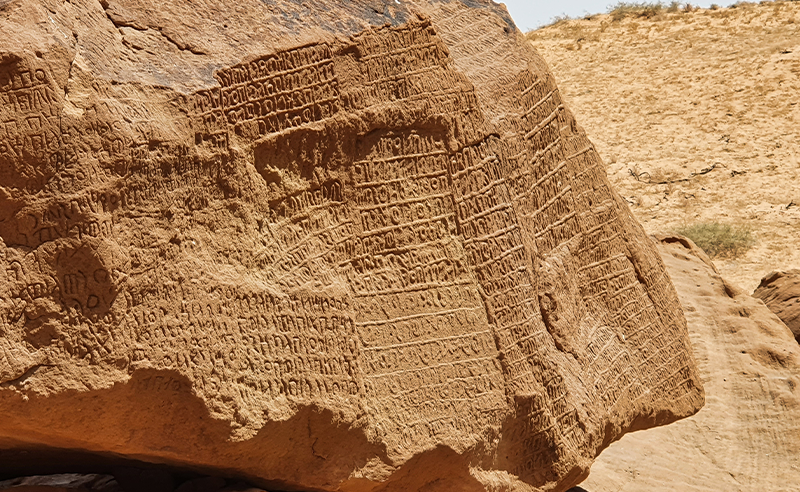
Despite the belief that Jabal Ikmah’s origins appear to have been that of a place of worship, it was dubbed AlUla’s ‘open-air library’ as it is home to countless of inscriptions and stories that had been carved into its mountain walls, making it the highest concentrated site of inscriptions in the region. Written in a local script called Didanitic, a script that omits representation of vowels in words, many of the lines are still well preserved and clearly discernible today.
 AlUla’s Old Town
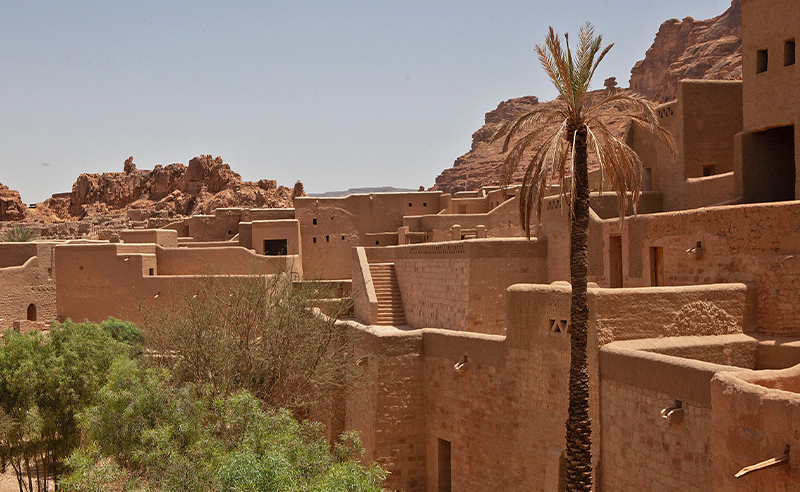
This maze-like 800 year-old settlement stood on ancient incense trading routes and was once a key settlement on the pilgrimage path from Damascus to Makkah. Home to 900 houses, 500 shops and five town squares made of original stone and mudbrick buildings, this town carries inscriptions dating back to the first millennium BCE and is suspected to have been recycled from the ruins of earlier Dadanite period buildings.
While the Old Town was a main stopping point for pilgrims at some point in history, it held even more religious significance for many Muslims as it was home to Masjid Al-Itham (Mosque of Bone). While passing through the valley on his way to battle, Prophet Muhammed (PBUH) was unable to find suitable stones to mark the qibla while looking for a place to pray and so he used bones to mark it instead before praying on the very spot where the mosque now stands in the southeast corner of the town.
- Previous Article Omani Fascano Raises $10M to Scale Cloud Hospitality Platform
- Next Article flydubai Launches Daily Direct Flights From Dubai to Bangkok