



From Picasso to KAWS: 16 Artists Collide at Opera Gallery Dubai
From KAWS' monumental sculpture to Picasso's late-career drawings, 'Summer Vibes' gathers 16 artists across generations for a show running through August at Opera Gallery Dubai.
KAWS' 'Companion' stands grey and battered at the centre of the room, eyes crossed out, expression flattened into nothing. It's a strange way to open a show that also includes a 1958 Picasso drawing the size of a postcard, but that contrast is more or less the point. 'Summer Vibes' runs at Opera Gallery Dubai from July 1st through August 31st, and across two months it stacks 16 artists against each other with little regard for chronology.
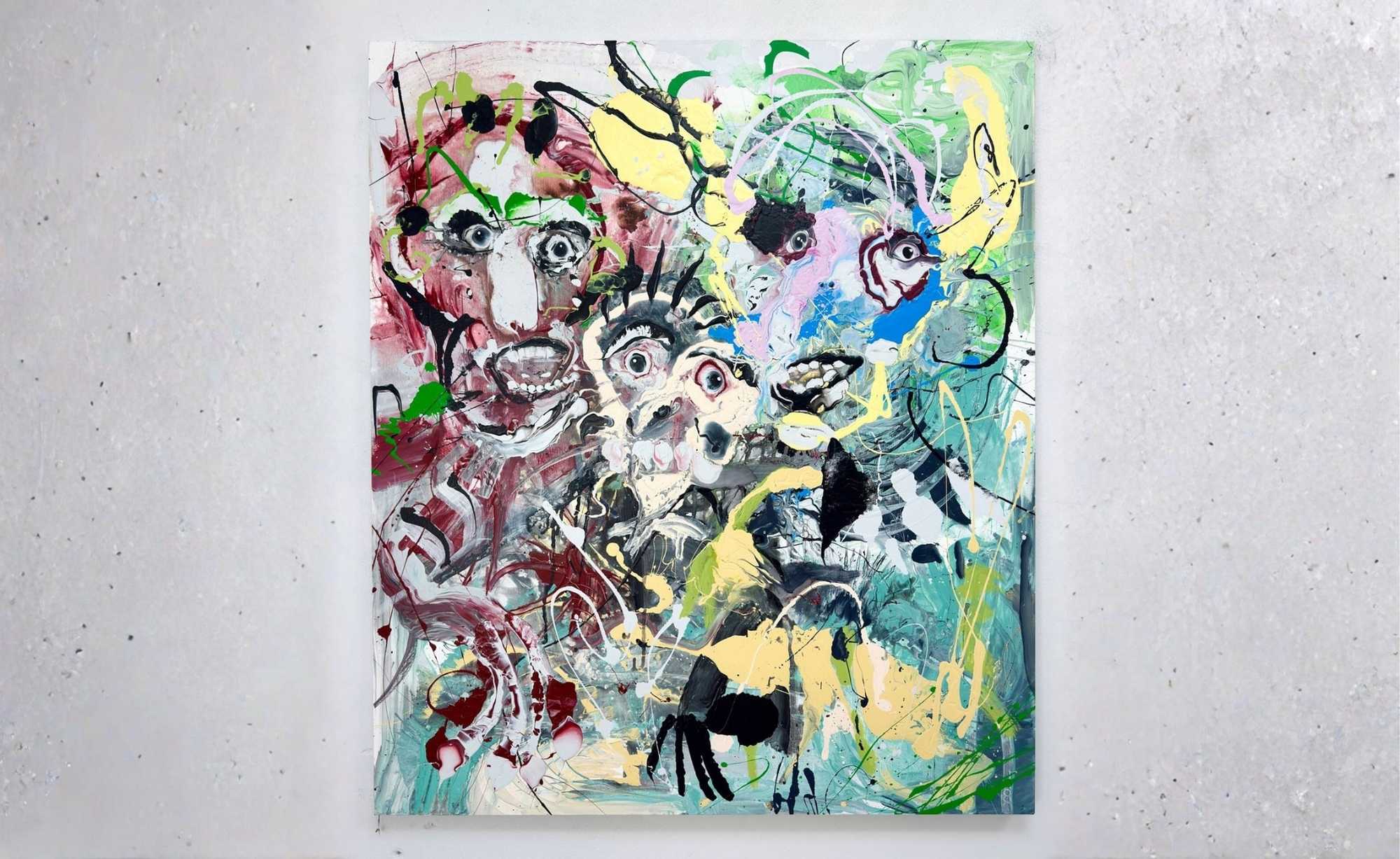 Fernando Botero, Marc Chagall, Pablo Picasso, André Brasilier, Sam Francis, Yayoi Kusama, Shepard Fairey, Julian Opie, KAWS, Gustavo Nazareno, Noel Anderson, Joe Black, Thomas Dillon, Miguel Sainz Ojeda, Xevi Solà, Pieter Obels, and Manolo Valdés all appear, and the spread is wide enough to cover modern figuration, pop, and pure abstraction in the same afternoon. Chagall and Picasso carry the show's older, more symbolic register. Picasso's piece, 'Tête de faune' (1958), is a small drawing in coloured wax crayons, easy to walk past, given the company it keeps, but worth slowing down for.
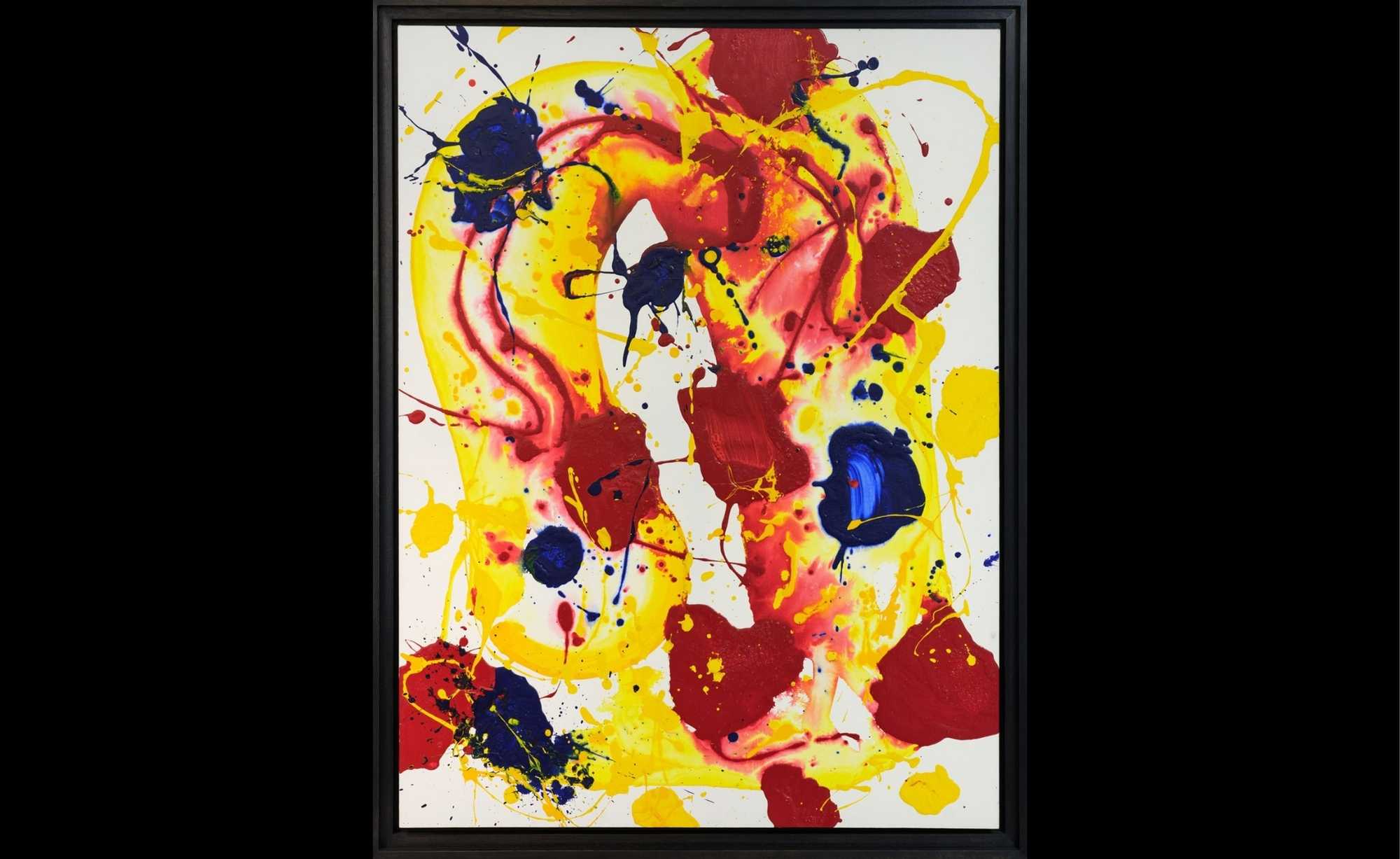 Elsewhere, the abstraction gets louder. Sam Francis and Yayoi Kusama end up in the same room, both working through repetition rather than recognisable form. Francis spent his career moving between California, Paris, and Tokyo, and by the time he painted the untitled 1986 canvas on view here, he'd long since arrived at the loose, splash-and-drip style critics often call his "open" period, colour breaking across white space rather than filling it. Kusama's 'Original Infinity Nets', from 2000, sits nearby doing something similar with pattern instead of gesture.
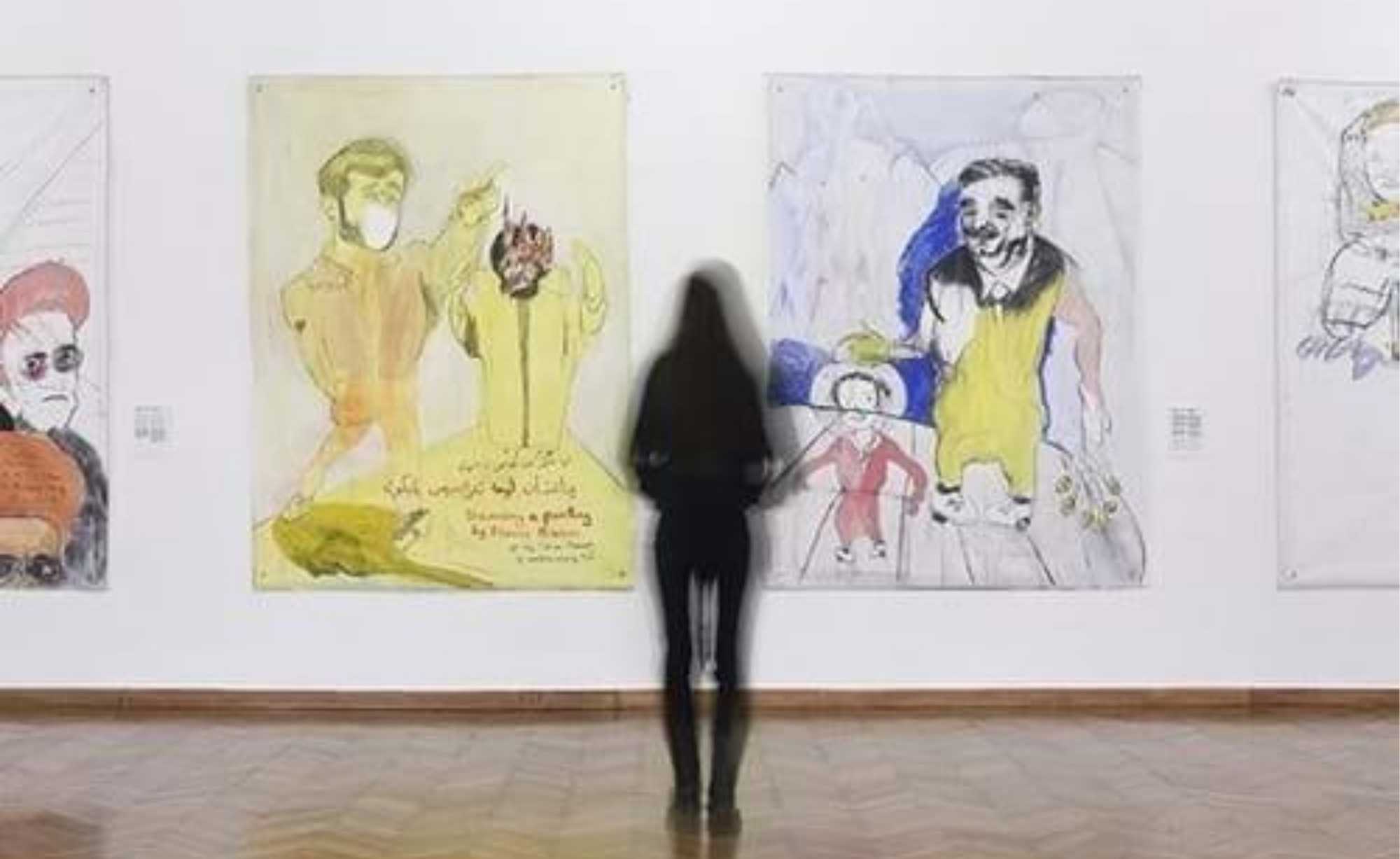
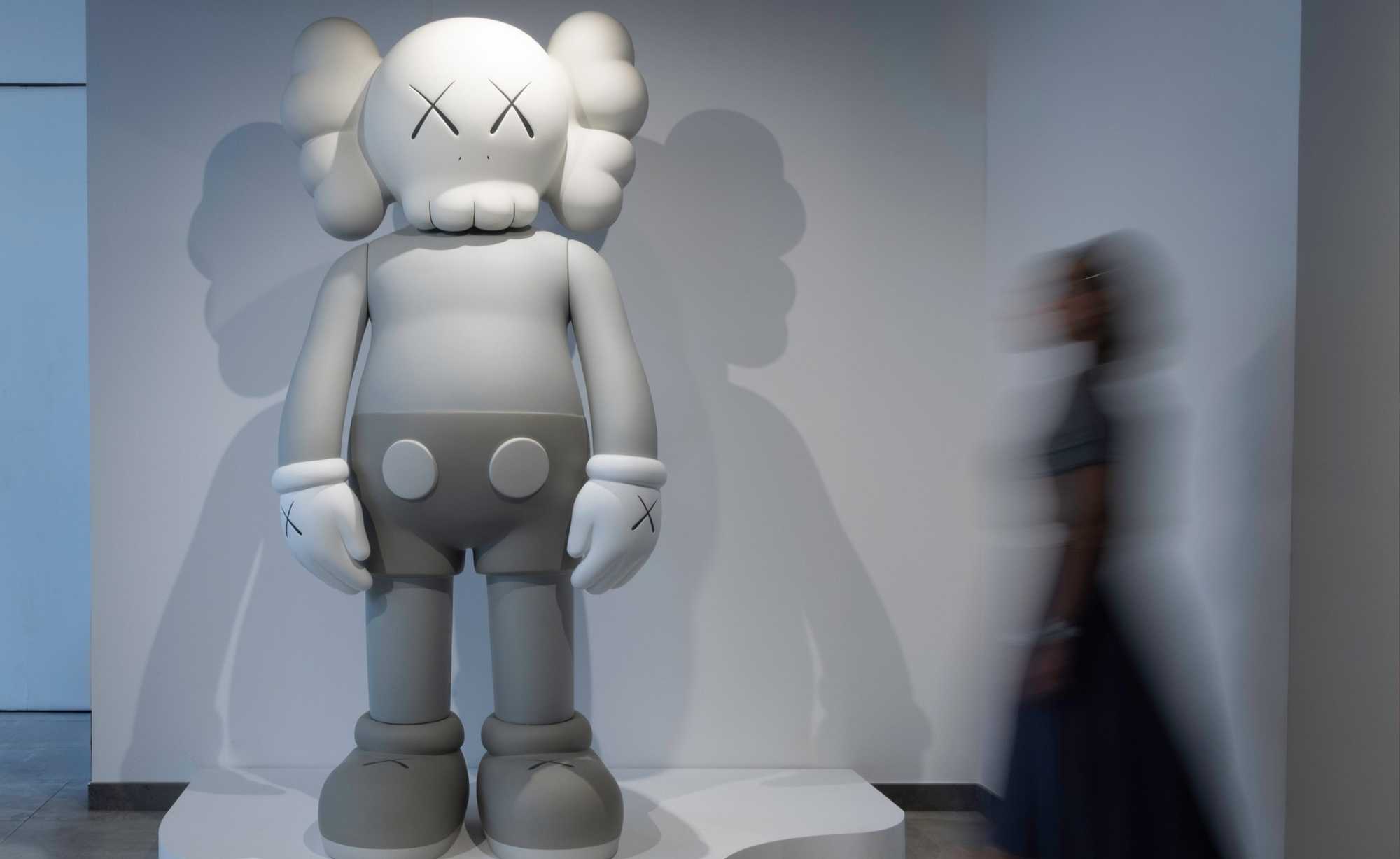 The contemporary half of the exhibition pulls in a different direction entirely. Shepard Fairey's politically loaded imagery and KAWS' oversized 'Companion' feel current in a way the older work doesn't try to be, while Joe Black's assemblages and Noel Anderson's textile pieces push at what the show's materials are even allowed to look like. Julian Opie goes the other way — his portrait 'Hirofumi with Hat' (2005) is vinyl stretched over wood, flattened down to colour blocks and a handful of lines, with none of the texture or visible mark-making you'd expect from a painted portrait. It reads more like signage than likeness, which is exactly Opie's point.
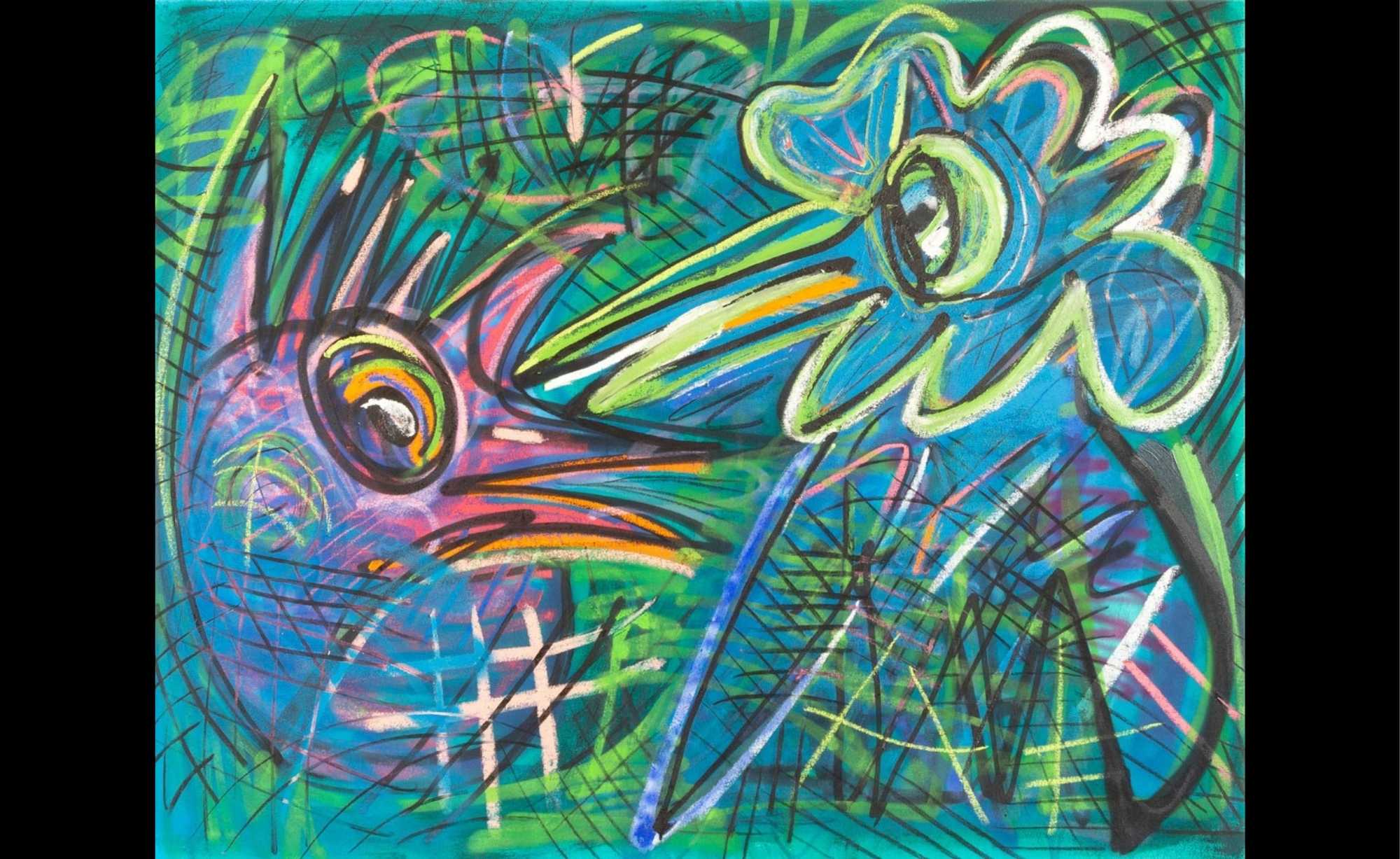 Figuration hasn't disappeared, it's just changed shape. Gustavo Nazareno works in myth, Xevi Solà in narrative scene-setting, and Miguel Sainz Ojeda somewhere in between: his 'Confidentes' (2024) shows two bird-like figures rendered in spray paint and charcoal, caught in something between conversation and confrontation. Thomas Dillon and André Brasilier lean softer, both more interested in colour and motion than in hard outlines. Brasilier's 'Bouquet aux deux visages' (1985) fits a pattern he's followed for decades: real subjects pushed just slightly into dream territory, painted in the muted, lyrical palette he's known for.
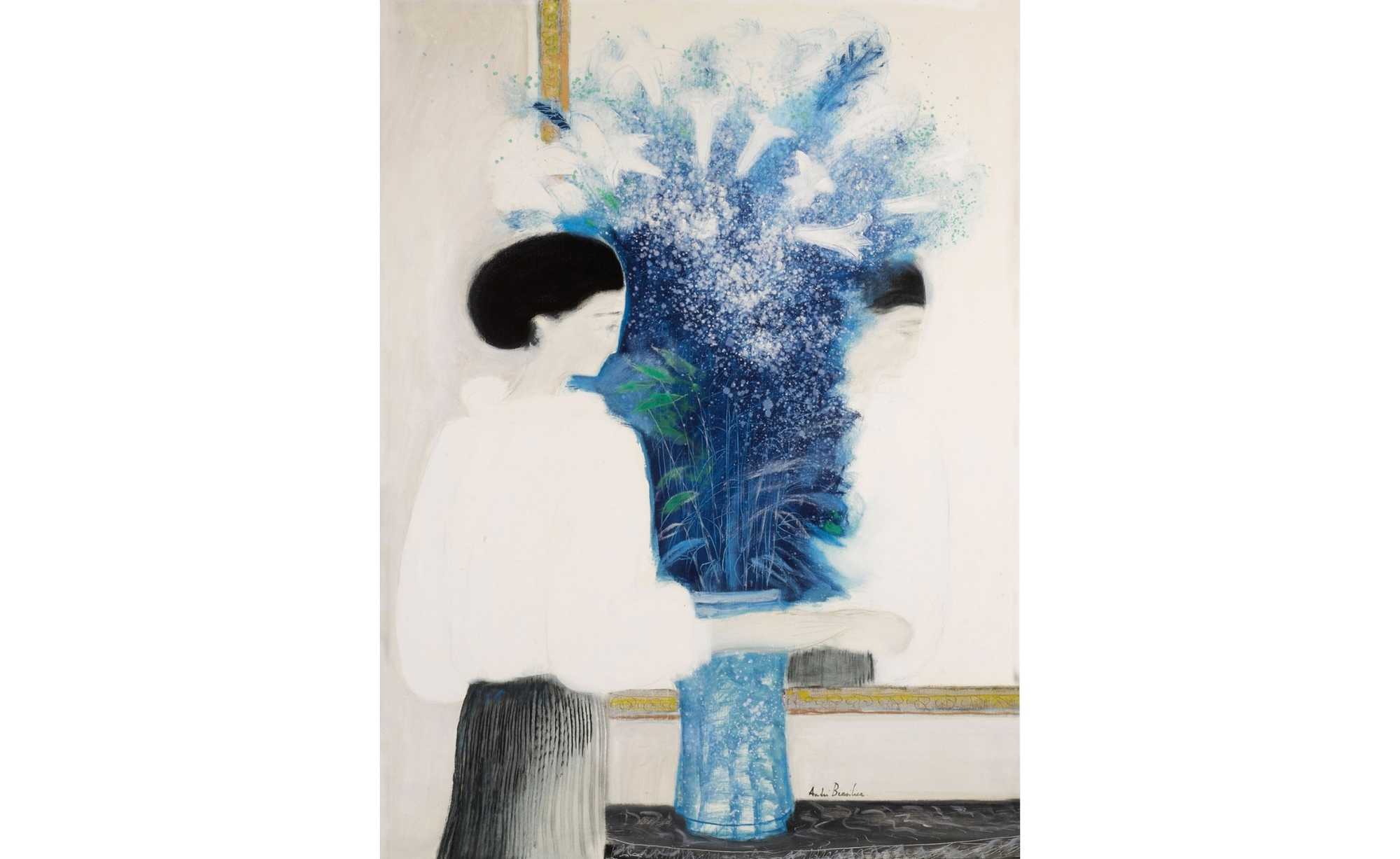 Sculpture closes things out, and the two pieces couldn't be more different. Pieter Obels works in Corten steel, all weight and industrial edge. Manolo Valdés goes the opposite route with 'Vertical Light Blue Butterflies' (2025), a glass and steel head crowned with a swarm of Murano glass butterflies, part of a series he's been developing for several years, pairing a motionless face with something that looks like it's about to fly apart.
Related Articles
Trending This Week
-
-
-
 Sep 28, 2026
 -