



Najla Said Explores Identity & Erasure in Debut Berlin Photo Exhibit
Cultural convergence and experimental photography collide in Najla Said's Berlin debut, a 50-work exhibition tracing what memory preserves and what erasure costs.
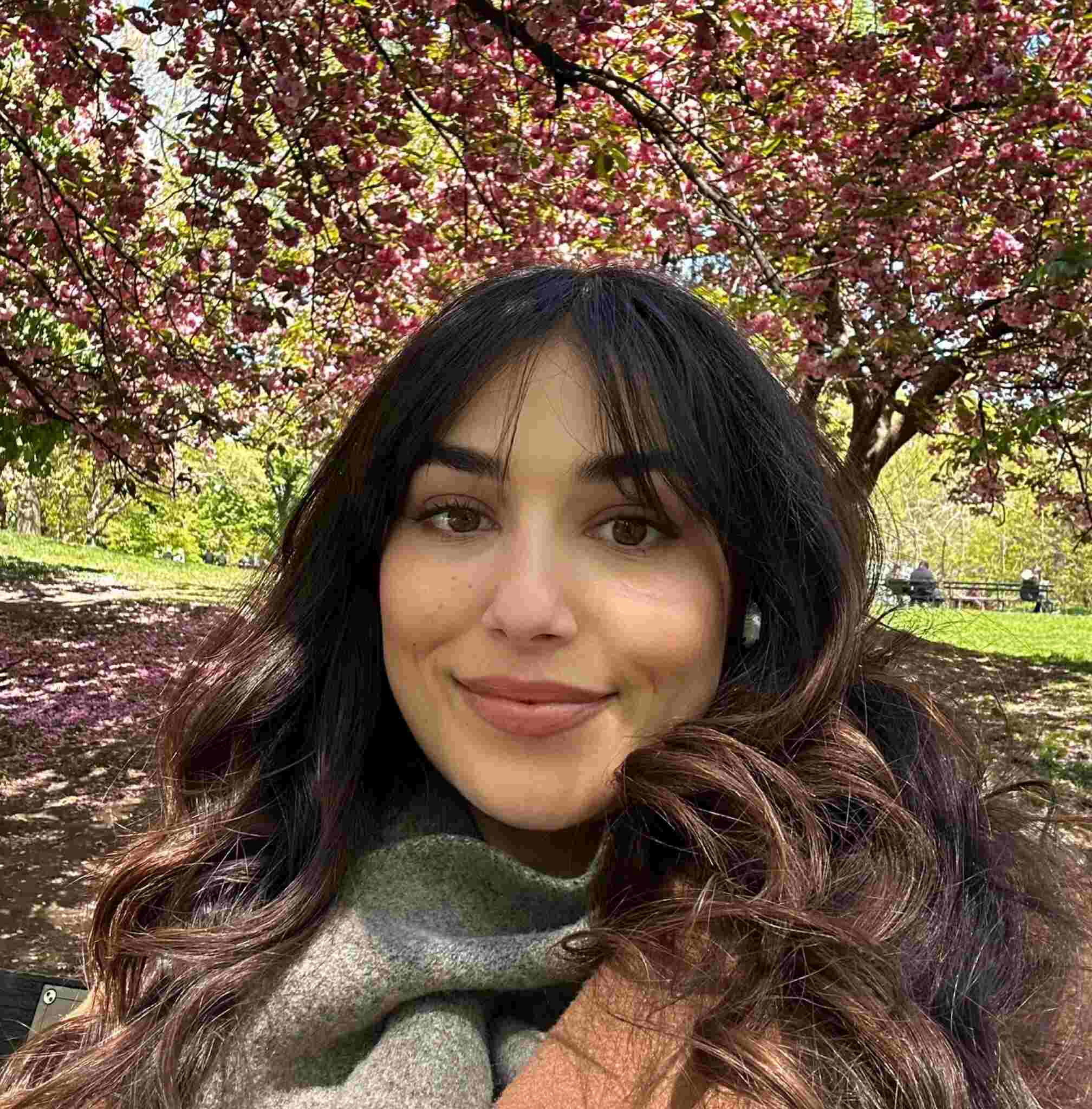
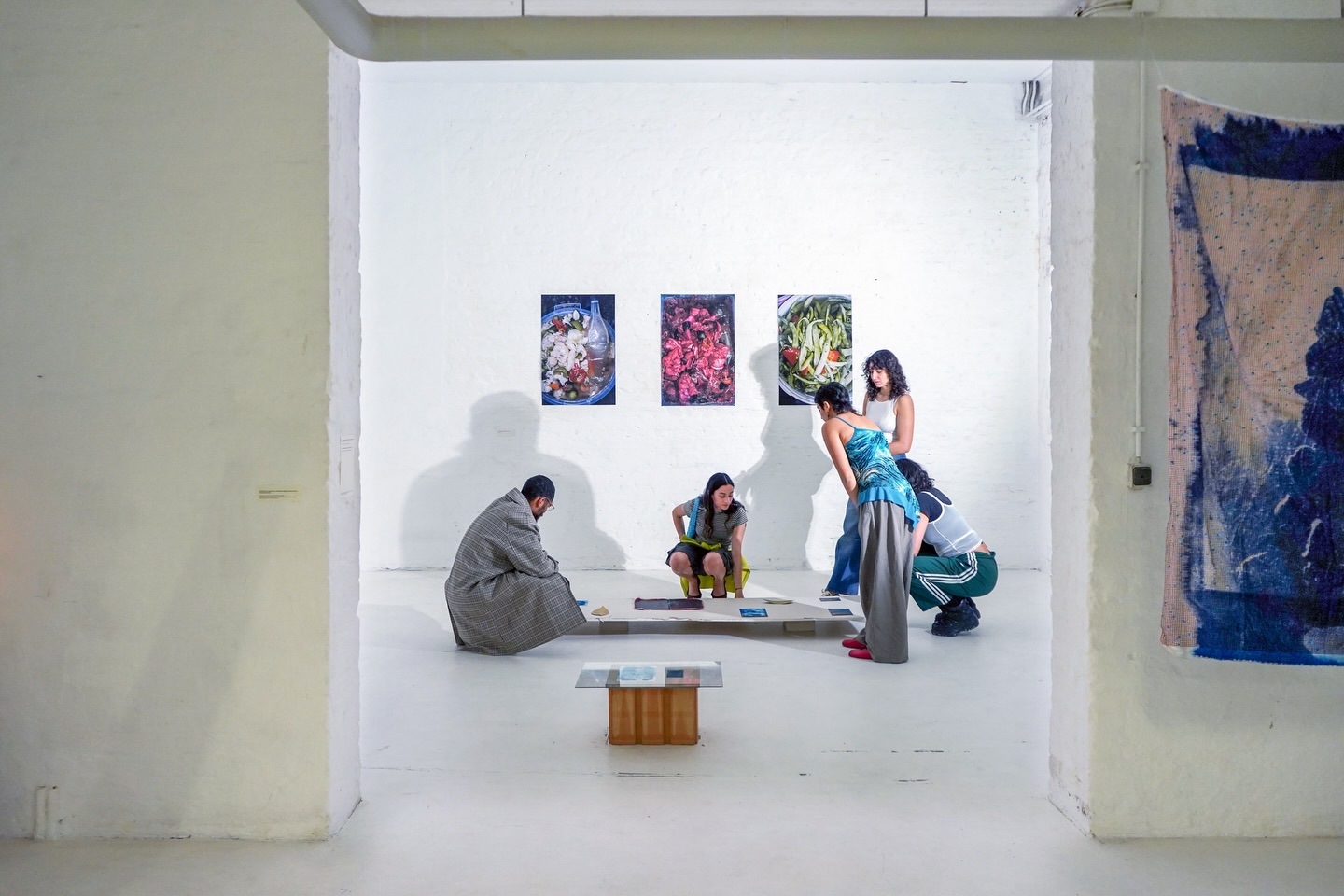
Do you remember that one dish from your childhood, the one your mother made on weekends when she had a little extra time, or the one that reminded you of a warm hug from your grandmother? For Egyptian artist Najla Said, that taste was fenugreek. It moves her across time and geography in an instant, back to a childhood breakfast table in Cairo, where basterma and eggs on a Friday morning meant the specific warmth of a meal that felt undeniably Egyptian.
But when researching an artist residency in Armenia, Said discovered the dish she assumed was an Egyptian staple had actually arrived by Armenian hands. That rupture between memory and history became the seed of her first solo exhibition 'What Remains at the Table', on view throughout May 2026 at Bisabab Leila in partner with Arti Studio in Berlin.
This beloved cured meat sparked a deeper question within Said about the delicate balance between cultural convergence and the destruction of identity. The Armenian diaspora became so integrated into Egyptian society that their traditions were being marketed as Egyptian, which Said describes as a form of erasure.
“Food carries memories,” Said tells CairoScene. “I smelled basterma and immediately thought of such a happy memory. But maybe this food represents something else for someone else. That kind of political baggage is a form of trauma and displacement.”
Said participated in CROSS-LOOKING’s artist residency in Yerevan, a project examining how visual storytelling and documentary practices shape cultural memory and identity across the East-West divide. Looking up every day at the towering peaks of Mount Ararat, which lines the Yaravan skyline and has long been considered a symbol of remembrance of the Armenian genocide and aspirations for a greater Armenian state, Said's residency unfolded inside a geography of unresolved grief.
Said explored the Armenian countryside, where rhythms of daily life had changed little over generations. She met families who grew their own food in backyard gardens, pressed their own wine, baked their own bread, and packed the season's harvest into jars of pickles and preserves that would carry summer through a long winter.
Watching these processes unfold, she became attuned to the hours they demanded. That slowness began to seep into her studio practice. She started working in longer, more deliberate cycles, where lengthy processes became part of the artistic language.
The residency in Yerevan lasted only two weeks, enough time for research and documentation but not for the slow, experimental printing work Said had in mind. So, she returned to Cairo, where the city handed her the second half of the project. Through Melanie Partamian, an Armenian-Greek co-curator who became a key collaborator, Said was introduced to an Armenian woman who had been living in Cairo since the Lebanese civil war and still made basterma by hand in her home kitchen, supplying restaurants and neighbours from the same recipes her family had carried across borders.
Partamian also shared a handwritten recipe book from 1983, kept by her Armenian grandmother and filled with Egyptian and Armenian recipes recorded in Armenian script. Said created prints from its pages.-5249983d-5ac6-49d0-8358-2ad62f6b7ef8.png) “The project was not really about the final images,” Said recalls. “It was rather that I wanted to explore something in analogue photography that would be a bit more parallel to the idea of food. Photography as if it were a form of cooking.”
“The project was not really about the final images,” Said recalls. “It was rather that I wanted to explore something in analogue photography that would be a bit more parallel to the idea of food. Photography as if it were a form of cooking.”
That instinct shaped every technical choice she made. The dominant technique throughout the exhibition is cyanotype, one of the oldest photographic printing processes still in practice, which works by coating paper or fabric with light-sensitive iron salts and exposing them to UV light. The result is that signature deep Prussian blue that saturates the exhibition. To shift it, she had to soak finished prints in black tea, green tea, or hibiscus until the blue gave way to grey, purple or warm brown.
Chlorophyll printing, in which an image is transferred onto a living leaf through prolonged sun exposure, resists the idea of a finished product. The image appears over roughly a week, formed entirely from the leaf's own pigments rather. Once displayed, it keeps changing. By the end of an exhibition run, what was once a legible image fades into a relic of the original thought, leaving the evolving image up to the interpretation of the viewer.
“Because the whole starting point was a memory for me, I feel like it's really on brand for the project to have images that also change over time or fade,” Said tells CairoScene.
Not only her style but also her materials were unconventional: cyanotypes appear on Egyptian tea bags, vintage food packaging sourced from Diana Market in Cairo, and sour lavash, the Armenian fruit leather that doubles as an actual edible material.-e046c1ef-127d-4177-9c6c-16877c3120cf.png) One piece, printed on the lavash and backlit by a candle during installation, took on something close to a sacred quality, glowing and translucent.
One piece, printed on the lavash and backlit by a candle during installation, took on something close to a sacred quality, glowing and translucent.
-bd75f59f-7211-456f-8a1d-81be90237496.png) A separate process, Polaroid emulsion lift, involves carefully separating the gelatin image layer from its plastic backing and laying it onto another surface, where it settles into soft folds and creases that give the illusion of depth and dimension.
A separate process, Polaroid emulsion lift, involves carefully separating the gelatin image layer from its plastic backing and laying it onto another surface, where it settles into soft folds and creases that give the illusion of depth and dimension.
Said’s work fittingly finds its temporary home in Berlin, a city that has spent decades learning to hold rupture and memory in public space. Curated by Sarah Hachem and Mohamed AbouGabal, 'What Remains at the Table' is her Berlin debut, and its most complete iteration, with more than 50 works on view.
- Previous Article SceneNoise x Amsterdam Dance Event Present CROSSFADE: Egypt
- Next Article The Abandoned Architecture of Villa Badran by Gamal Bakry
Related Articles
Trending This Week
-
-
 Oct 15, 2026
 -
-