




How do Egypt's New Short-Selling Rules Work?
A new regulatory framework outlines how shares can be borrowed, sold, and monitored under tighter risk controls.

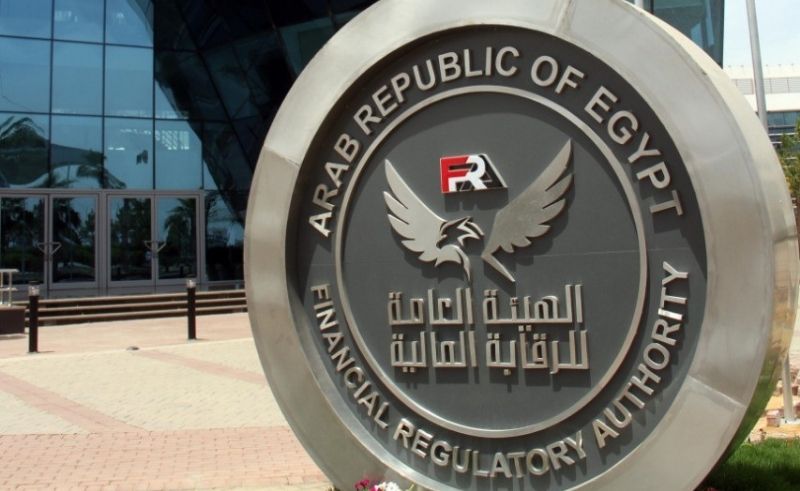
Egypt’s Financial Regulatory Authority (FRA) has introduced a new framework governing securities borrowing for short selling. The rules aim to improve market efficiency, increase liquidity on the Egyptian stock exchange, and ensure stronger safeguards for investors through stricter collateral requirements, exposure limits, and centralised oversight.
Under the framework, all securities lending will be conducted through Misr for Central Clearing Depository and Registry, with strict collateral requirements, exposure limits, and daily monitoring of positions. Brokerage firms must also meet new capital and operational standards before offering the service.
The following explainer breaks down how the new system works and what the rules mean for investors and market participants.
What is Short Selling?
Short selling allows investors to profit from falling share prices. The process begins when an investor borrows shares to sell them immediately on the open market. The goal is to buy the shares back later at a lower price to return them to the lender, allowing the investor to pocket the difference as profit.
How the New System Works
All securities lending transactions will be handled through a centralized platform operated by Misr for Central Clearing Depository and Registry (MCDR). This system ensures real-time monitoring and transparent execution. To ensure fairness, the platform follows a specific hierarchy for fulfilling borrowing requests. Priority is given first to the lowest lending rate, followed by the longest lending duration, and finally by the order in which the requests were submitted.
Collateral Requirements
To mitigate risk, the FRA has set high barriers for entry. Investors must provide cash collateral equal to 150% of the value of the borrowed shares before a transaction can be executed. This total is comprised of the full 100% value of the borrowed shares plus an additional 50% cash margin, a structure designed to protect lenders and stabilize the market during periods of high volatility.
Who Can Offer Short Selling?
Brokerage firms must meet strict financial and operational standards before offering short-selling services. These include minimum capital requirements, specialized staff, advanced accounting systems, and a clean regulatory record. Key financial thresholds include a minimum equity of EGP 5 million (rising to EGP 10 million if combined with margin trading) and a minimum 15% liquid capital ratio.
Limits on Borrowing and Lending
To prevent excessive concentration or market manipulation, the framework sets strict caps on share volume. The total shares available for lending are capped at 25% of a company’s free float. Furthermore, exposure is limited to 5% per lender and approximately 2% per borrower.
Daily Risk Monitoring
The system relies on constant vigilance, with borrowed securities and collateral revalued daily based on official closing prices. The rules dictate that if collateral value drops to 140%, the investor is required to restore it to the 150% level within two working days. Failure to meet this margin call triggers an automatic return of the borrowed shares to protect the lender.
Rights of Share Owners
Investors who lend their shares remain the "beneficial owners," meaning they retain all financial benefits during the lending period. This includes the right to receive dividends, bonus shares, and subscription rights. Borrowers maintain the flexibility to close their position at any time by repurchasing the shares in the market and returning them to the lender.