



Egypt’s National Council for Women Drops Report Analysing Ramadan TV S
The report reveals an increase in divorce and family issues as plot lines in Egypt’s Ramadan television series in 2026.

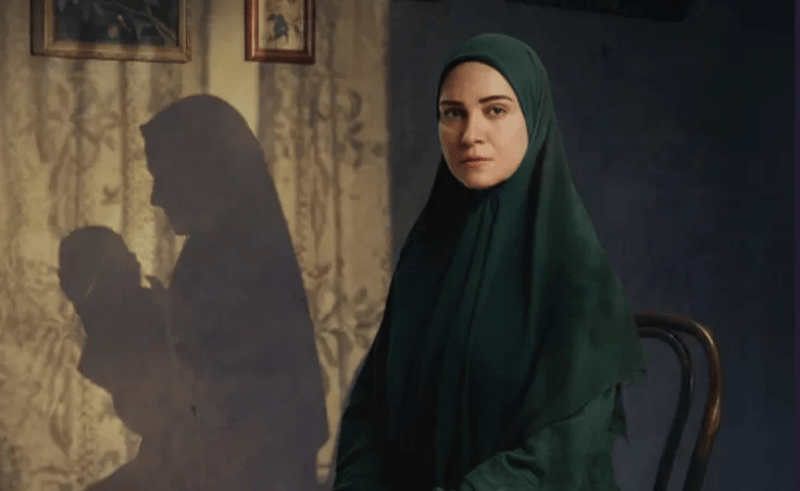
Egypt’s National Council for Women (NCW) has released its 11th annual report tracking the portrayal of women in Ramadan 2026 dramas, under the leadership of Chairperson Amal Ammar and with media committee oversight by Dr. Suzanne El-Qaliny.
The report highlights the volume of media produced during the holy month:
1. 40 drama productions aired on satellite channels and digital platforms
2. 200 commercial advertisements
3. 8 television programs
4. 6 radio programs
5. 21 radio series
6. 856 journalistic and media pieces
It also examined social media interactions linked to the content, using the NCW’s media code as a framework for evaluating how women are represented. While the report does not provide quantitative statistics or explicitly name shows, it identifies several recurring themes:
1. Strong, independent female figures capable of decision-making and active participation in both professional and societal spheres.
2. Awareness-raising messages are incorporated into certain works, particularly regarding women’s protection and reporting mechanisms.
3. Divorce and family disintegration appear more frequently as storylines, reflecting ongoing societal concerns.
The report stresses television drama’s dual role: to reflect reality while also shaping it, influencing society’s collective image of the Egyptian woman.
Other Observations
1. Representation of women with disabilities remains limited, often restricted to marginal or caregiving roles, highlighting the need for more inclusive and empowering portrayals.
2. Media continues to play a pivotal role in shaping public perception, emphasising the importance of professional and ethical coverage.
3. Collaboration between media institutions and relevant authorities is essential to present content that reflects Egyptian women’s realities and achievements, supporting equality and opportunity.
Media Reception
The report also summarises media critiques of Ramadan dramas:
1. Diverging critical opinions on how women’s issues are handled—some praised artistic construction and issue treatment, while others noted weak plots or superficial approaches.
2. High focus on divorce and family disintegration, often used as dramatic tools, prompting debate on realism and societal impact.
3. Calls for balanced and realistic portrayals of women, avoiding stereotypes and exaggeration.
4. Impact of digital audience engagement on shaping drama priorities and highlighting women- and family-related issues.
5. Drama’s responsibility to balance reality and influence, urging content to combine reflection with intellectual and value-based interventions that support social stability.
Related Articles
Trending This Week
-
 Mar 30, 2026
 -
-
-