






Saudi Study Develops AI Model to Detect Obstructive Sleep Apnea
The transformer model improved F1 score by 13% and pinpoints apnea events to one second, offering a more efficient path than traditional polysomnography.

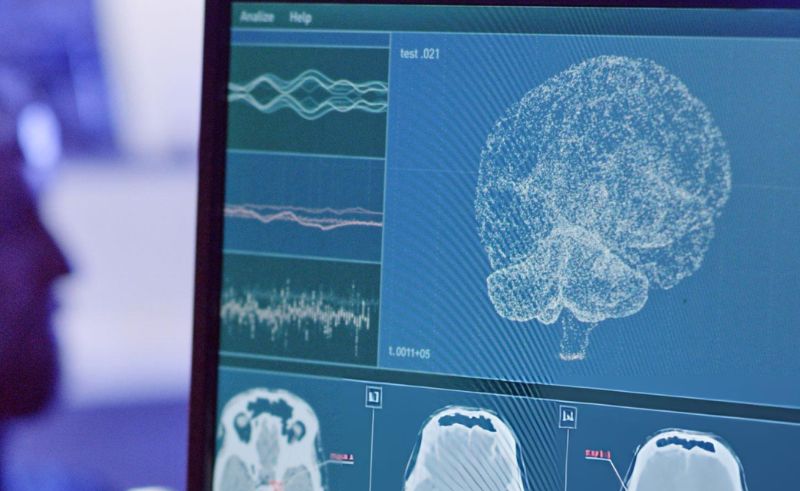
A Saudi scientific study has developed an artificial intelligence model that detects obstructive sleep apnea using a single electrocardiogram signal, aiming to speed up and streamline diagnosis compared with standard methods.
The findings, published in Frontiers in Artificial Intelligence, were led by Dr Malak Al‑Marshad at the University Sleep Medicine and Research Center, College of Medicine, and Medical City at King Saud University. The study presents an attention transformer‑based deep learning model that processes raw electrocardiogram data without complex preprocessing, using autoencoder‑based positional encoding to interpret unidirectional signals.
The approach is positioned as more efficient than traditional polysomnography, which is time‑consuming, costly, and requires specialist analysis. By relying on a single electrocardiogram input and transformer technology similar to that used in large language models, the system targets quicker, scalable screening for obstructive sleep apnea.
Results reported by the researchers show the model outperformed previous studies by 13% in F1 score and achieved high temporal accuracy, detecting apnea events with precision down to one second. The study states the model provided reliable diagnostic support for physicians and maintained performance on noisy real‑world data.
The study also notes broader context for sleep research in Saudi Arabia. King Saud University ranked 18th globally in sleep medicine research over the past five years, and Professor Ahmed BaHammam of the College of Medicine at King Saud University ranked fifth worldwide among sleep medicine scientists during the same period, according to the 2025 ScholarGPS rankings. The article cites the global scale of the condition, with more than one billion people affected by sleep apnea worldwide.
Related Articles


Trending This Week
-
 Apr 26, 2026
 -
-

-