






Two Grandma’s One Table: Supper Club in Port Said
Co-hosted by Hekayyatna and Teta Loula, what happens when two grandmas meet in Port Said to cook you dinner?

I remember one summer trying to learn the secret behind my grandma’s chocolate mousse. I stood by her side and her recipe included adding a dollop of salt, mixing the dough until it feels right, shredding a tinge of orange zest once it reaches that perfect orange shade. All of it imprecise, cooking that only years of repetition can train you to feel the food innately.
As I had my first bite in (probably the best) roukak I’ve ever had, I could taste the years of experience that was mixed in between the filo pastries and layers of meat. Around me sat thirty strangers, the table under a spell of laughter and casual chit chat, as we indulged in a dinner made by Teta Loula from Cairo and Teta Hala from Port Said.
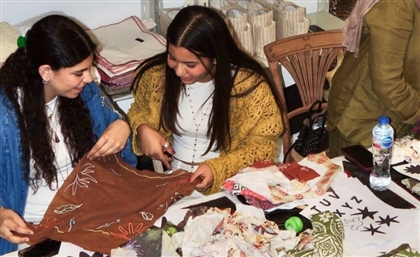
 Co-hosted by Hekayyatna, Teta Loula, and Stabene, the day started in Cairo as all of us shuffled in a mini-bus at 8am. Founded by Zeina Dowidar and Seif Elsobky, Hekayyatna is a community-driven events and multimedia platform that brings people together around questions of identity and belonging through curated community events. Teta Loula, founded by Mary Sherif, is rooted in the preservation of recipes passed down from her grandmother Loula to her, and from her to anyone who opens Teta Loula’s Egyptian Cookbook. Together they organized a wholesome day exploring the layers of Port Said, led by a local Stabene community centre. Misho, our guide, ushered us through quaint streets sharing personal histories of growing up in the city, the folktales that get passed down through generations, and the local songs.
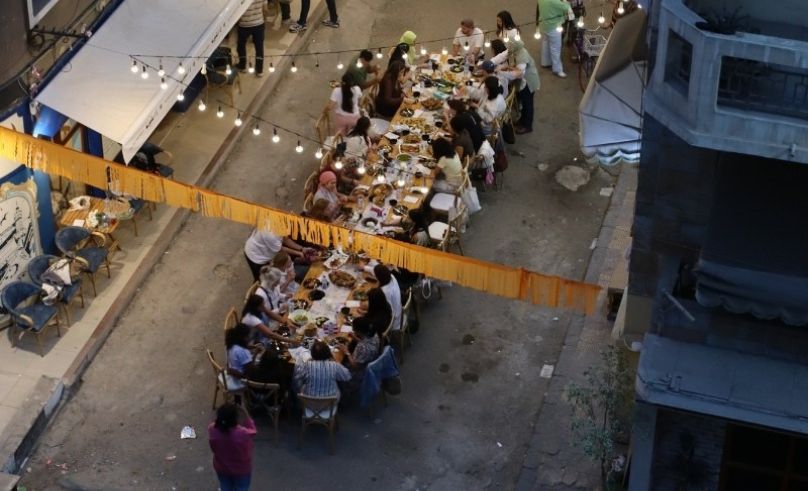
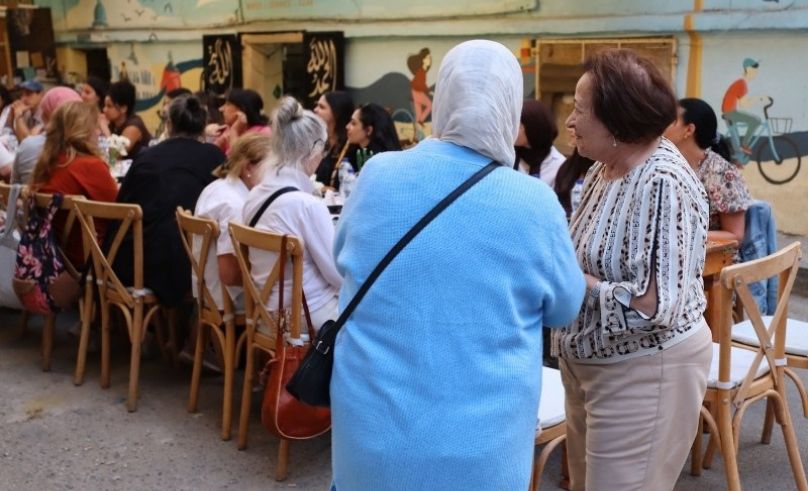
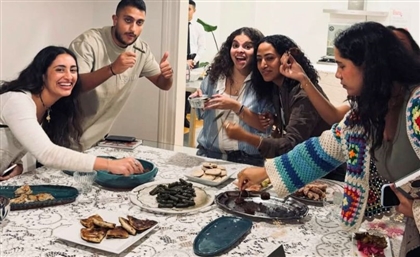
After a full day of activities where the body can’t wait to melt into a seat and your stomach grumbles calling for refuel, we found our way back to Stabene Community Centre ready for the main event: dinner. We settled around a long family-sized table setup in between the old facades of Port Said under fairy lights, turning it into our very own dining room. As we were preparing the table outside, the neighbors next door sent over a tray of Mahshi. Teta Hala’s daughter and granddaughter helped set up the table, and Zeina and Mary brought out the platters of food one by one. As more neighbors and frequent visitors of Stabene cultural centre streamed in, another table was added and the meal continued.
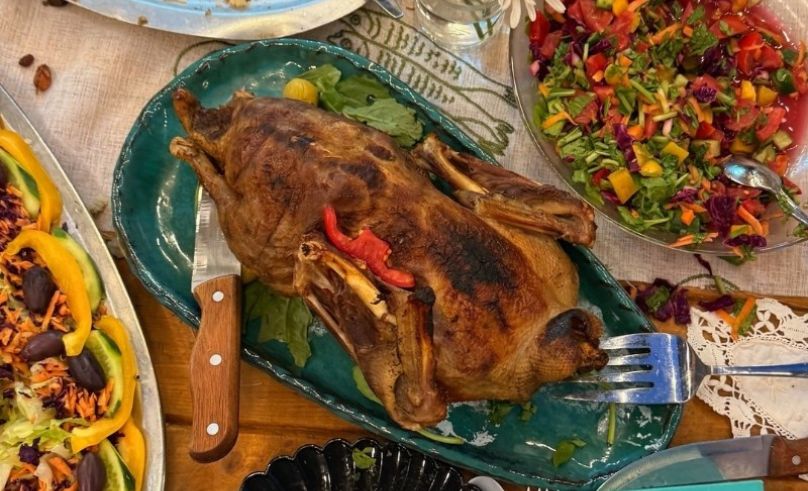 Bowls of balady salad and vegetarian salad brightened the table first, followed by duck soup, fragrant and restorative, then dishes of molokheya, roasted quail, oven-baked potatoes, stuffed duck with onions, rice rich with duck broth, potatoes sharpened with sal’ and lemon, and Teta Loula’s roukak. Platters kept moving from hand to hand, called back for second and third helpings before they had barely made a full round. Around them came the stories, each dish opening into another memory: one grandmother who always added a little extra nutmeg, another who swore by a generous shake of spicy paprika, each variation defended lovingly as the right one. Farida, one of the guests, took charge of carving the duck, while at one point beetroot juice splashed across Yasmine’s trousers and was met not with horror but a burst of laughter. And at the helm of it all sat the grandmothers watching the table with pride, their faces lit up as we ate.
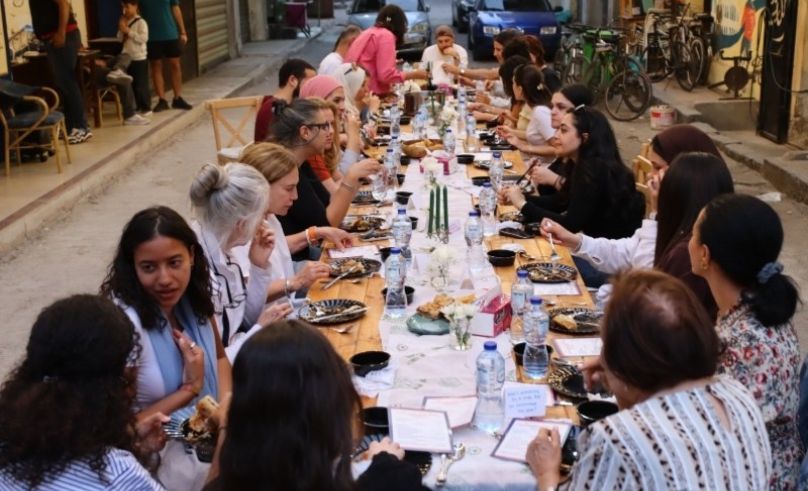 What made the meal feel so distinct was how little distance there was between those who made it and those who shared it. Unlike a restaurant, where a waiter lifts away your plate and the chef remains hidden somewhere behind a swinging door, here everyone sat together first, ate together, and then rose together. Plates were cleared by many hands, leftovers were gathered into makeshift platters for the neighborhood animals, and the stories carried on as naturally through the tidying as they had through dinner.
The night rounded off as we entered inside for chai, coffee, and homemade konafa with cheese, topped with song and dance, led by Sohba semsmia folkband. As the room echoed beneath the hum of the drum and the strings of the Semsemya harp, two or three boys walking down the street stopped, peered in from the window, and stayed smiling and drumming along. When I turned back to look around the room thirty of us doubled with neighbours who streamed in, locals and visitors singing together—even if imperfectly.
- Previous Article Egypt Moves to Localise Desalination Membrane Production
- Next Article 614,000 Hectares Restored in Saudi Land Rehabilitation Drive
Related Articles
Trending This Week
-
 Oct 06, 2026
 -

-

-