






Cairo-Based RKN Translates Geometric Principles Into Furniture
Cairo-based RKN creates furniture assembled by you, shaped through use, inspired by Brutalist design.

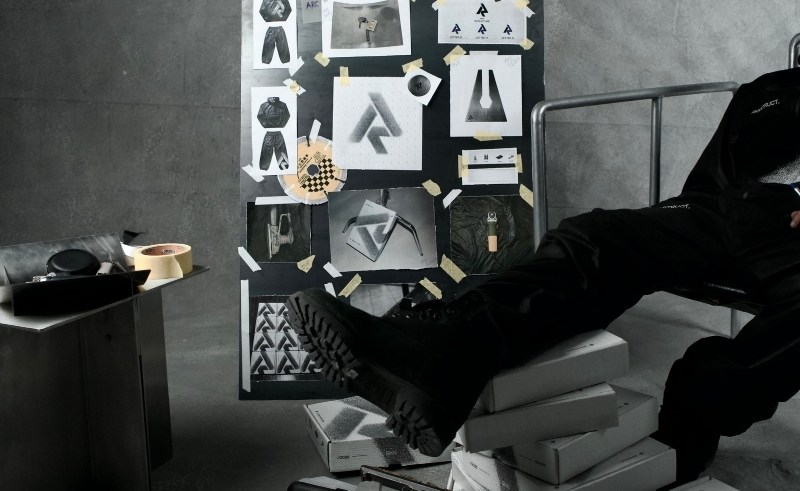
It’s a cosy summer day and a new piece of furniture arrives at your door. You open the box and it’s laid out in parts, made for you to put together. It doesn’t come finished, because it’s meant to take shape in your hands. Piece by piece, it becomes yours, fitting into your space in a way that feels personal from the start. That moment of assembly sits at the centre of RKN, Cairo’s newest furniture brand exploring how objects are experienced through making and use.
RKN, taken from “corner”, sets the starting point. Founded by Adam Bannani, the work begins with edges, joints, and simple geometry. “RKN starts at the corner, where edges, joints, and intersections define the form.” Coming from industrial design, Bannani approaches each object as something built from parts. “Objects begin as parts, shaped through how elements meet.” The focus stays on how things come together.
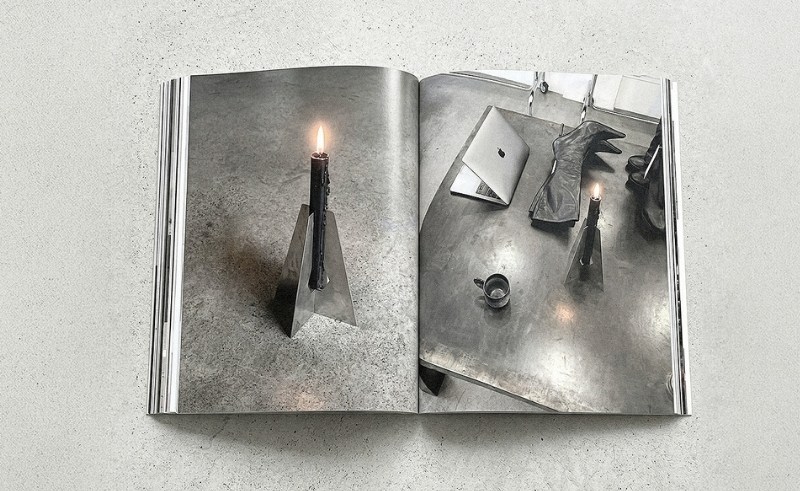
The first collection includes four small pieces: two candle holders, an incense tray, and a pocket tray. They sit within everyday routines, while drawing from architectural thinking. “Each piece is treated as a compact system rather than a single gesture,” Bannani says. They are designed as small constructions, where each component has a role in the whole.
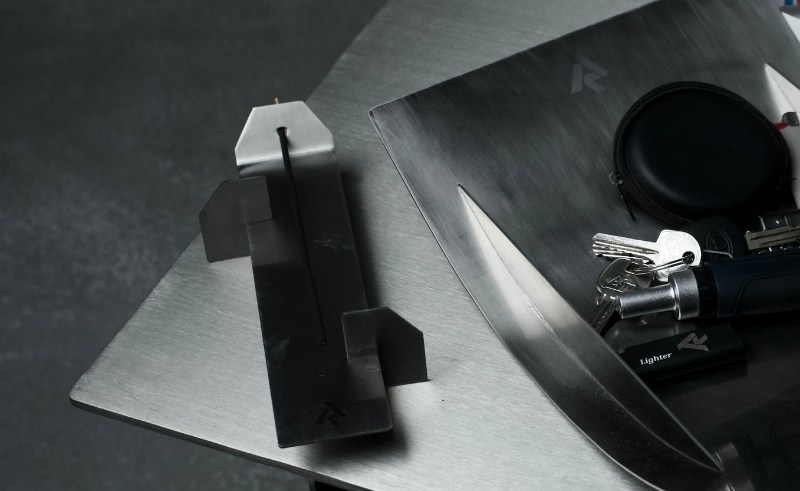
Material exploration shaped the process early on. Different options were tested for weight and balance before settling on stainless steel. “Stainless steel holds the geometry with clarity and durability.” It keeps the forms precise, with the structure clearly visible.
There is a clear reference to Brutalist architecture in the way the work is developed. Bannani spent time researching and sketching, refining proportions and resolving details through repeated iterations.
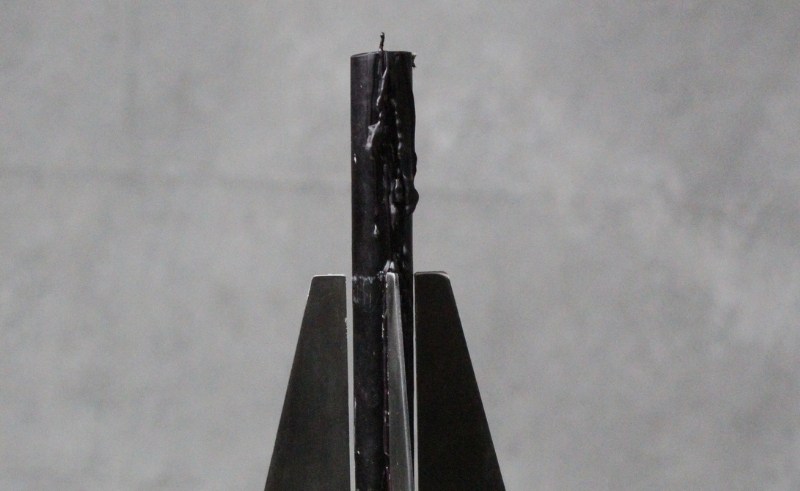
What defines the experience is how each piece arrives. Nothing is welded. Everything comes as separate components with a manual. “Nothing is welded; every object is assembled by the user,” Bannani explains. You build it before using it, and that act becomes part of how the object is understood. “The act of putting it together becomes part of the design.”
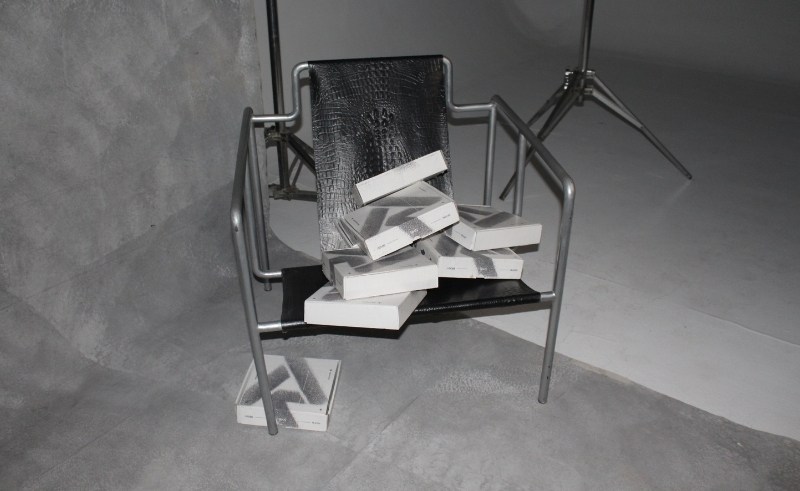
“The work stays open-ended, shaped again through use.” The pieces begin with small-scale objects, but the intention is not to remain within that category. The brand is set to grow beyond decorative pieces, moving into larger furniture pieces and expanding into other design directions, including garments and clothing elements.
- Previous Article This Abu Dhabi Creamery Is Turning Karak & Chaos Into Ice Cream
- Next Article The Ancestral Resilience of Omar El Farouk’s Fayoum Home
Related Articles
Trending This Week
-
-
 Oct 15, 2026
 -

-