



MAI-T Traces Ancient Egypt Through Recycled Plastic
Egyptian brand MAI-T works with recycled plastic, drawing on Egypt’s long history of renewal and making through material.
You’re standing in front of three coloured bins marked 'Plastic', 'Paper' and 'General Waste', trying to decide where your item belongs. It feels a little stressful, but the bins are familiar objects we pass every day and rarely question. We use them quickly, then move on. But have we ever thought about what could become of these everyday items once we throw them away?
Inside MAI-T, founder Karim Abdullatif starts from a simple observation. Recycling in Egypt has existed in many forms long before modern systems and coloured bins. He traces this thinking back to ancient Egypt, where ideas of renewal and making again appear in language and recorded systems. Hieroglyphic writing often reflects a close relationship between materials, use and continuity rather than disposal.
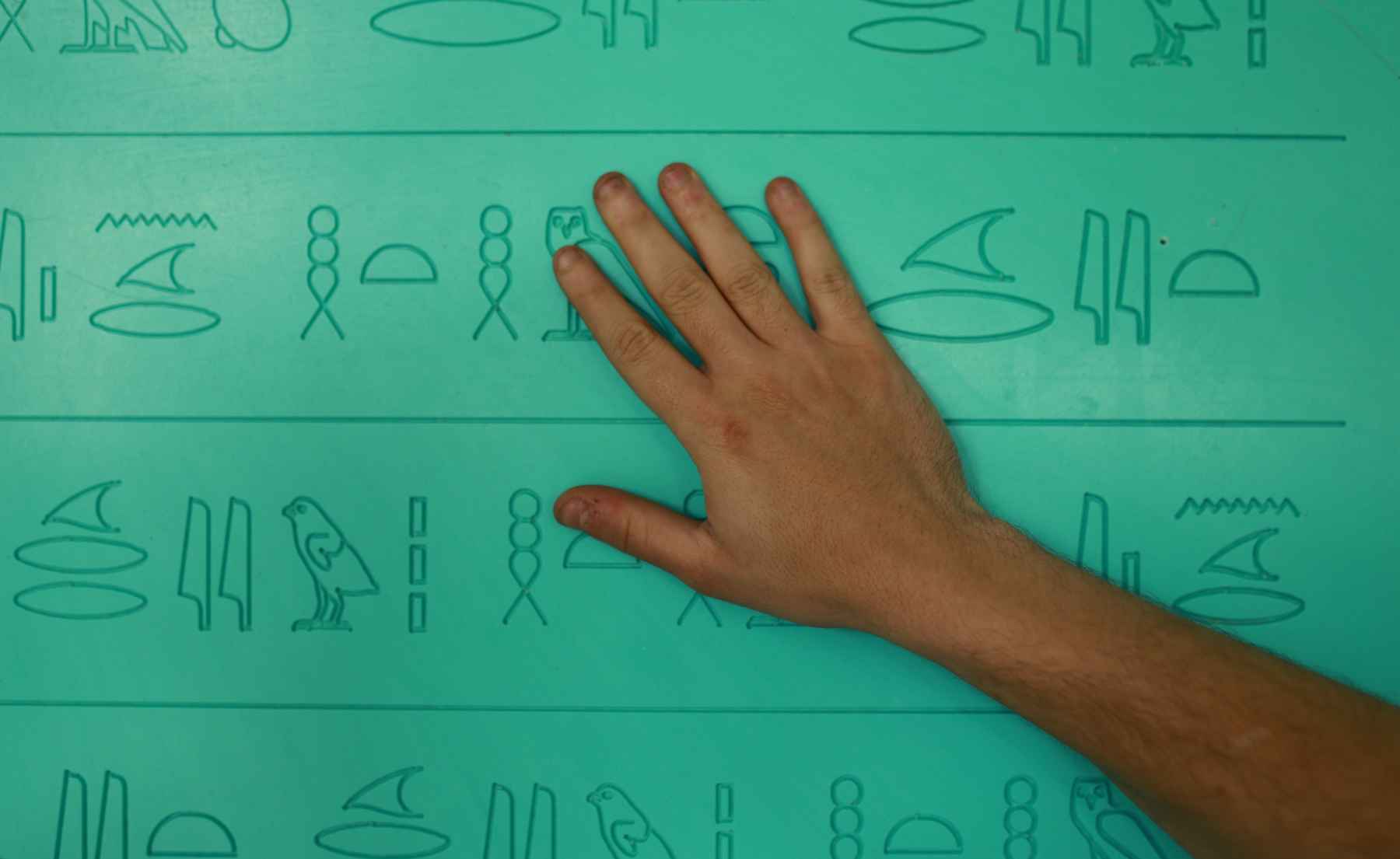
The name MAI-T comes from a word that carries two meanings. One is renewal, or 'becoming new'. The other is a dwelling, or workshop. The overlap between both ideas sits at the core of the studio’s approach, where making and renewal exist within the same space.
Inside the studio, recycled Egyptian plastic arrives in pellet form, already processed through external recycling systems. These pellets come from different sources, including bottle caps, shampoo bottles, ice cream containers and industrial plastic waste. Each carries a different origin, and together they form a wide range of colour and texture once reworked.
“There are words in ancient Egyptian that already carry ideas of renewal and care for surroundings,” Abdullatif tells SceneHome. “It shows how embedded these ideas were in daily life.” The studio uses this as a way to look at material that already exists in circulation, rather than something newly created.
There are two main sources of material in Cairo. “You can work with local communities like Manshiyet Naser, or you can work with the industrial sector. We chose to look at the industrial side,” Abdullatif explains. These systems collect, sort, clean, and process plastic waste into pellets before it reaches the studio.
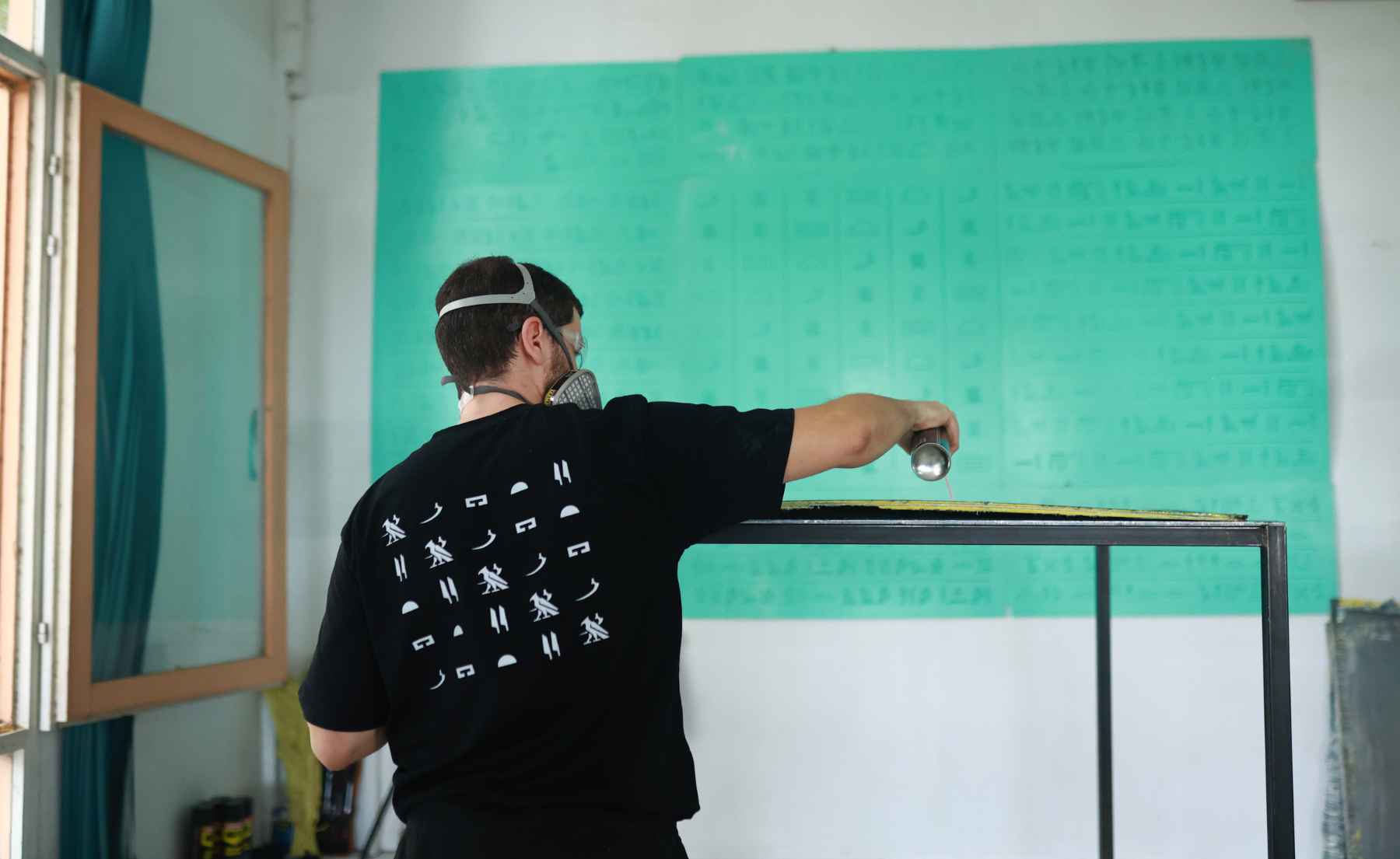
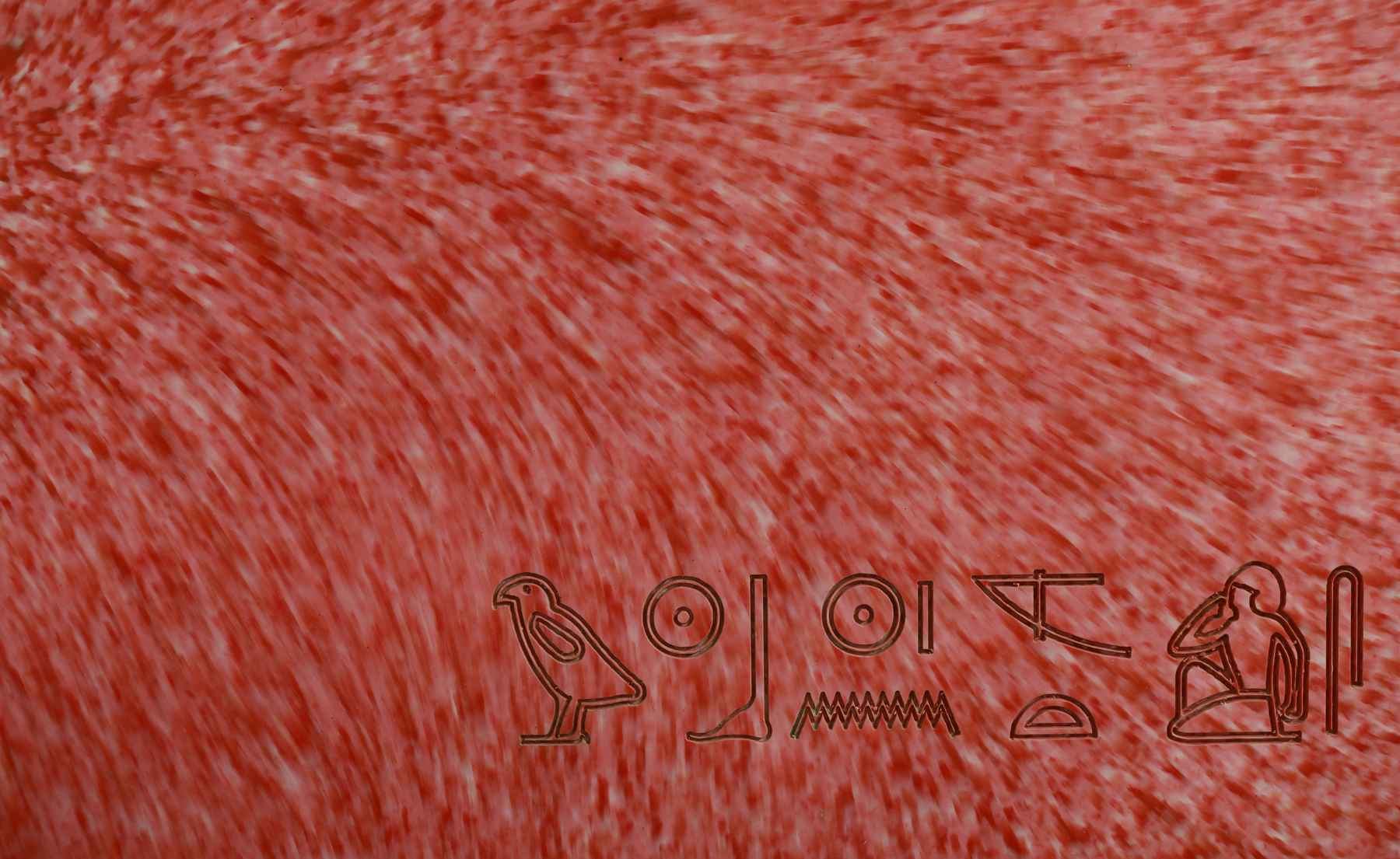
From there, MAI-T works directly with the material. The pellets are melted and pressed into sheets. Heat, pressure, and small adjustments in the machine affect the final outcome. "We tried mixing different plastics but it does not work," Abdullatif says. "Each type has its own melting point and reacts differently.”
As the material is heated, it begins to shift and move in ways that cannot be fully controlled. Small changes in temperature or alignment appear later on the surface, and the patterns do not have a fixed centre, shaped by how the material moves when it is molten. Even with the same material, outcomes are never identical, as even a slight tilt in the machine changes how the plastic flows.
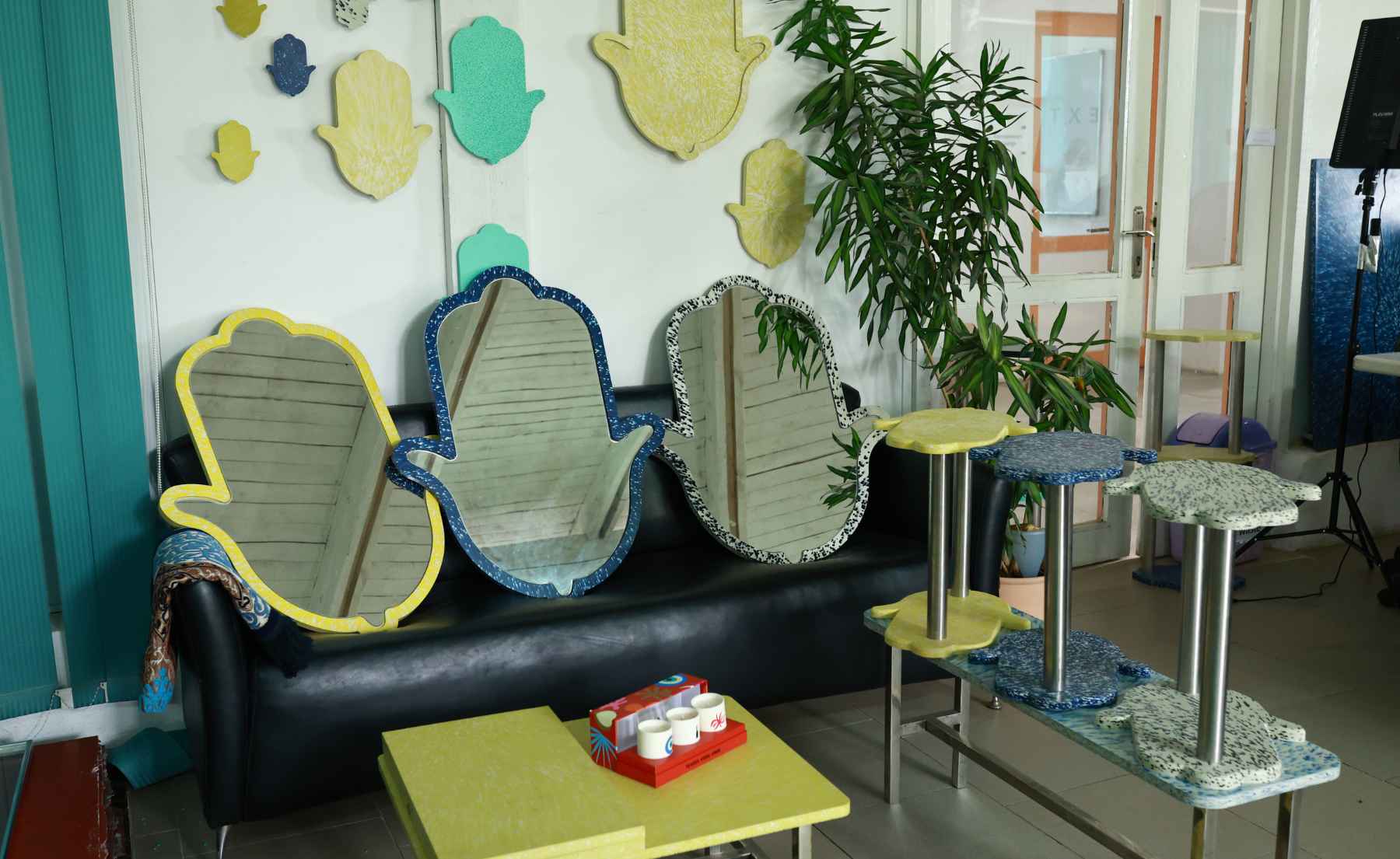
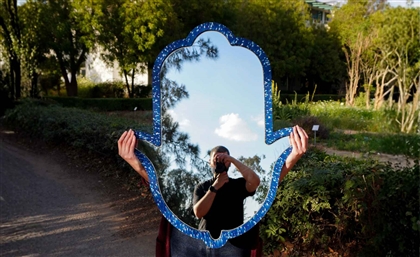
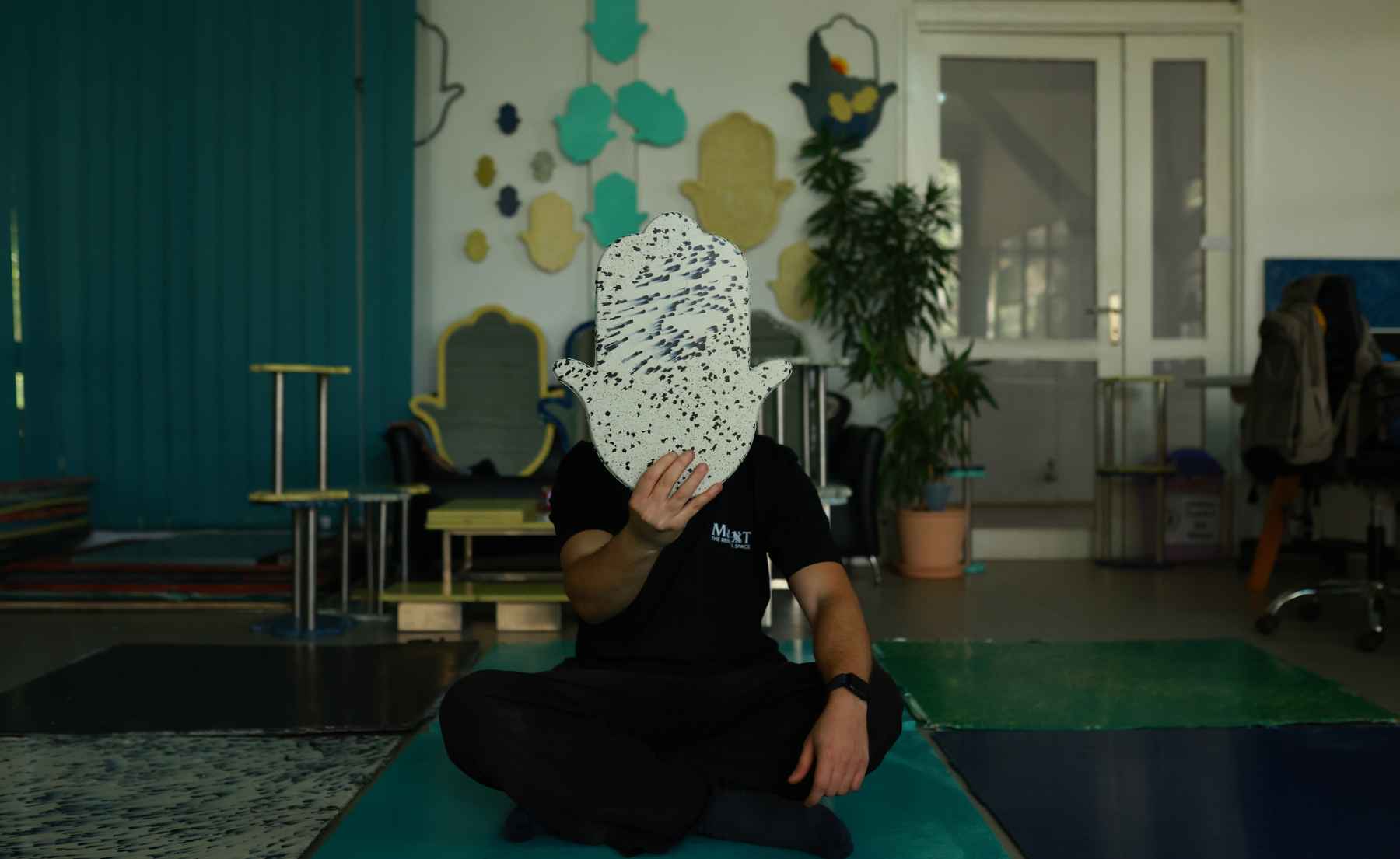
This approach shaped the studio’s first collection, ‘Hand of Fatima’, developed with Yasmine Nour El-Dine. The form is widely recognised and appears across different cultures as a protective symbol found in homes and everyday objects. It was chosen for its familiarity and its presence in daily life.
"We wanted to use something people already know," Abdullatif says. "The Hand of Fatima is found in many homes, across different religions and cultures.” The collection began from earlier designs by Nour El-Dine and was reworked using recycled plastic with local craftsmen in Egypt.
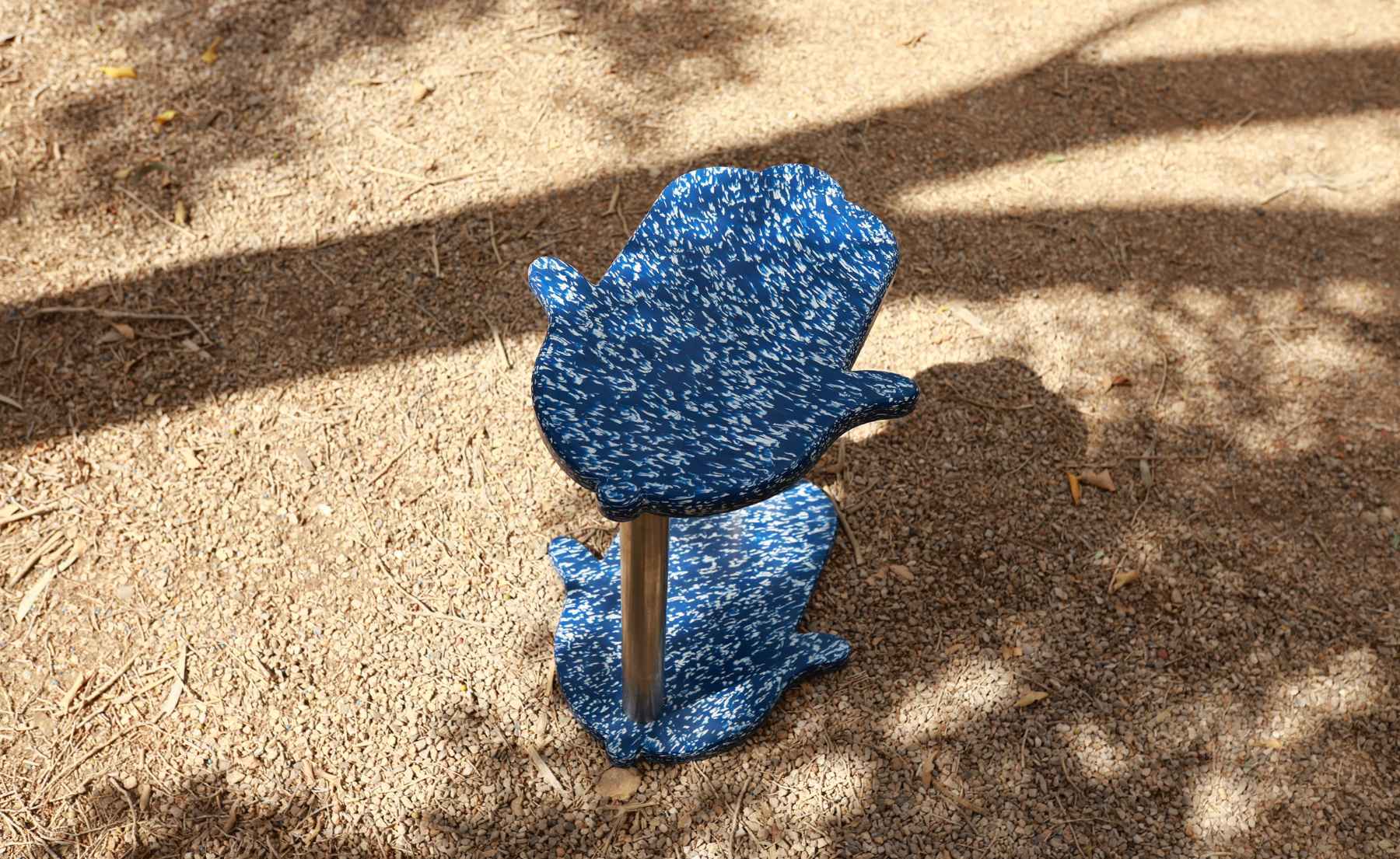
During production, the material set its own conditions. Once formed, it resisted surface treatments and did not easily take finishes. At first this was frustrating because there was an intention to change it, but over time the studio realised the need to accept what the material is.
This thinking continued into larger production. For Cairo Design Week, the studio debuted its work for the first time, producing 10,000 tiles using locally built machines and Egyptian craftsmen. Each tile followed the same process, but small differences appeared in colour and texture. "The plastic is Egyptian, the machines are Egyptian, and the people working on it are Egyptian,” Abdullatif says. Even in modern day Egypt, recycling still sits in everyday habits, from reusing jars and boxes to keeping things in use for longer. It is not something new. MAI-T just makes it more visible through what it produces.