





Egypt’s LNG Import Cost Doubles to Around USD 80 Million Per Cargo
Higher gas prices, shipping and insurance costs have doubled the cost of imported LNG cargoes as summer demand increases.

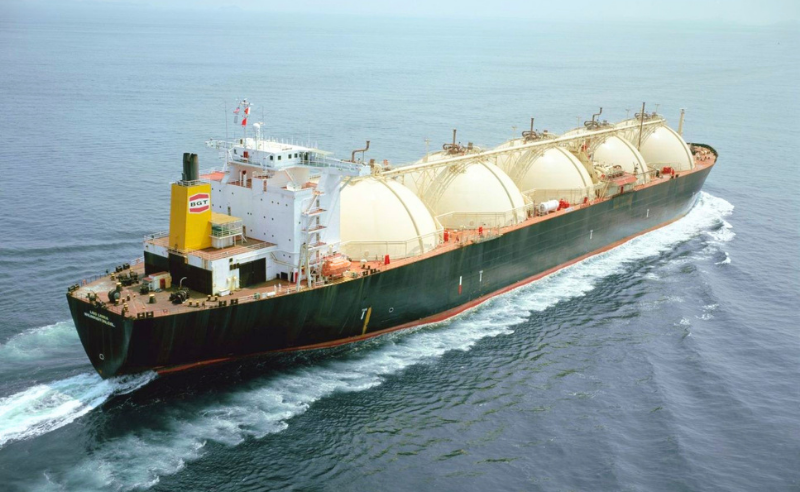
The cost of each imported liquefied natural gas cargo has doubled to around USD 80 million from roughly USD 40 million since the outbreak of the regional war involving Iran, according to Petroleum and Mineral Resources Minister Karim Badawi.
The increase reflects higher natural gas prices alongside rising shipping and insurance costs.
Additional LNG imports are being used to cover a wider gap between domestic production and consumption, particularly during the summer months when electricity demand rises.
Natural gas consumption increased by nearly 12% in July and August to around 7.28 billion cubic feet per day, compared with approximately 6.45 billion cubic feet per day between October and March.
Domestic natural gas production stood at around 3.7 billion cubic feet per day in mid-2026. Badawi said output is expected to rise to about 4.2 billion cubic feet per day during the current fiscal year.
The outlook follows the repayment in June of around USD 6.1 billion owed to foreign oil and gas partners. According to Badawi, clearing those arrears helped limit the decline in production, which had previously been expected to fall to around 2.2 billion cubic feet per day.
Refinery utilisation has also risen above 80%, compared with 67% previously, supported by increased crude oil supplies to local refineries.
Annual domestic consumption currently stands at around 11.84 billion litres of gasoline, 17.77 billion litres of diesel and 6.94 million tonnes of fuel oil.
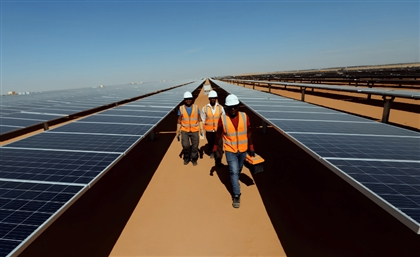
Meanwhile, the government is targeting a 42% share for renewable energy in the national energy mix by 2032, through coordination between the ministries of petroleum and electricity.