





NYU Abu Dhabi Study Shows Wild Apple DNA Shaped Modern Apples
A study from NYU Abu Dhabi found that modern apples developed through continuous genetic exchange with wild relatives, with implications for crop resilience and sustainable agriculture.

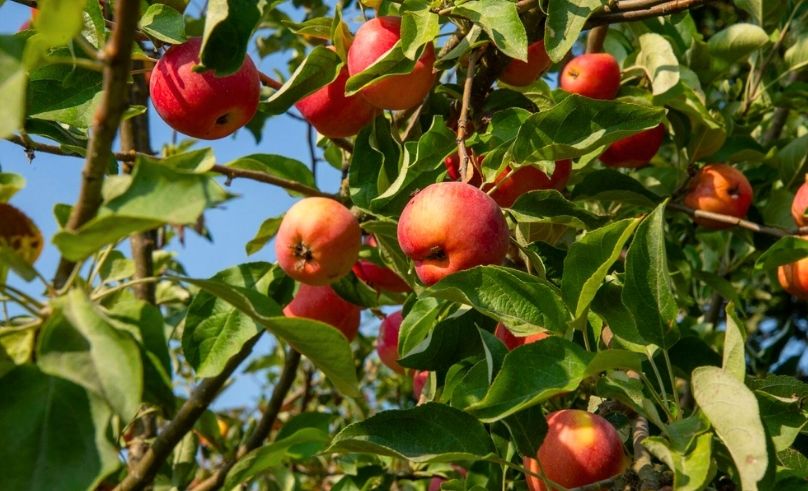
Modern apples evolved through continuous genetic exchange with wild apple trees rather than a single domestication event, according to new research led by NYU Abu Dhabi in collaboration with international partners. Published in Current Biology, the study compared cultivated apples with wild relatives from across Europe and Asia, finding that as apples spread geographically, they repeatedly exchanged genetic traits with wild populations. This process contributed to characteristics such as flavour, disease resistance and adaptability to different environments.
The research also identified distinct evolutionary paths for dessert and cider apples, highlighting variation within the crop and suggesting that different uses shaped their development over time. Lead author Amandine Cornille, Associate Professor of Biology at NYU Abu Dhabi, said the findings reflect a long-term relationship between cultivated apple trees and their wild counterparts, with ongoing genetic exchange supporting diversity and resilience.
The study emphasised that wild apple populations remain a critical genetic resource, containing traits that could help scientists and farmers develop new varieties better suited to disease pressures and changing climate conditions.
Researchers also suggested that similar evolutionary patterns may apply to other fruit trees, where interaction with wild relatives has influenced development over time.
- Previous Article Riyadh Air Launches Flights From Riyadh to Jeddah, Madrid & Manchester
- Next Article 100 Fast EV Chargers to Be Deployed Across Sharjah