






Saudi Researchers Send Brain Cells to Space to Study Ageing
BioGravity-1 is studying how microgravity affects biological processes linked to ageing, Alzheimer’s disease and multiple sclerosis.

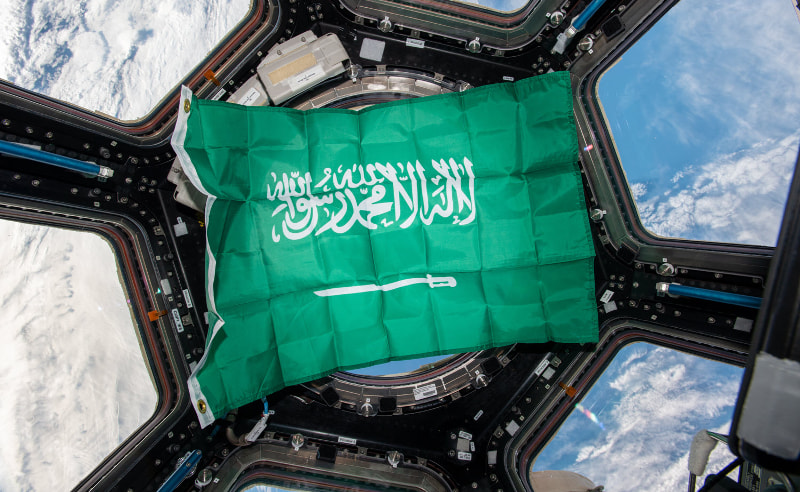
Saudi researchers have sent biological samples to the International Space Station as part of the BioGravity-1 mission, which is studying how microgravity affects ageing and neurodegenerative conditions.
Led by the Saudi Space Agency and King Abdullah University of Science and Technology, the mission travelled aboard the SpaceX CRS-35 resupply flight with support from NASA. It marks the first time biological samples from the Middle East have been sent into space for research.
BioGravity-1 uses healthy donor samples to establish a baseline for how cells respond to microgravity. Researchers will examine biological changes linked to ageing, Alzheimer’s disease, multiple sclerosis and other brain disorders through two experiments developed at King Abdullah University of Science and Technology.
The mission also includes the first microgravity test of the Brain Organoid Village concept, which combines multiple cell lines within a single organoid to support population-level studies and what researchers describe as “clinical trials in a dish”.
BioGravity is planned as a three-mission programme. The first establishes healthy reference data, while the second will focus on patient-derived models of Alzheimer’s disease and multiple sclerosis. A third mission is expected to examine therapeutic responses and potential drug targets in microgravity.
- Previous Article Slyver Brings a Combative Edge to His Latest EP ‘PV2.0'
- Next Article SELECTS: Egyptian Stylist Nour Taha Dresses for the Mood
Related Articles


Trending This Week
-
 Oct 15, 2026
 -

-

-