





Mosquito Myth-Busting With Maghreb-Based Beauty Brand Misaj
A conversation with Misaj founder, Amèle Moussaoui, reframing the beauty myths she keeps running into - and the ones she’s dismantling.
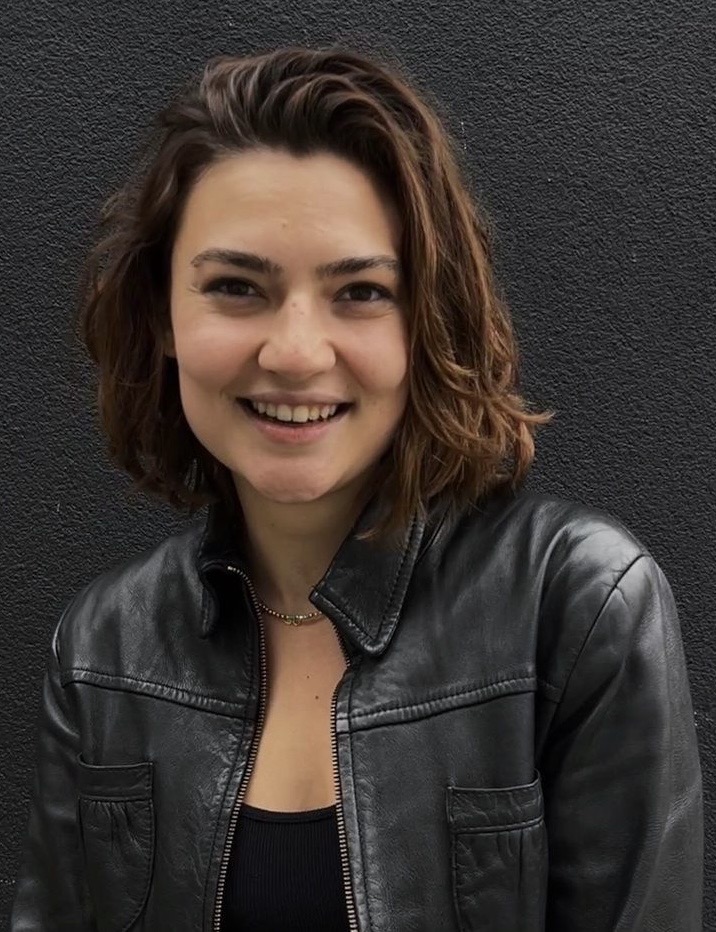

Amèle Moussaoui has been sitting on a lifetime of contradictions.
Her earliest lessons in care came from her grandmother: teas, essential oils, and rituals that treated prevention like a daily practice. Her mother, a traditional Chinese healer by profession, carried that same instinct forward, keeping traditional healing close and instinctive at home. On the other hand her father, a surgeon, represented the other pole entirely: clinical, conventional, and insistent on medical logic. Training as a pharmacist later on didn’t resolve the contradiction – instead it gave her a framework for it, shaping a point of view that holds tradition and science in the same hand.
Two years ago, it all snapped into focus. “I was getting out of the airplane from my grandmother's funeral thinking of all those traditions and remedies that are going to be lost,” when her phone lit up. A friend in Sicily was exhausted, chasing her kids with two separate tubes - SPF, then mosquito repellent - and texted: “I cannot anymore. We need to make a multifunctional product for both.”
Grief met practicality, and the contradiction finally became a blueprint. “It’s all like everything that I had from my childhood just connected,” Moussaoui says.
What follows is the Misaj conversation, reframed as the myths she keeps running into and the ones she’s dismantling. Myth #1: You only need mosquito repellent when you’re around mosquitoes.
Moussaoui borrows a preventative logic from the traditional medicine she grew up around: protection works best when it’s routine, not a last-minute reaction. She points to everyday practices like drinking certain teas “all year” – not to treat sickness on arrival, but to support the body over time.
That’s how she approaches repellency and skincare: design it as a habit, folded into your daily moisturizing habits. If protection only exists as a reaction - a panic spray once you hear the buzz - it’ll always be inconsistent.
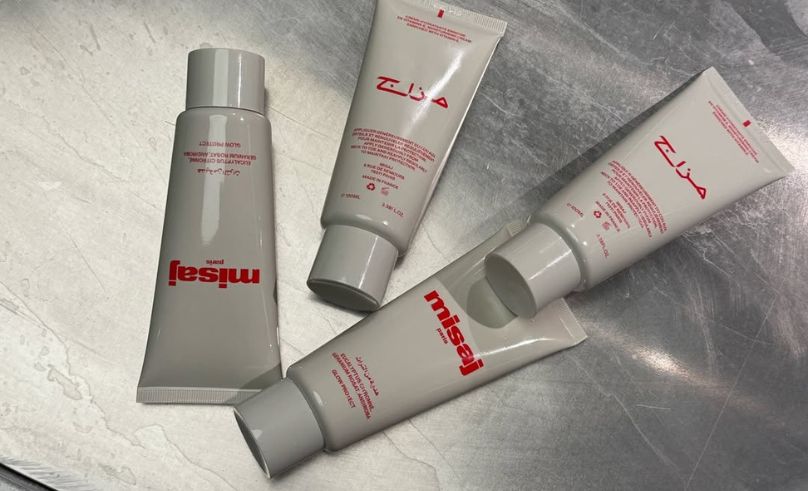 Myth #2: The only way to repel mosquitoes is with toxic chemicals.
Moussaoui admits she has zero romance with mosquitoes. She hates the bites, the noise, the constant vigilance, but the “solution” options felt almost as bad. The chemical formulas she tried were effective, sure, but they also felt aggressive: “some mosquito repellent melted my nail polish,” she says. Add the sticky finish and the awkward smell, and repellency becomes something you endure, not something you live with.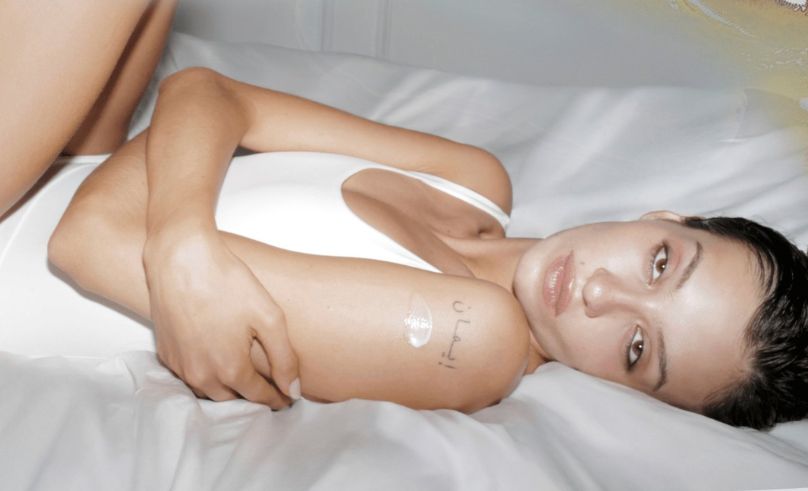 Myth #3: Essential oils are just vibes.
Moussaoui starts from the remedies people already trust – citronella, geranium, clove – but she’s not selling them as folklore. She understands the science behind why certain compounds work, and her real challenge is formulation: getting the right concentration, the right mix, and the right skin feel in one product, so you’re not layering a dozen oils at home.
That’s why she takes it to a lab, testing “different samples” at “different concentrations until it holds,” while researching the specific properties and benefits of each oil to make sure the mix is consistent, effective, and wearable in a single formula.
-4e79bdc9-c326-49f5-bc90-017b751e75c1.jpg) Myth #4: If you’re building in France, keep the Arab identity subtle.
Myth #4: If you’re building in France, keep the Arab identity subtle.
Moussaoui went the other way on purpose. She wanted the packaging to be loud about where the knowledge comes from - not vaguely inspired by. “I really wanted to be an Arabic brand, carry our heritage and show to the world that we are here and we are not scared of being who we are, especially… in Europe.”
Even at home, that decision had to be negotiated. When she put Arabic “in huge” letters on the secondary packaging, her mom hesitated – “what are people going to think?” – then fully converted: “now she loves it, she even helps with the Arabic designs.”
The box says it plainly: “a gift from our heritage.”-f830079c-9c22-45c6-9a1f-c53401262ca7.jpg) Myth #5: Hydration is only about “feeling hydrated.”
Myth #5: Hydration is only about “feeling hydrated.”
She frames hydration as part of the brand’s protection logic, not just skin comfort. “When you have hydrating skin it also inhibits the mosquito from finding you, because dryness and damaged skin are part of the cue system. That’s why the product has to work as a super hydrating cream first. The protection is layered into something you’d want anyway.”-9a619540-0576-4679-92bd-a113ca607d72.jpg) Myth #6: Let’s kill the mosquitos.
Myth #6: Let’s kill the mosquitos.
Yes, “we all hate them, the bites, the noise, the audacity.” But Moussaoui is not trying to wage war on the ecosystem. “They are still important,” she adds, so the goal is simpler (and less villainous). In practice, that means protection that doesn’t feel brutal on your skin and doesn’t rely on “harmful chemicals onto the planet as collateral damage.”-41edfefc-9b12-426b-a5a9-b100dd606544.jpg) Myth #7: “Sustainable” is just a packaging story.
Myth #7: “Sustainable” is just a packaging story.
She keeps pulling it back to the bigger loop: “warming climate brings more mosquitoes, harsher UV, more products, more damage to the environment. It’s a vicious circle.”
So she stacks choices: fewer products, a supply chain she can follow (packaging from Spain, lab in France), and raw materials sourced through partners focused on lower-impact production. She even mentions running into out-of-stocks because smaller suppliers can’t scale like mass production – which, to her, is part of the point.
- Previous Article Is Hamza AbdelKarim’s Barcelona Move a Shift For Egyptian Footballers?
- Next Article ‘All That’s Left of You’ to Premiere on OSN+ This Eid