



Iraqi Para-Athlete Zainab Al-Eqabi on Travelling the World Solo
After losing her leg in childhood, Zainab Al-Eqabi turns resilience into motion, traveling solo and challenging every label placed on her identity.
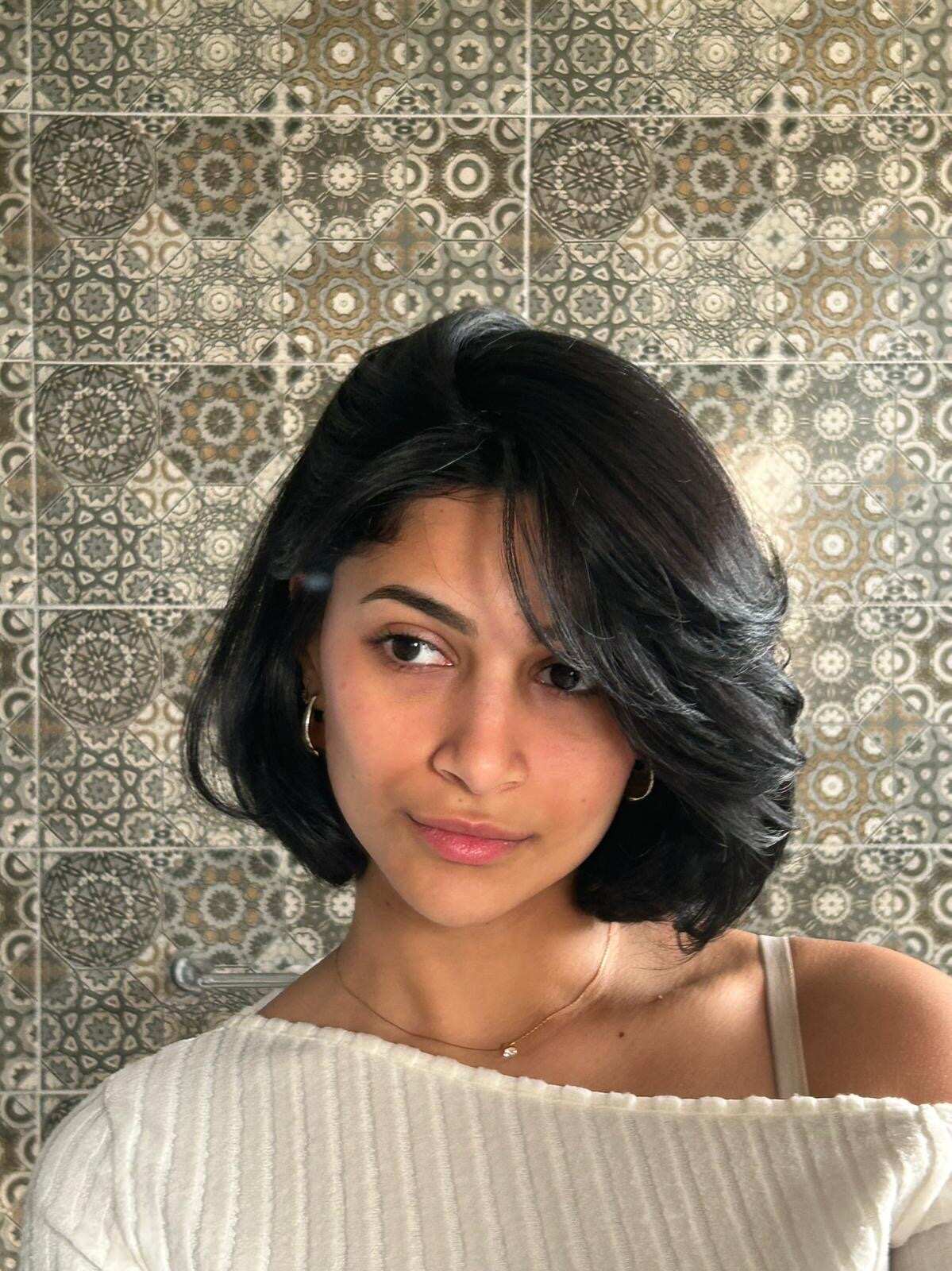
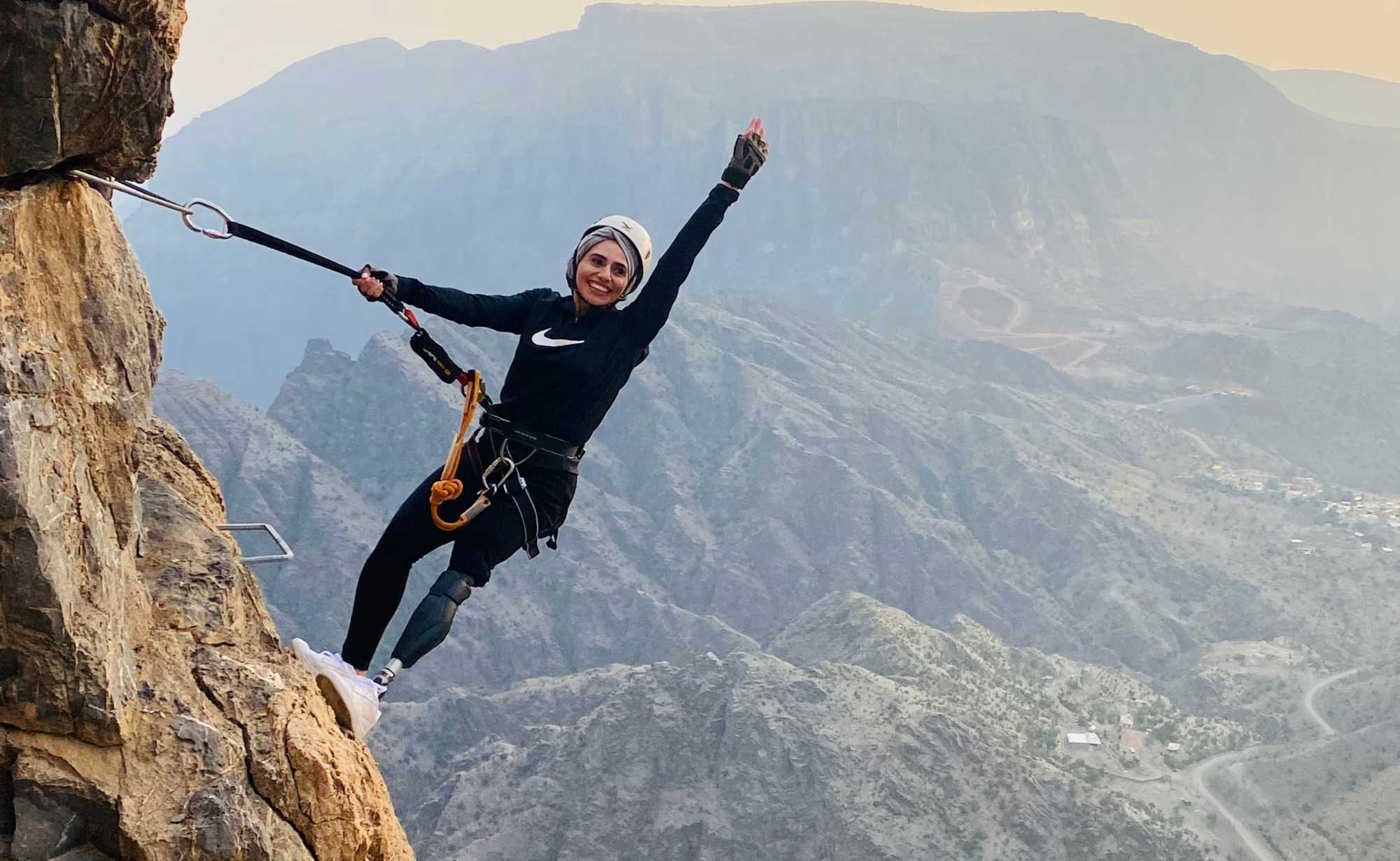
The road stretched out in silence along Iceland’s long, bone-white twilight, empty of everything except volcanic rock, a bruised sky, and the knowledge that if something went wrong, there would be no one to call but herself. Zainab Al-Eqabi has built a life in these kinds of moments - alone, far from home, and entirely responsible for what comes next.
Al-Eqabi travels solo, and she travels far: more than a dozen countries on a prosthetic leg she has worn since she was seven years old in Iraq, through the drift-diving currents of the Maldives, across the finish line of the Dubai Fitness Challenge with a Jeep hauled forward by her own bare hands, into a self-reliance that only announces itself on the door of a mountain cottage that will not lock. She is a para-athlete, a pharmacist, a Master's graduate in International Social Work, and a woman who decided long ago that a body the world keeps trying to finish the sentence for would be the one to write its own.
 But long before she became a para-athlete and learned how to move through the world, she was a happy and stubborn child running through Baghdad in the aftermath of the Gulf War. She ran back home one day, dragging her broken bike behind for her father to fix - determined to play. “I think I’ve always been someone who loves life and wants to experience it to the fullest,” she tells SceneTraveller.
Detonation. Silence. Ringing.
Her father had used an unassuming piece of metal - what he didn’t know was remnants from the war - to fix her bike with. The friction from every hammer-blow activated the bomb, and after having it for over seven years, it had finally gone off. In a second, the childhood she had been running back to was presumably gone with it. “It was a life changing accident, half of the family was hospitalised and in recovery for a long time,” Al-Eqabi explains. Her father lost his hand and was the most impacted, while her sister sustained injuries. They ran between four hospitals, a journey of emergency surgeries, second and third opinions, confusion about whether or not Al-Eqabi needs a cast. A misjudgment of putting the cast on too early led to her leg getting infected with gangrene, and her parents were forced to sign away her leg to save her. “I remember being upset because they didn’t ask me; I didn't know who took my leg, everything happened so fast,” Al-Eqabi now laughs at the memory.
But long before she became a para-athlete and learned how to move through the world, she was a happy and stubborn child running through Baghdad in the aftermath of the Gulf War. She ran back home one day, dragging her broken bike behind for her father to fix - determined to play. “I think I’ve always been someone who loves life and wants to experience it to the fullest,” she tells SceneTraveller.
Detonation. Silence. Ringing.
Her father had used an unassuming piece of metal - what he didn’t know was remnants from the war - to fix her bike with. The friction from every hammer-blow activated the bomb, and after having it for over seven years, it had finally gone off. In a second, the childhood she had been running back to was presumably gone with it. “It was a life changing accident, half of the family was hospitalised and in recovery for a long time,” Al-Eqabi explains. Her father lost his hand and was the most impacted, while her sister sustained injuries. They ran between four hospitals, a journey of emergency surgeries, second and third opinions, confusion about whether or not Al-Eqabi needs a cast. A misjudgment of putting the cast on too early led to her leg getting infected with gangrene, and her parents were forced to sign away her leg to save her. “I remember being upset because they didn’t ask me; I didn't know who took my leg, everything happened so fast,” Al-Eqabi now laughs at the memory.
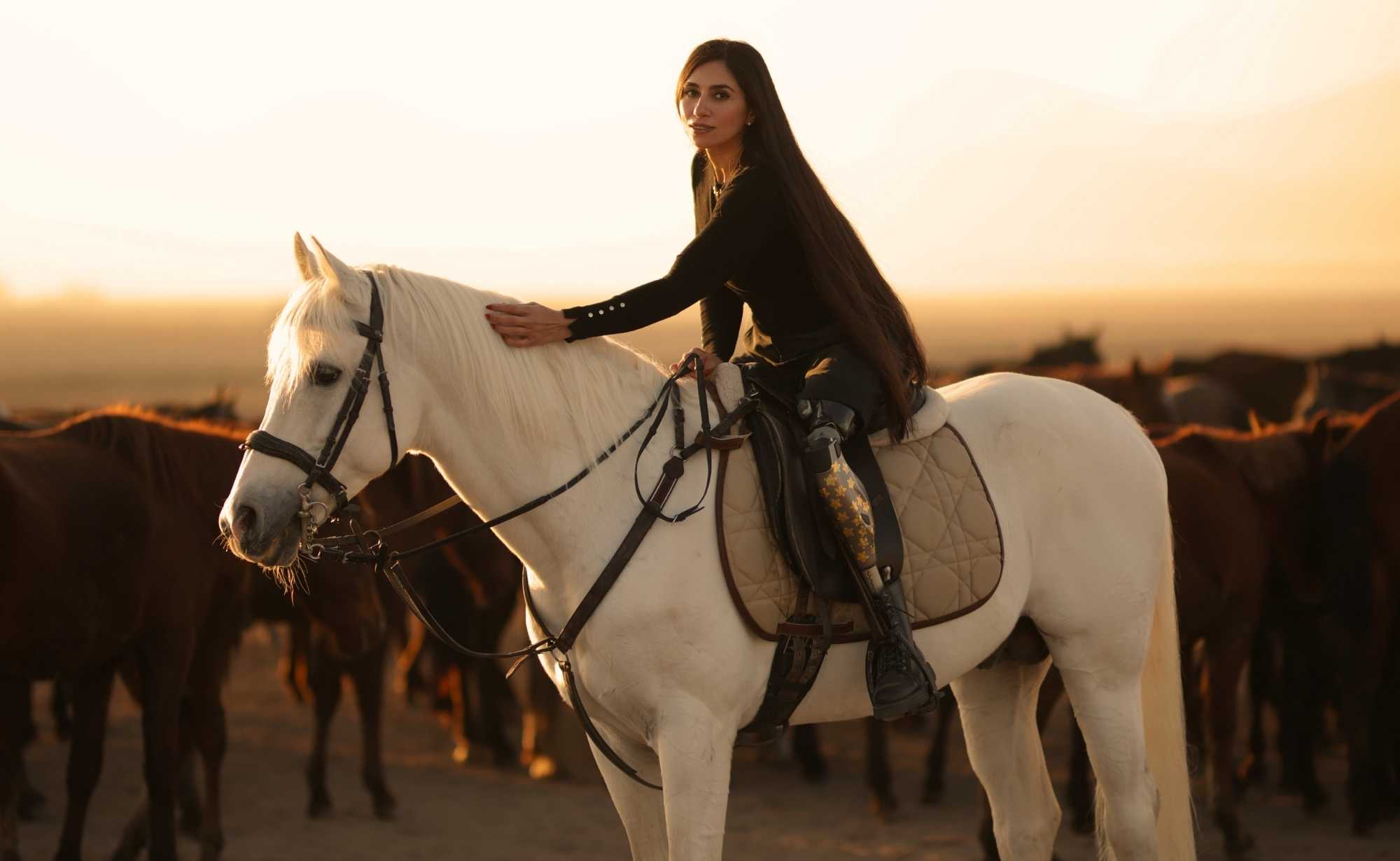 “So being stubborn has always been my lifeline. It enables me to keep fighting for everything I believe I'm entitled to, or dream of - including a happy childhood,” she says. This stubbornness came pre-installed, in a region where an unreasonable ‘no’ is default and women are expected to accept limits that never quite made sense. “It taught me to push back and see what would happen, you know?”
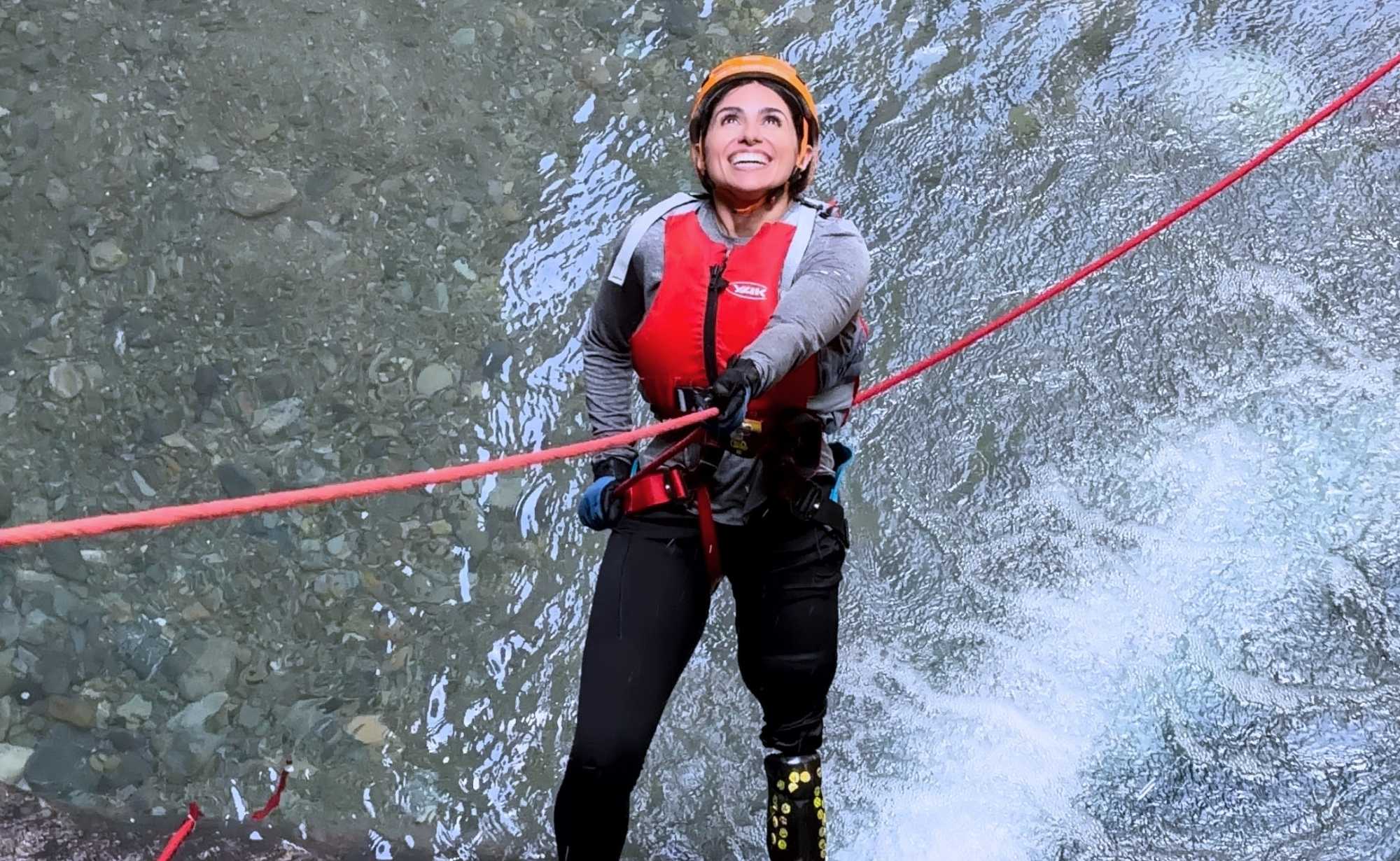 Zainab Al-Eqabi got off the hospital bed and stepped into a life defined by one hard-won success after another. Movement didn’t come back all at once, it came in fragments: learning how to balance differently, using crutches for the first time, understanding the mechanics of a prosthetic leg, and trusting a body that now required constant negotiation. The family started anew in the UAE, where she studied her way through a Bachelor’s degree in Pharmacy at the University of Sharjah, then waved a Master’s degree in International Social Work and Community Development from Durham University. Why? “Because I have always appreciated education, I believe it gives you the power and knowledge to understand the community better and help people.”
Al-Eqabi has since established herself in Dubai, a well-connected city that brought the world closer to her fingertips. But before she navigated gates and check-in counters, her doctors advised her to explore the water to strengthen her back and relieve pain from her prosthesis; this rehabilitation became her first borderless space, and the first place where her body wasn’t a question. “You feel completely free within the water,” she smiles. “It doesn’t matter if you have limbs or not. It’s just the freedom that the water gives you.”
Zainab Al-Eqabi got off the hospital bed and stepped into a life defined by one hard-won success after another. Movement didn’t come back all at once, it came in fragments: learning how to balance differently, using crutches for the first time, understanding the mechanics of a prosthetic leg, and trusting a body that now required constant negotiation. The family started anew in the UAE, where she studied her way through a Bachelor’s degree in Pharmacy at the University of Sharjah, then waved a Master’s degree in International Social Work and Community Development from Durham University. Why? “Because I have always appreciated education, I believe it gives you the power and knowledge to understand the community better and help people.”
Al-Eqabi has since established herself in Dubai, a well-connected city that brought the world closer to her fingertips. But before she navigated gates and check-in counters, her doctors advised her to explore the water to strengthen her back and relieve pain from her prosthesis; this rehabilitation became her first borderless space, and the first place where her body wasn’t a question. “You feel completely free within the water,” she smiles. “It doesn’t matter if you have limbs or not. It’s just the freedom that the water gives you.”
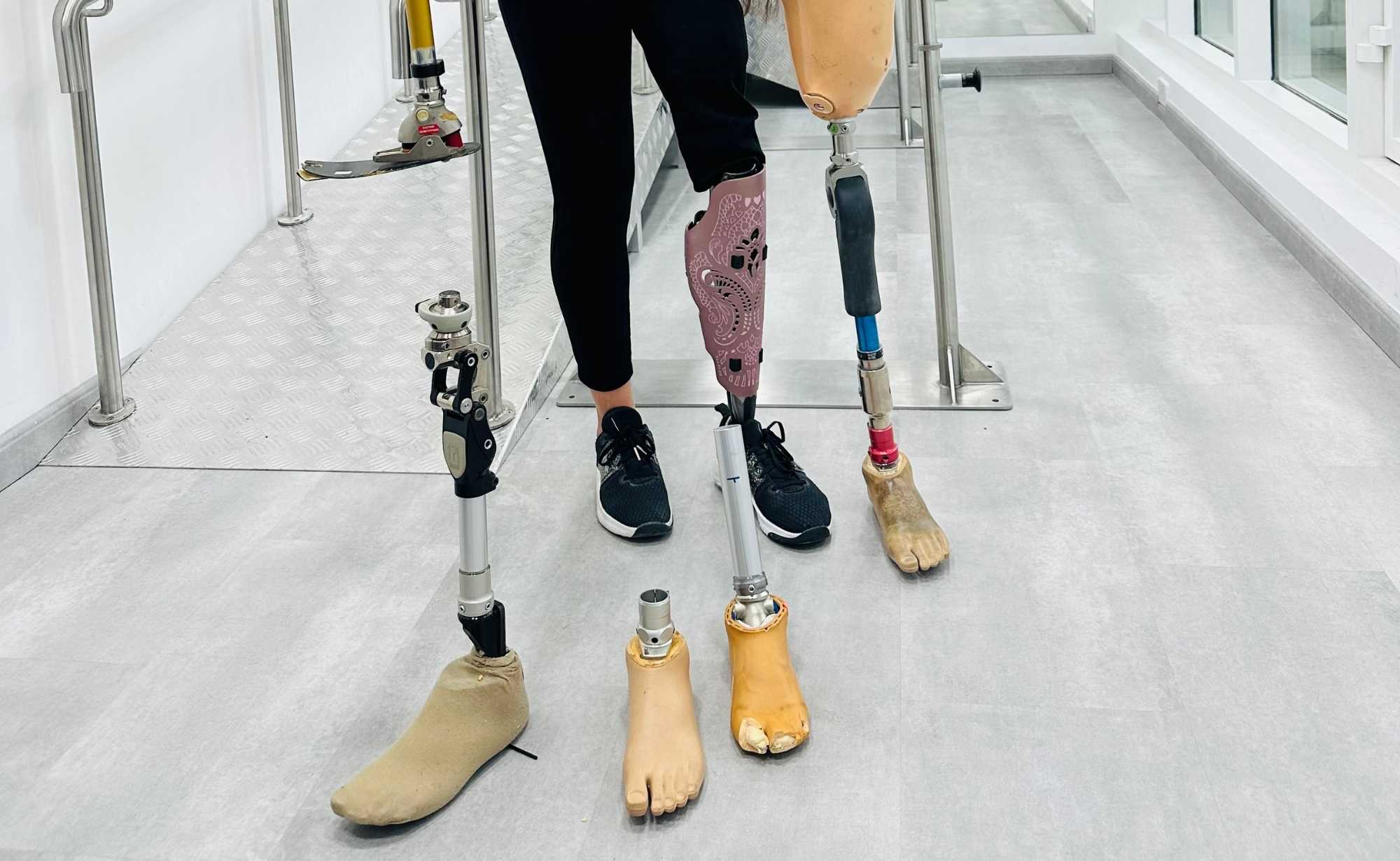 Later she would seek that same sense of liberation elsewhere; across countries, climates, and unfamiliar terrain, travelling entirely on her own. As an Arab woman, Al-Eqabi is used to being watched before she is even understood, add a prosthetic leg into the equation, and curiosity often arrives before conversation. Yet what lingers is rarely doubt; it’s surprise, admiration, then the quiet recalibration that happens when someone realises the limits they had accepted for themselves might not be as fixed as they believed them to be. “People forget I have a prosthesis,” she says, “but they don’t see what happens behind the scenes.”
Preparation is meticulous. She double and triple checks everything tied to her prosthesis - valves, socks, anything that could turn a minor inconvenience into a real setback. “That’s not a joke at all,” she says. “That’s serious.” Clothes can be replaced, chargers can be bought, but the essentials that allow her to move cannot be improvised. By the time Al-Eqabi steps into an airport, she’s already negotiating with the realities of her body. Heat can turn a long walk into an injury, friction building with every step until movement itself becomes difficult. “If it’s really hot, it takes away from my ability to walk for a long time,” she explains. The cold brings its own risks. Ice and slippery ground demand a different kind of awareness, a constant calculation of balance and consequence. “It’s quite risky for me, I could easily slip and fall.” These are the details most travellers never have to consider, the invisible labour behind the image of ease.
And still, she crosses borders and boundaries.
Later she would seek that same sense of liberation elsewhere; across countries, climates, and unfamiliar terrain, travelling entirely on her own. As an Arab woman, Al-Eqabi is used to being watched before she is even understood, add a prosthetic leg into the equation, and curiosity often arrives before conversation. Yet what lingers is rarely doubt; it’s surprise, admiration, then the quiet recalibration that happens when someone realises the limits they had accepted for themselves might not be as fixed as they believed them to be. “People forget I have a prosthesis,” she says, “but they don’t see what happens behind the scenes.”
Preparation is meticulous. She double and triple checks everything tied to her prosthesis - valves, socks, anything that could turn a minor inconvenience into a real setback. “That’s not a joke at all,” she says. “That’s serious.” Clothes can be replaced, chargers can be bought, but the essentials that allow her to move cannot be improvised. By the time Al-Eqabi steps into an airport, she’s already negotiating with the realities of her body. Heat can turn a long walk into an injury, friction building with every step until movement itself becomes difficult. “If it’s really hot, it takes away from my ability to walk for a long time,” she explains. The cold brings its own risks. Ice and slippery ground demand a different kind of awareness, a constant calculation of balance and consequence. “It’s quite risky for me, I could easily slip and fall.” These are the details most travellers never have to consider, the invisible labour behind the image of ease.
And still, she crosses borders and boundaries.
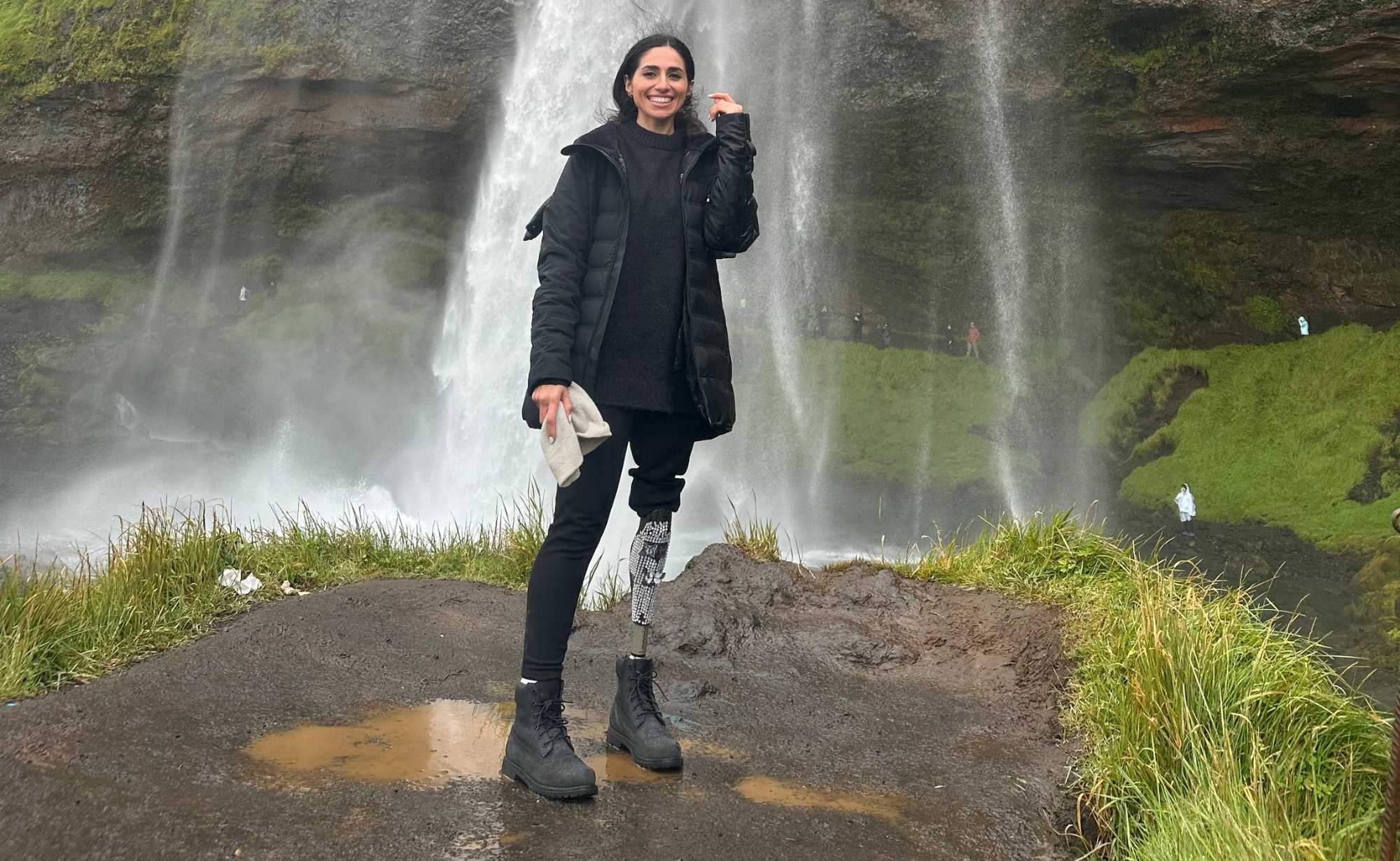 Her first solo trip, to Switzerland, arrived with more fear than freedom. “It was so scary,” she admits. It wasn’t necessarily the destination that unsettled her, but the idea of maneuvering it alone; figuring out transport, trusting her footing on snow-covered peaks, managing long walks in unexpected heat. “You need to hold yourself together and deal with it.” Then, somewhere between the uncertainty and the many challenges, something shifted. “I realised I’m really good at controlling crises.” A simple reassurance, but it carries the weight of someone who has had to prove it, again and again.
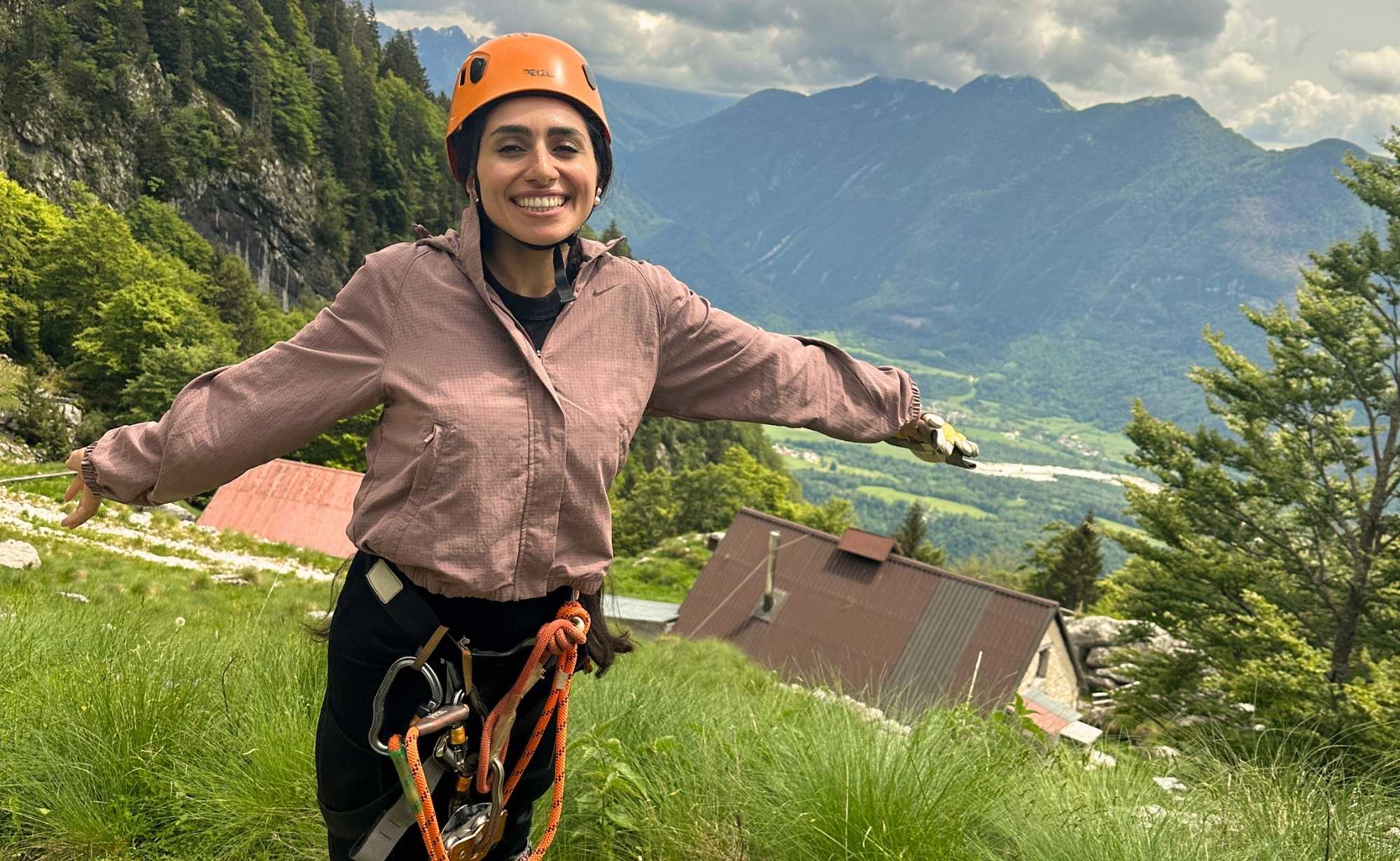
On another journey through Norway, stubbornness looked a lot more like chaos. After cutting her finger on her drone mid-trip, she wrapped it, carried on with her itinerary, and only sought medical help hours later, when the adrenaline from the zipline faded and the bleeding refused to settle. “I made sure to stick to my plan,” she laughs. That same trip ended in a quiet mountain cottage with a door that just wouldn’t lock. She dragged chairs and kitchenware against it before going to sleep, her location shared with friends in different countries, and her phone within reach. “I had the emergency number saved…just in case.” Nothing happened. It rarely does. But the point is that she was there, alone, prepared for the possibility that it might.
Her first solo trip, to Switzerland, arrived with more fear than freedom. “It was so scary,” she admits. It wasn’t necessarily the destination that unsettled her, but the idea of maneuvering it alone; figuring out transport, trusting her footing on snow-covered peaks, managing long walks in unexpected heat. “You need to hold yourself together and deal with it.” Then, somewhere between the uncertainty and the many challenges, something shifted. “I realised I’m really good at controlling crises.” A simple reassurance, but it carries the weight of someone who has had to prove it, again and again.
On another journey through Norway, stubbornness looked a lot more like chaos. After cutting her finger on her drone mid-trip, she wrapped it, carried on with her itinerary, and only sought medical help hours later, when the adrenaline from the zipline faded and the bleeding refused to settle. “I made sure to stick to my plan,” she laughs. That same trip ended in a quiet mountain cottage with a door that just wouldn’t lock. She dragged chairs and kitchenware against it before going to sleep, her location shared with friends in different countries, and her phone within reach. “I had the emergency number saved…just in case.” Nothing happened. It rarely does. But the point is that she was there, alone, prepared for the possibility that it might.
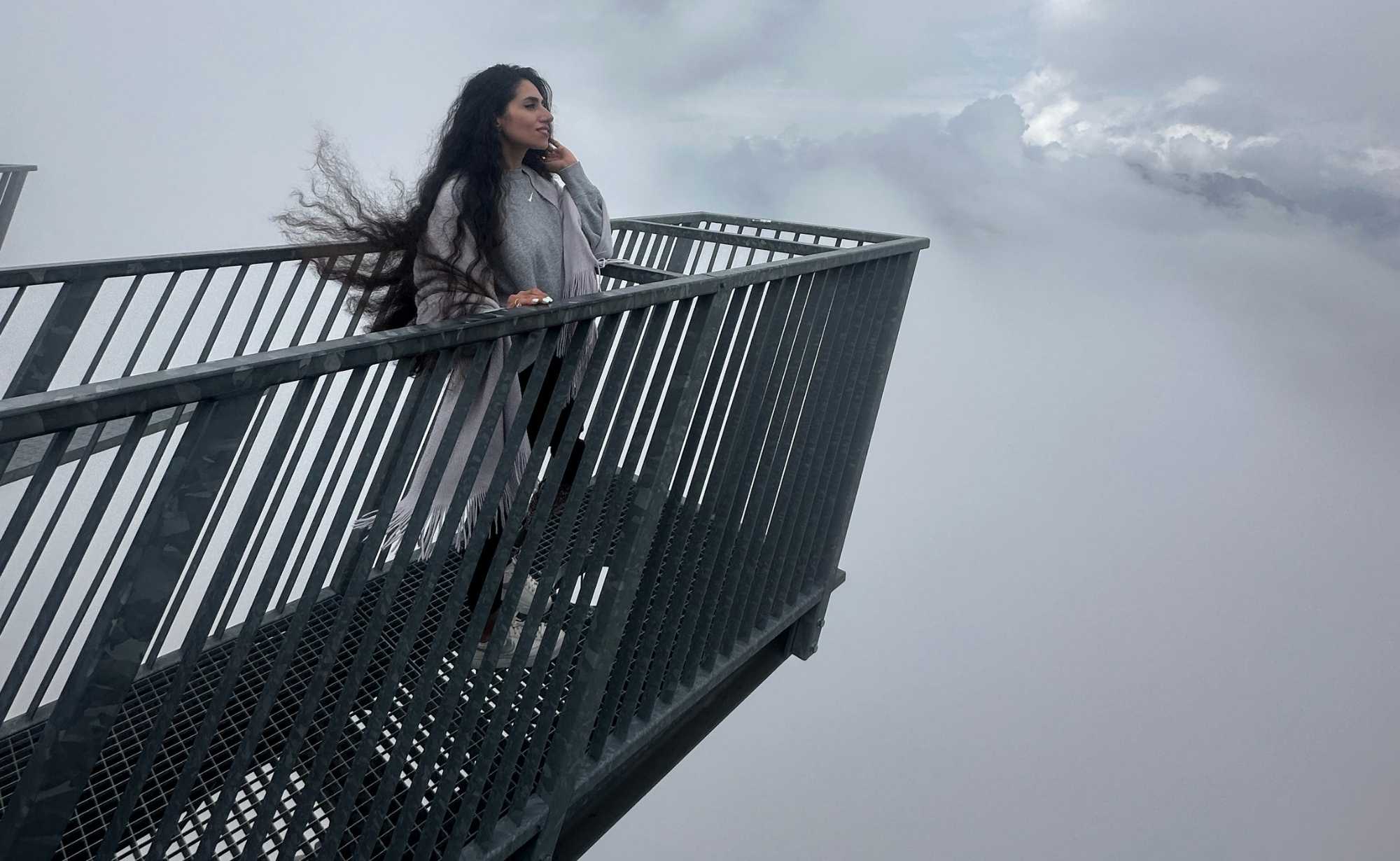 There are lighter moments too, the kind that make the effort worthwhile. Strangers in remote towns pausing to ask if she was really travelling on her own. “You’re all by yourself?” they would ask, half in disbelief. Hotel staff watching her manoeuvre luggage without assistance, noticing what she carries without ever saying it directly. And almost always, there was a shift. “You influenced me,” some of them would tell her. “You made me think twice about things that were putting me down.” It was in those exchanges that her journey would start to extend beyond her own experience, becoming something shared, something quietly disruptive. “They made me feel like it was all worth it,” she says.
For her, those moments define travel more than any destination ever could. After all, her journey has always been about testing what freedom—from body, from thought—looks like in practice. Not the kind that’s handed to you, but the kind you build, step by step, decision by decision, until you can move through the world without asking for permission.
“Freedom is never given to you. You have to create it yourself.”
There are lighter moments too, the kind that make the effort worthwhile. Strangers in remote towns pausing to ask if she was really travelling on her own. “You’re all by yourself?” they would ask, half in disbelief. Hotel staff watching her manoeuvre luggage without assistance, noticing what she carries without ever saying it directly. And almost always, there was a shift. “You influenced me,” some of them would tell her. “You made me think twice about things that were putting me down.” It was in those exchanges that her journey would start to extend beyond her own experience, becoming something shared, something quietly disruptive. “They made me feel like it was all worth it,” she says.
For her, those moments define travel more than any destination ever could. After all, her journey has always been about testing what freedom—from body, from thought—looks like in practice. Not the kind that’s handed to you, but the kind you build, step by step, decision by decision, until you can move through the world without asking for permission.
“Freedom is never given to you. You have to create it yourself.”
- Previous Article SceneNoise x Amsterdam Dance Event Present CROSSFADE: Egypt
- Next Article New Dubai Authority to Help Raise Live Expectancies
Related Articles
Trending This Week
-
 Oct 06, 2026
 -
-
-