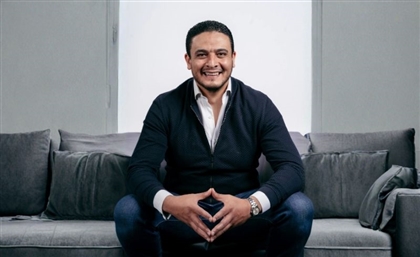




Omar Khashaba on the New VC Playbook in the Middle East & Africa
In this episode of ‘Meet the Investor’, we speak to an investor who has experienced the ecosystem from both sides of the table.

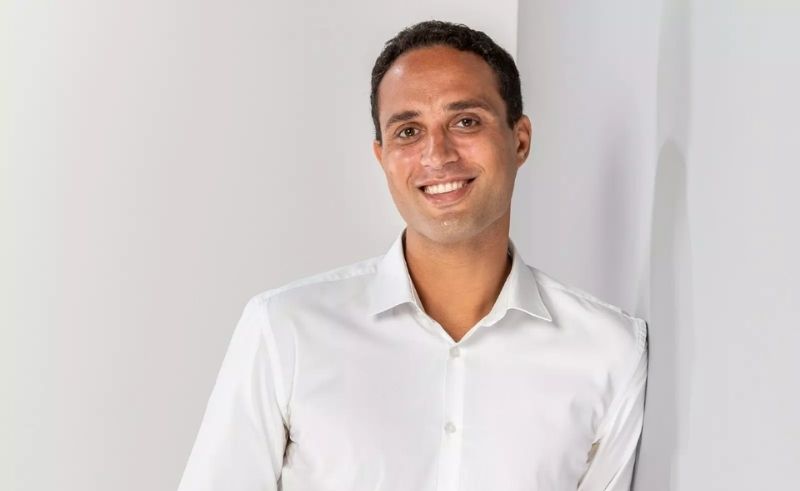
Venture capital in the MENA is often misunderstood as a game of picking winners, when in reality, it’s a game of building them.
As a General Partner at Algebra Ventures, Omar Khashaba occupies a unique vantage point within the ecosystem. Over the last five years, he has helped steer a $100 million fund, and alongside his partners, Khashaba has moved away from the passive check-writer model, instead adopting a philosophy rooted in high-level context-switching - the ability to jump from the granular needs of a tech team to the macro-economic shifts of Africa.
A lawyer by training, Khashaba holds a Bachelor of Laws from the London School of Economics and a Master of Laws from Cornell University. However, his transition into the tech ecosystem was driven by an entrepreneurial itch. Before joining Algebra in 2018, he founded and served as CEO of Tutorama, an edtech marketplace that tackled the complexities of peer-to-peer tutoring. He also held an executive role at the healthtech pioneer Yodawy, giving him a front-row seat to the challenges of scaling high-growth startups in a fragmented market.
His transition from founder to investor has been remarkably swift. Since joining Algebra, Khashaba has risen from Associate to General Partner in just five years - a reflection of his ability to translate first-hand startup experience into investment logic.
Today, Khashaba is more than a source of capital; he is a thought partner who prioritises the person behind the pitch. His philosophy is rooted in a founder-first approach, often backing individuals over initial business models, based on the belief that a resilient founder can navigate any pivot.
In this episode of Meet the Investor, Khashaba opens up about a whole host of topics, including the delicate balance between human judgement and automation, the reality of engineering a successful exit, and why the next few years represent a definitive turning point for the Egyptian ecosystem.