




Moxy Lazoghly Lets You Check Into Downtown Cairo’s Energy
Moxy Lazoghly by El Ghoneimi International adds to the historic Lazoghly Complex a hospitality destination channeling Downtown Cairo’s layered urban energy and ongoing revival.
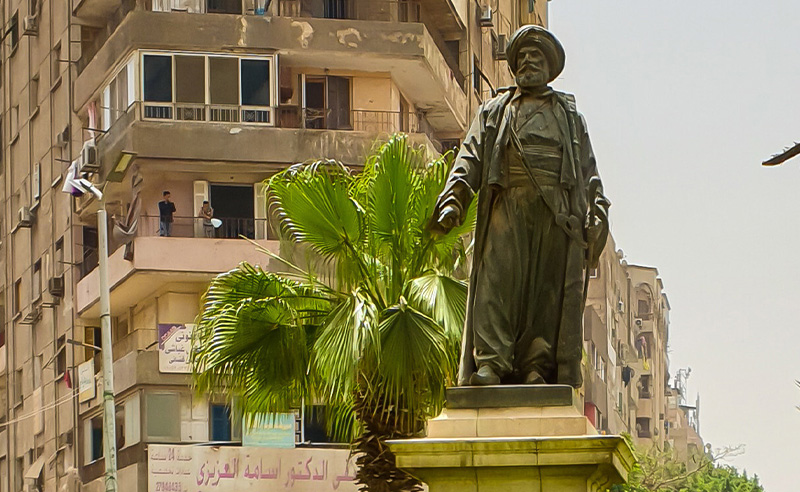
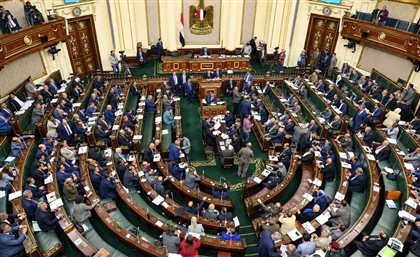
Walking through Downtown Cairo’s streets, you move through density and proximity. The urban fabric is defined by layered histories that remain in use, where Belle Époque façades sit alongside later interventions, and streets carry the imprint of political moments, commercial cycles, and everyday routines.
Landmarks such as the lions of Qasr El Nile anchor key thresholds, but the district is shaped just as much by informal rhythms, shifting occupations, and the intensity of street life. Cafés spill outward onto sidewalks, gallery doors open directly onto pavements, and cultural expression unfolds across the street edge. Movement through Cairo’s Downtown is continuously redefined by those who occupy it, pause within it, or pass through it.
When designing a hotel in such a layered context, the reading of the city aligns with El Ghoneimi International’s broader approach to hospitality. Across their portfolio, local context is translated into spatial systems that meet international hospitality standards rather than being reduced to aesthetics alone, carrying the city’s logic through material, sequence, and atmosphere into the guest experience.
Within this reading of hospitality, Moxy Hotels, under Marriott International, operates as a boutique brand designed for young travellers, focusing on design-led stays and socially driven public spaces, with a bar-based check-in and communal areas that prioritise interaction over formal hotel reception systems.
Moxy Lazoghly marks the arrival of the first Moxy Hotels in Egypt, as El Ghoneimi International channels the active urban condition of Downtown Cairo through this approach. The project draws on the district’s architectural heritage and cultural energy, while responding to its ongoing revival as a place of artistic production and everyday social life.
“The concept draws from Downtown Cairo’s layered urban life,” says Shadi El Ghoneimi, Partner and Head of Design at El Ghoneimi International. “It is about capturing the energy, the overlap, and the way the city is experienced on the ground.”
Three keywords structure the project: social, playful, and bold, operating as spatial strategies rather than visual themes. Social shapes the layout and flow, prioritising interaction through interconnected spaces that dissolve boundaries between public and private zones. Playful informs the sequencing of experience, introducing moments of surprise and informality that reflect the energy of Downtown’s street life. Bold defines the project’s architectural expression through confident forms, striking material choices, and deliberate contrasts, establishing a strong, contemporary presence within its historic context.
The idea is framed internally as a walk through the city, not as a literal sequence, but as a way of organising the experience. Public areas are open and visually connected, allowing different uses to coexist within the same field, reflecting the overlap of cafés, galleries, and street activity outside. Circulation remains continuous, shaped through shifts in material, lighting, and proportion rather than fixed boundaries.
“The intention was to create a space that remains active throughout the day,” El Ghoneimi explains. “One that reflects the rhythm of the city, where movement, colour, and interaction are constant.”
Material decisions draw from the district’s visual density and cultural expression. Colour is introduced with intent, reflecting the immediacy of street life, while surfaces carry variation through layered finishes and textures. References to music, performance, and artistic production inform the atmosphere without turning into direct representation.
Within the guest rooms, this approach is distilled. The 20-square-metre layout is structured around clarity and efficiency, with one concentrated moment of expression. A patterned headboard introduces visual intensity, referencing figures from Cairo’s cultural memory, while the rest of the space is kept laidback and functional. Layered textures echo the surrounding streets, but are controlled to maintain comfort.
“The balance was important,” El Ghoneimi notes. “To bring in cultural expression without compromising how the room performs.”
Through these strategies, Moxy Lazoghly positions itself within the ongoing condition of Downtown Cairo. The hotel draws from a district that continues to evolve, where heritage, cultural production, and everyday life remain closely intertwined, and translates that into a hospitality environment that is direct, legible, and grounded in place.
As Downtown Cairo undergoes a wave of restoration, with landmark buildings being revived and reoccupied, attention is steadily shifting back to the city’s core. Within this context, Moxy Lazoghly positions itself as part of that return, aligning with a broader movement that prioritises reintegration and a renewed intensity of urban life.
- Previous Article The Chedi El Gouna x Scene Eats Host 30 Cognoscenti at Nihon
- Next Article The Better Concept Adds Peanut Butter Matcha Whip to the Menu