






Egypt's Annual Urban Inflation Rises to 14.9% in July 2026
Housing, transport and education recorded the steepest annual price increases, according to CAPMAS.

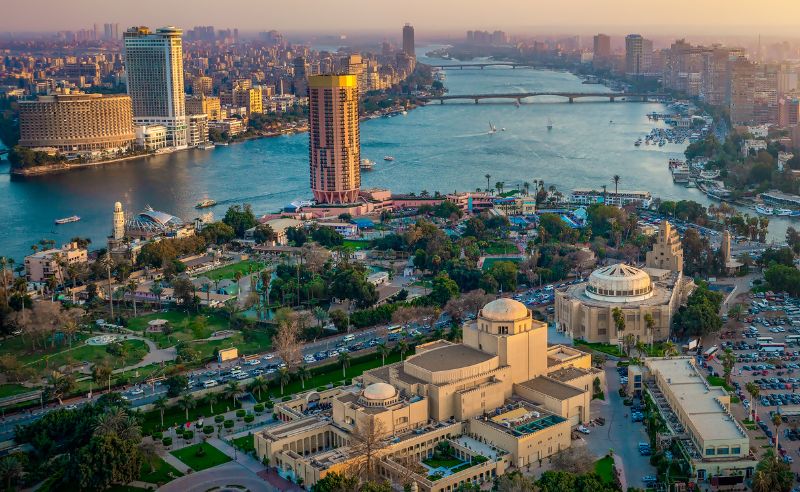
Annual urban inflation accelerated to 14.9% in July 2026, up from 14.3% in June, according to new figures released by the Central Agency for Public Mobilisation and Statistics (CAPMAS).
Across Egypt, annual headline inflation reached 13% in July, compared with 12.2% the previous month. Meanwhile, the general consumer price index stood at 289.9 points, reflecting a 0.1% monthly increase.
The largest annual price increases were recorded in housing, water, electricity, gas and fuel, which rose 31.1% year-on-year. Within the category, actual rents increased by 28.1%, while imputed rents climbed 50.9%. Transport and communications rose 21.1%, driven by a 23.9% increase in transport services, an 18.8% rise in private transport expenditure and an 11.5% increase in vehicle prices. Education costs also increased 20% over the year.
Elsewhere, furniture and household maintenance prices rose 15.2%, while restaurants and hotels increased 13.3% and clothing and footwear climbed 13%. Food and beverages recorded a more modest annual increase of 7.9%, with meat and poultry rising 4%, fish and seafood 4.4%, and cereals and bread 2.9%. Prices for dairy products, cheese and eggs declined by 1%.
The Central Bank of Egypt (CBE) reported that monthly core inflation stood at 0.0% in July, while annual core inflation edged up to 14.7% from 14.3% in June.
Following its July 9th Monetary Policy Committee meeting, the CBE said it expects headline inflation to accelerate during the third quarter of 2026, albeit at a slower pace than previously forecast, supported by improved foreign exchange conditions and easing inflationary pressures. The bank left interest rates unchanged for a third consecutive meeting and reiterated its expectation that inflation will gradually decline towards its target of 7% (±2 percentage points) during the second half of 2027, while noting that regional geopolitical developments continue to pose upside risks.
Related Articles
Trending This Week
-
-

-
 Sep 28, 2026
 -