






Egyptian Brand Haus of Oma Turns Grief Into Wearable Prints
Haus of Oma turns childhood drawings and grief into oversized pareos, unisex canvases where hidden details and the reoccurring eye motif do the talking.


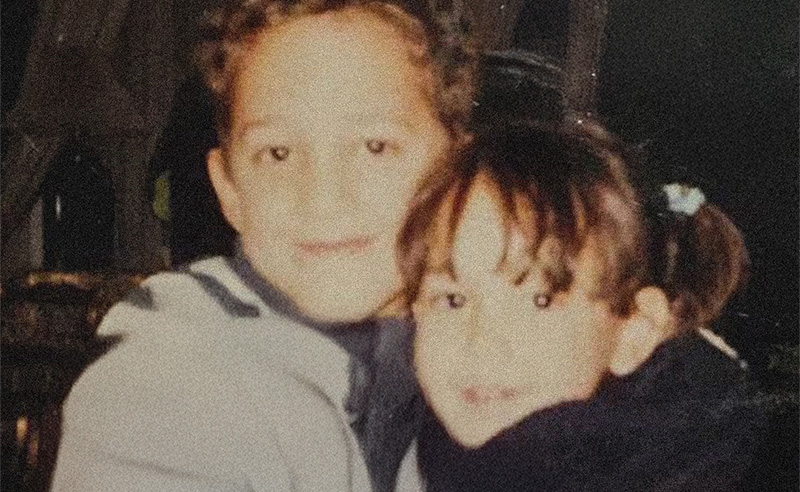
Egyptian brand Haus of Oma begins with a deliberate omission. The missing “r” in Omar isn’t a typo, but holds deeper meaning. As the designer and founder Omar Lotfy puts it, “The R is all about the missing message.” Oma as mother or grandmother across languages and a nickname he grew up with tied to home, family, and the way memory gets folded into daily life.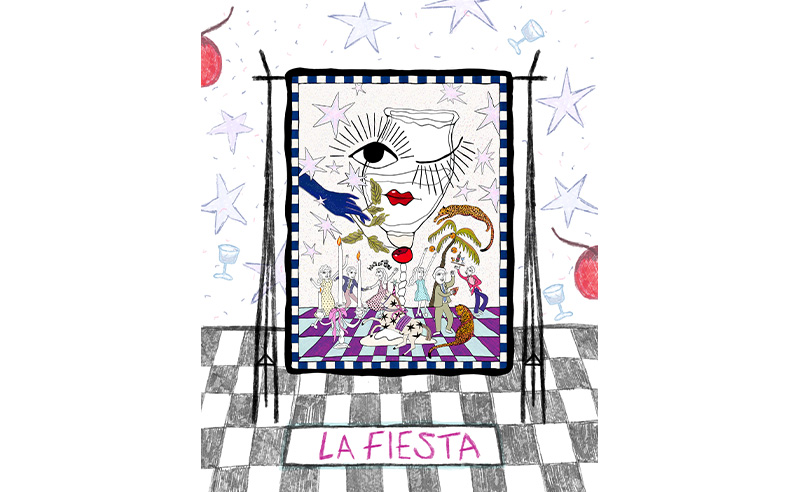 This intimacy is sharpened by loss. Haus of Oma’s reintroduction this year is threaded through the passing of Lotfy’s twin sister, and the work often reads like a conversation he’s still trying to finish. “Growing up with a twin shapes you. Losing her was incredibly difficult, but Haus of Oma is always a way that connects me to her. This is something we always wanted to do together. It was our dream and now I want to make it come true.”
 On Instagram, Haus of Oma begins not with a product, but with the origin story: childhood photos, a family table, and early drawings that anchor the brand to a time before “brand” was even part of the picture. “I started my very first ever sketch when I was like 6 or 7 years old, and that is interwoven all throughout the designs” he says. This gesture portrays House of Oma as a personal archaeology of Lotfy and his dreams and past reimagines: letters written to strangers, scenes redrawn from memory, feelings turned into objects you can hold.
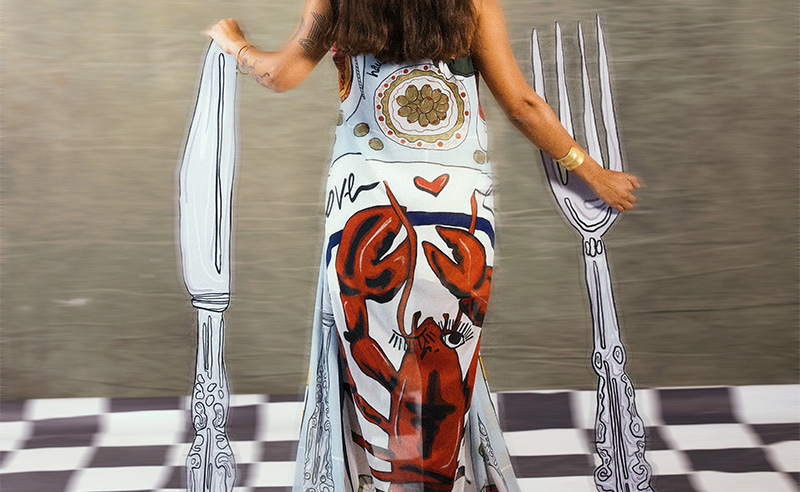
 The pareos are where that philosophy becomes wearable. They function like portable canvases, oversized, unisex, meant to shift roles depending on who’s styling them. One design recreates a celebratory meal from his childhood, another revives his sister’s childhood drawing, rebuilt with House of Oma’s recurring codes. Each illustration becomes a playful story, but behind it depicts a story from the past: one of Lotfy’s dreams, a family meal, a memory from childhood summers spent in the garden.
 House of Oma’s world doesn’t end at fabric. Lofty’s background in architecture and experience design shows up in how he thinks about the future of the label – fashion now, interiors later, and an eventual space where everything is part of the same language. For the next chapter, he’s also pushing the pareo beyond resort styling and into an urban wardrobe, inviting wearers to keep reinterpreting the piece – again, and again.
Related Articles


Trending This Week
-

-
 Mar 30, 2026
 -

-