






Cairo's Kairo Knots Transforms Childhood Memories Into Home Objects
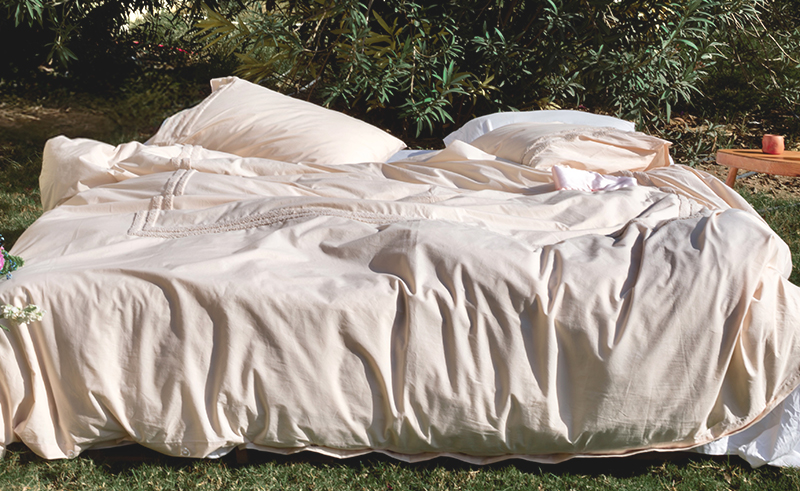
Cairo-based brand Kairo Knots crafts bed, table linens and cushions inspired by childhood, in 100% Egyptian cotton.
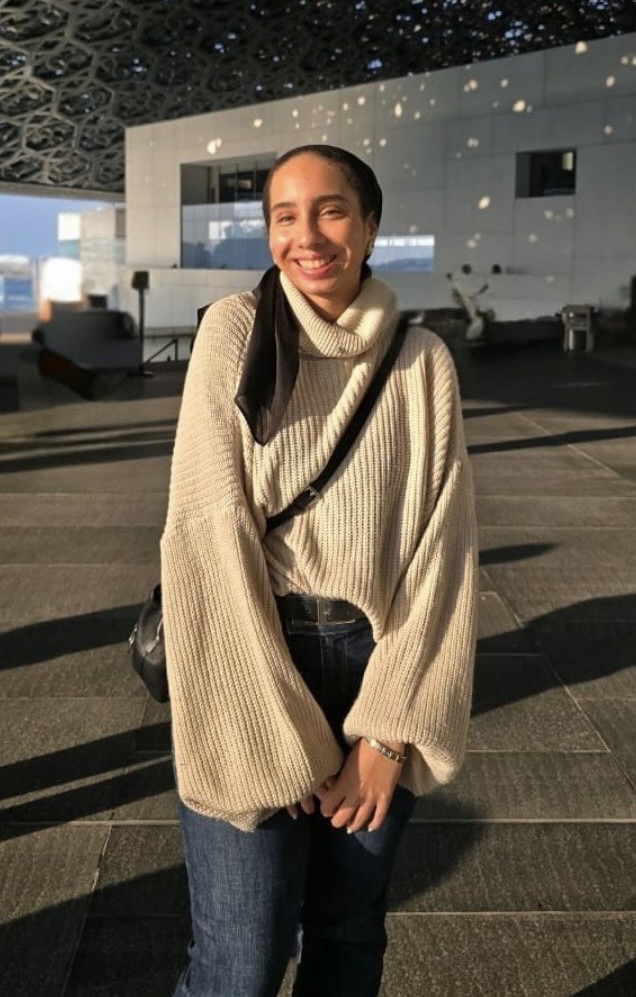
Textiles begin long before they enter the home, shaped by material, machinery, and the decisions made on the factory floor. At Kairo Knots, that process remains close and visible. Sisters and Co-Founders Magie Galal and Yara Galal established their factory before defining the brand itself, assembling embroidery machines, building a team, and producing home linen for export. Their focus was on understanding production as a complete system and how fabric moves through each stage, from raw material to finished object.
Both sisters grew up around embroidery. Their father designed and exported embroidery machines, and technical knowledge formed part of their everyday environment. Still, neither expected to return to it. Magie built a career managing factory operations, planning, and logistics in a corporate setting, while Yara worked with children with learning difficulties.
Their return to embroidery happened gradually. During maternity leave, Yara found herself drawn back to the machines she had grown up around. “I always had a love for design, but never pursued it. When I took my maternity leave, he said there was so much that needed to be done with these machines,” Yara Galal tells SceneHome.
They decided to establish their own factory, creating a space where they could oversee both production and design. Magie’s operational experience shaped the structure of the factory, while Yara focused on developing products and building a team. Her background in teaching informed how they approached hiring, prioritising flexibility and support for employees with families, and creating an environment that could accommodate different personal circumstances alongside production.
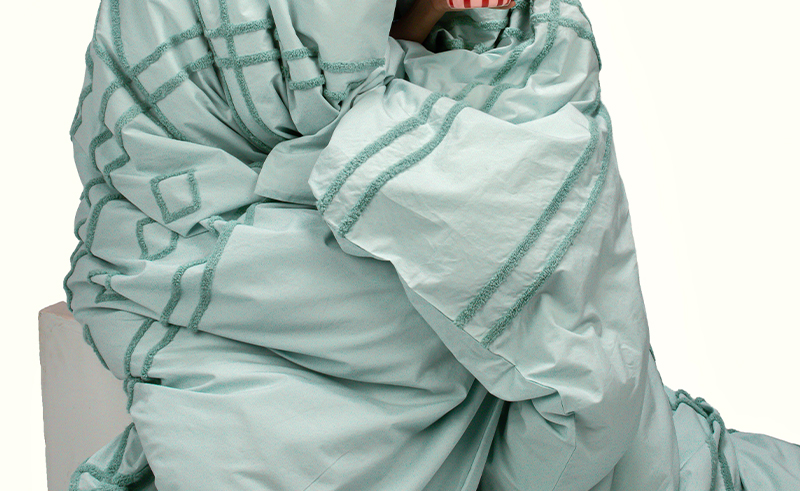
From this operational base, their own collections emerged. They began with bed linen, shaped by close attention to material and daily use. “We decided we wanted products we’d want in our home—things our kids would sleep on, things we would live with every day. We didn’t want polyester or anything that felt artificial. We spent months sourcing the right cotton, because the fabric had to feel right to us before it became part of someone else’s home,” Yara Galal says. Cotton became central to their process, and sourcing it took time, testing different options until they found one that aligned with their standards.
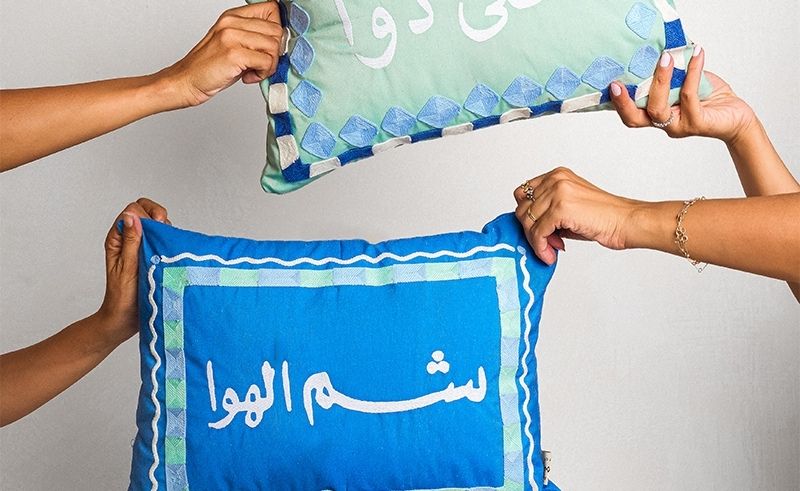
Embroidery defined the work. Having direct access to machines allowed them to develop designs through sampling, refining colour and composition directly on fabric. Cushions followed along with table linens, offering a format to experiment with motifs, colour combinations, and embroidered text. The factory allowed ideas to move quickly from concept to sample, creating a direct relationship between design and production.
Their design process begins with instinct and memory. Ideas are discussed together, then developed with their designer through sketches and revisions. “We usually start with an idea and collaborate with our designer. The drafts get refined, the colours might change, and we keep adjusting until it feels like something we connect with and want to live with ourselves,” Yara Galal says.
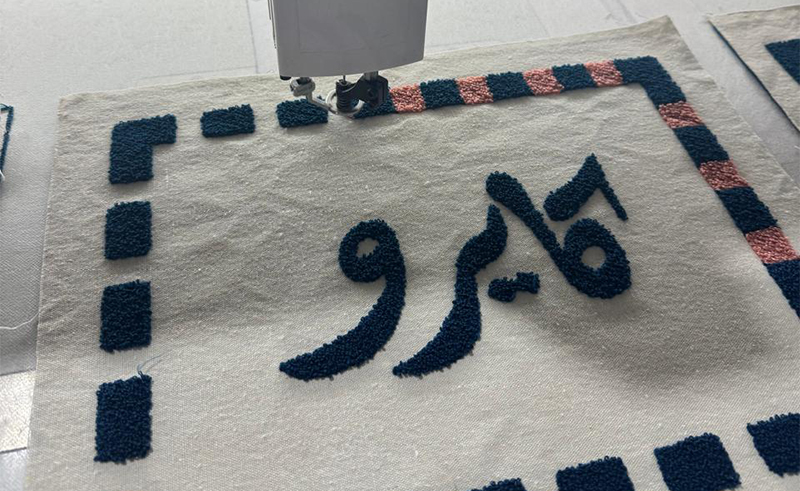
Their upbringing continues to shape the visual language of their work. Their mother’s attention to embroidery and their father’s attachment to traditional forms remain present, alongside references drawn from their childhood and daily lives. These influences appear through stitched phrases, colour choices, and compositions that carry familiarity and personal meaning.
The factory itself reflects their values. They built a team structure that accommodates family life, allowing flexibility and encouraging long-term relationships within the workplace. Magie’s experience in planning and logistics ensures production remains organised, while Yara remains closely involved in the development of each piece. Their presence on the factory floor remains constant, moving between machines, reviewing samples, and refining details.
Their partnership depends on constant communication and mutual support, shaped by their roles as sisters, mothers, and business owners. “Support systems are crucial. Whether it’s a friend, a partner, or a sibling, having people you can rely on makes a big difference. Building something like this takes trust and constant communication,” Magie Galal says.
Balancing work and family remains part of their daily reality. “This is my life, my time away from my kids,” Yara Galal says. That awareness informs how they structure both their work and their factory, shaping a practice grounded in both making and lived experience.
Related Articles

Trending This Week
-
-
 Oct 15, 2026
 -

-