





Learning to Dive in Marsa Alam as a Claustrophobic Swimmer
Reflections on learning to dive in the Red Sea, and the strange, seductive pull of a world where the boundary between body and sea begins to dissolve.
I’m claustrophobic. Contained within small spaces I start to feel my heart palpitate and my hands sweat. I can enter an elevator, but put me in a busy bus and pin me between a horde of people and I begin to imagine my organs pressing into one another, my atoms skittering across my skin in search of release until eventual combustion. Irrational, maybe, but no less real.
I was told claustrophobia and diving do not mix. Ironic, because to enter the sea you’re surrounded by this endless expanse of water that seemingly never ends. How could that provoke the same fear? Yet according to internet rabbit holes, it has the opposite effect. When you’re enclosed in water, restricted by equipment that gives you the capacity to breathe and see, and with a clear understanding that you’re unable to reach the surface instantly—you panic. All of a sudden this endless horizon shrinks and wraps you in a tight blanket of no escape.
And yet, despite knowing this, I armed myself with the same deep-seated stubbornness that got me through eleven years of competitive swimming, and drove with my friends to a small diving camp on the coast of Marsa Alam to get our diving certifications.
As part of the licence, you have to complete a series of exercises, one of which is removing your mask underwater and putting it back on. Easy, in theory. But in the embrace of the Red Sea, the moment I took off my goggles, my vision vanished in an instant. Underwater, suddenly deprived of yet another sense, I began to panic. My brain understood what was happening—of course you can’t see underwater—but my body reacted as if I had been stripped of all agency. All I wanted was to shoot to the surface, fill my lungs with air, and free myself from the water pressing in around me.
But you can’t. Rising too quickly would make the pressure in your ears pop.
In the silent sign language of diving, the instructor looked at me intently and moved his hands gently up and down: breathe slower. With no other choice, I tried to step outside the panic of my mind and body and focus only on my breath. After what felt like an eternity, I accepted the blur of the water-filled mask and, slowly, managed to empty it.
It was after that exercise that I began to understand diving has very little to do with physical capacity, and everything to do with learning how to quiet the body’s most insistent rules. On land, breath feels automatic, almost invisible; underwater, it's intentional, becoming the only thing that matters. Every instinct tells you that you do not belong there, that submersion means danger. Instead, diving asks for surrender.
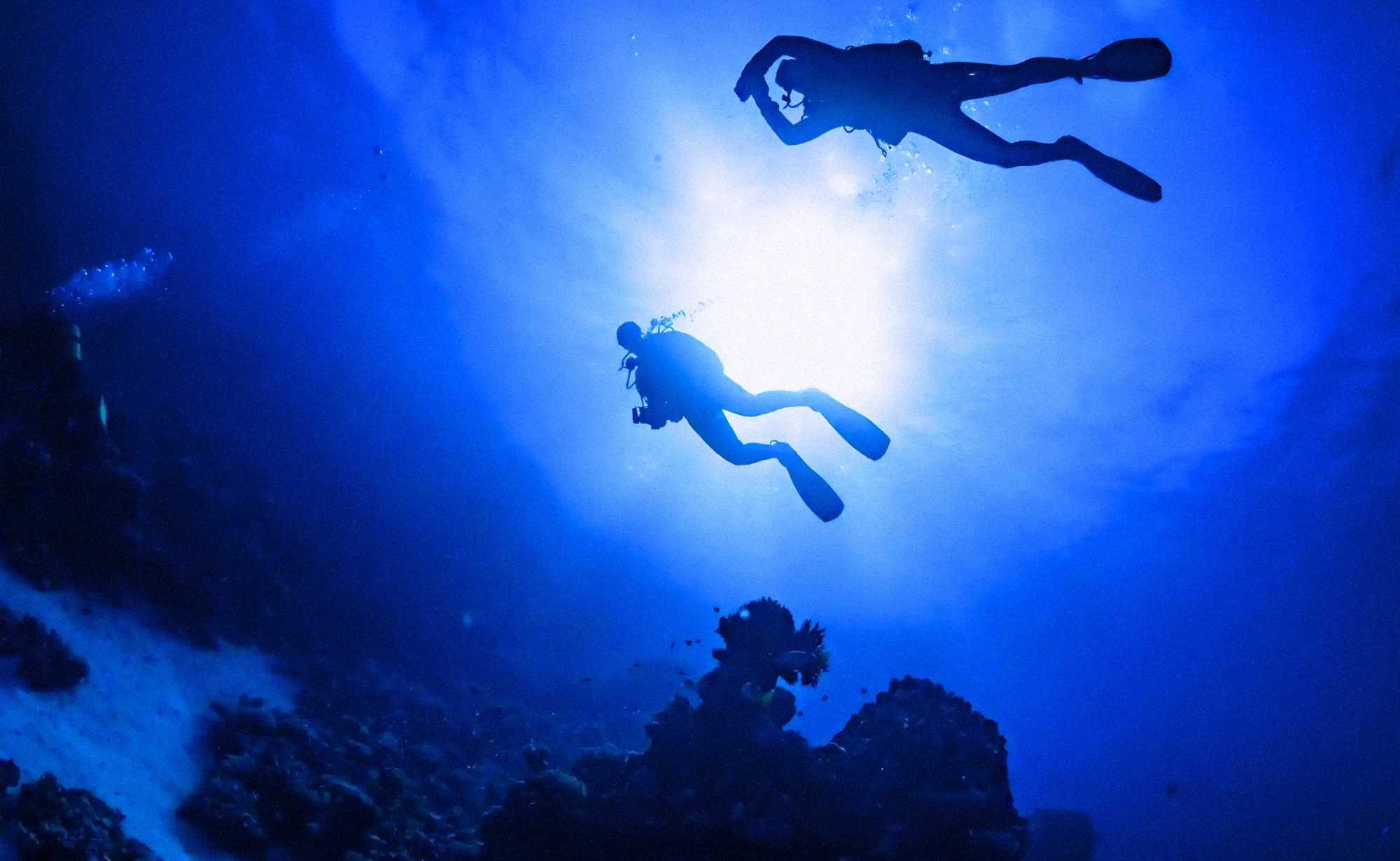
 Slowly, as I finally understood how to step outside the restraints of my body, I began to notice all the small universes around me. Corals brimming with schools of fish that swirled past in bursts of colour. A swaying turtle that ventured close enough for me to touch. A whole seascape that suddenly took on the logic of a tiny neighbourhood: anemones like front porches, coral towers like apartment blocks, narrow passages opening into busy streets of movement. Everywhere I looked, life animated the water with the same wonder I knew from the cartoons I grew up with—Nemo tucked in his home, Dory drifting through some new corner of the reef—except here it was happening all at once in front of me, vividly and without a frame.
Even in this childlike state, at times, I would catch something unsettling in the pit of my stomach. The opening sequence of ‘Finding Nemo’ begins with two divers, decked in their gear and oxygen tanks, hovering above tiny neighbourhoods as they come to life. As they drift away, little Nemo follows...I kept thinking about that image. Was I one of those clunky figures, suspended in awe yet oblivious to the consequences of my presence? Did I deserve to be there at all? At my most reverent, I was still a spectator, and there was something unsettling about that role. To enter an unfamiliar world, to look closely, to be moved by its strangeness while remaining untouched by the conditions that make such looking possible. I thought of ethnographic documentaries, where distant lives were framed as objects of fascination—watched, catalogued, narrated. Underwater, I began to wonder whether my gaze, however tender I believed it to be, carried some faint echo of that same entitlement.
Slowly, as I finally understood how to step outside the restraints of my body, I began to notice all the small universes around me. Corals brimming with schools of fish that swirled past in bursts of colour. A swaying turtle that ventured close enough for me to touch. A whole seascape that suddenly took on the logic of a tiny neighbourhood: anemones like front porches, coral towers like apartment blocks, narrow passages opening into busy streets of movement. Everywhere I looked, life animated the water with the same wonder I knew from the cartoons I grew up with—Nemo tucked in his home, Dory drifting through some new corner of the reef—except here it was happening all at once in front of me, vividly and without a frame.
Even in this childlike state, at times, I would catch something unsettling in the pit of my stomach. The opening sequence of ‘Finding Nemo’ begins with two divers, decked in their gear and oxygen tanks, hovering above tiny neighbourhoods as they come to life. As they drift away, little Nemo follows...I kept thinking about that image. Was I one of those clunky figures, suspended in awe yet oblivious to the consequences of my presence? Did I deserve to be there at all? At my most reverent, I was still a spectator, and there was something unsettling about that role. To enter an unfamiliar world, to look closely, to be moved by its strangeness while remaining untouched by the conditions that make such looking possible. I thought of ethnographic documentaries, where distant lives were framed as objects of fascination—watched, catalogued, narrated. Underwater, I began to wonder whether my gaze, however tender I believed it to be, carried some faint echo of that same entitlement.
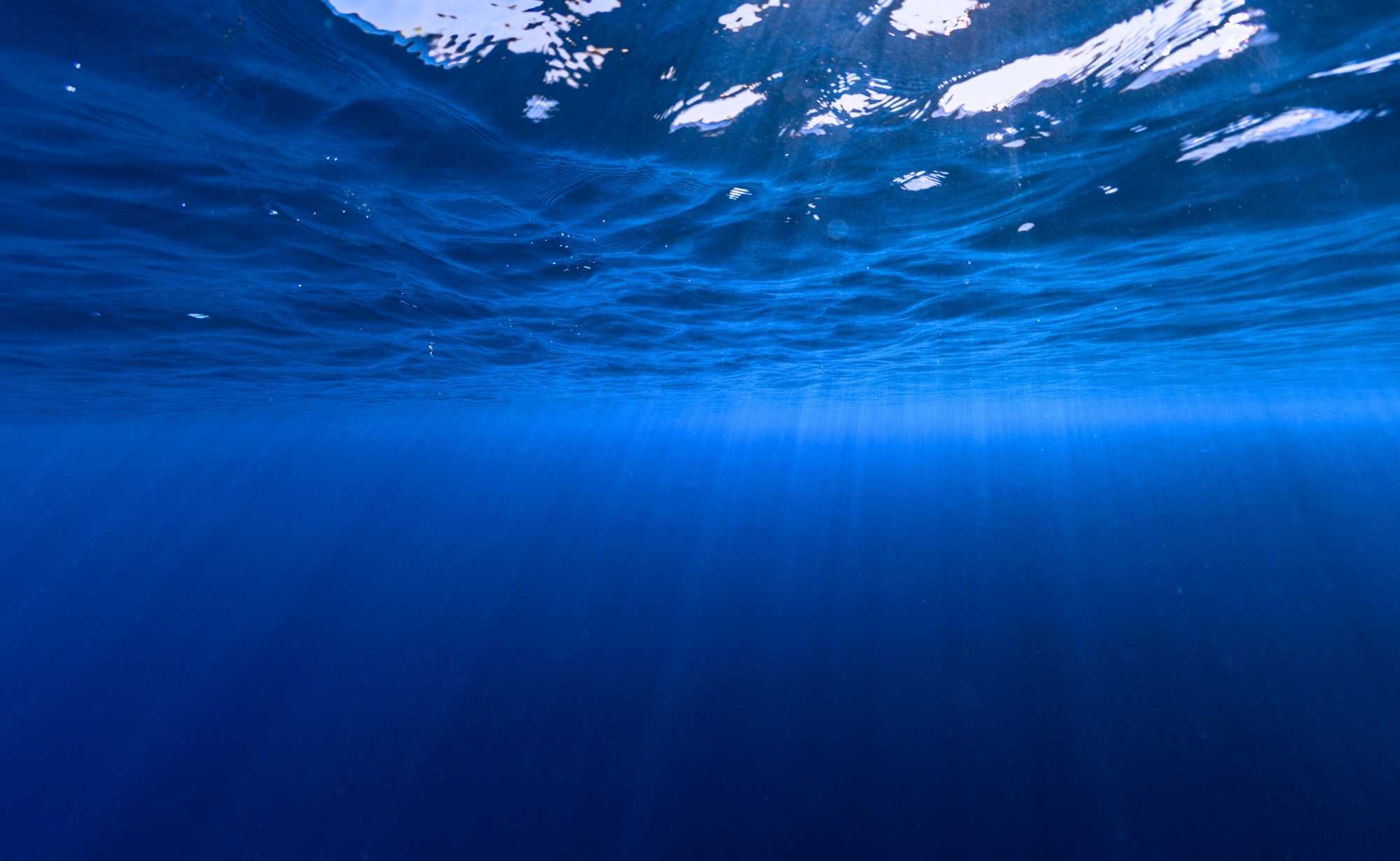
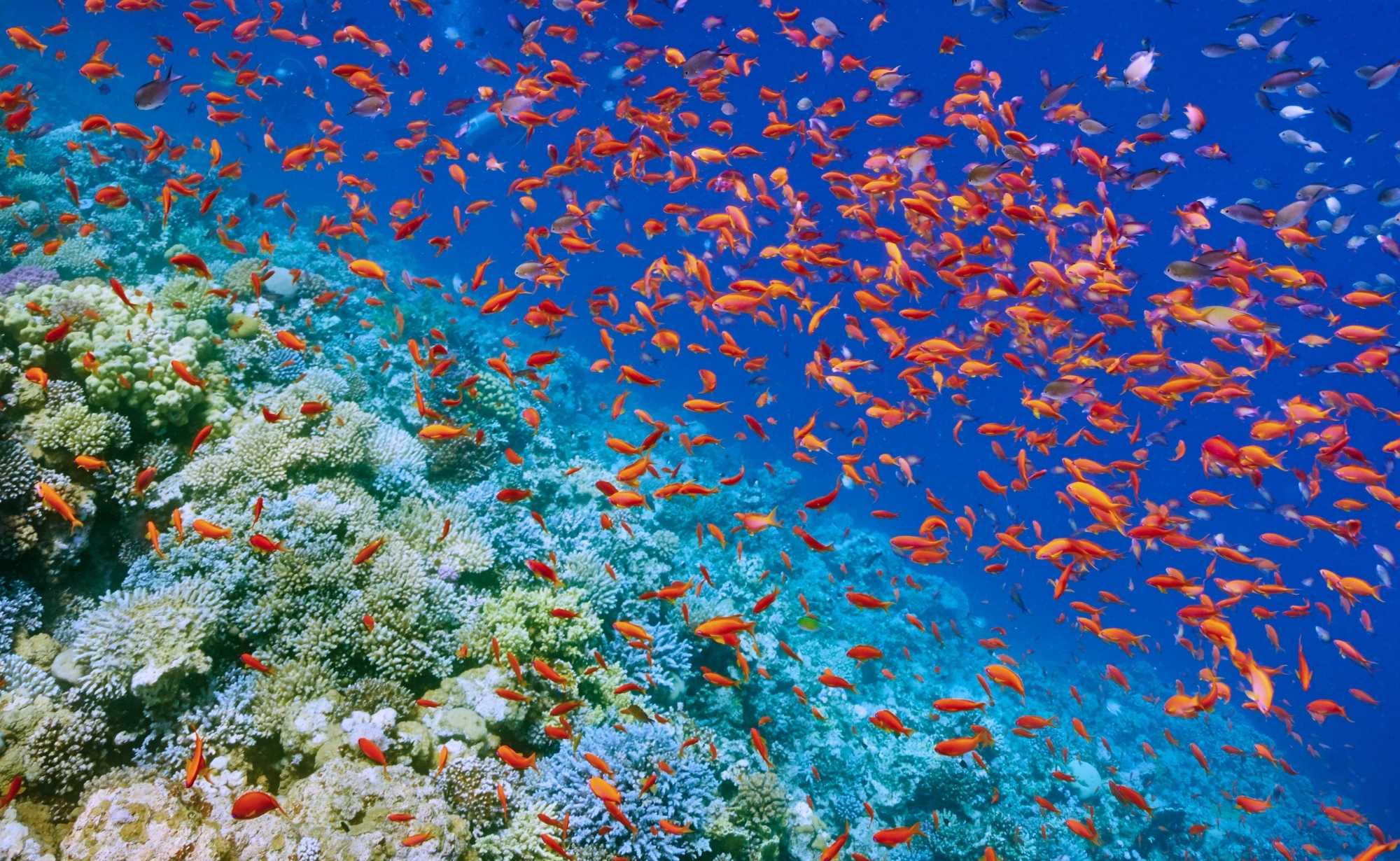 Then there was the open blue. In the beginning, you dive along the coastline, tracing the edges of the coastal reef where life gathers in abundance. But just beyond it, to your right, is the vast expanse of the sea itself. Every time I turned my head, I was met with that deep turquoise blue, a colour so immense it seemed to hold life in perpetuity. I could feel my body subtly drifting towards it, as though something in its depth were calling out. In this state, where the mind almost forgets the body’s restraints, the “I” stops feeling sealed off. For a moment, I succumbed to the fantasy, slipping free from myself entirely and dissolving into something boundless and blue.
My diving partner, catching the slight drift of my body beyond the coral reef, pulled me gently back, guiding me closer to shore. I still can’t fully explain why that great expanse drew me in so powerfully. Maybe it was the same feeling as looking up at the stars in the desert, or imagining an astronaut drifting beyond the limits of earthly life into orbit. In both, you are confronted by scale, by the humbling fact of your own smallness. You become a speck suspended within something vast and unknowable. Or, as Samantha Harvey writes in Orbital, a novel about six astronauts circling Earth aboard the International Space Station: “What can we do in our abandoned solitude but gaze at ourselves? To look to the void (which still isn’t answering) and build spaceships anyway.” Looking down at the planet from orbit, the astronauts are met with the same paradox as divers in the sea—the immensity of emptiness, and the instinct to keep reaching into it anyway.
Then there was the open blue. In the beginning, you dive along the coastline, tracing the edges of the coastal reef where life gathers in abundance. But just beyond it, to your right, is the vast expanse of the sea itself. Every time I turned my head, I was met with that deep turquoise blue, a colour so immense it seemed to hold life in perpetuity. I could feel my body subtly drifting towards it, as though something in its depth were calling out. In this state, where the mind almost forgets the body’s restraints, the “I” stops feeling sealed off. For a moment, I succumbed to the fantasy, slipping free from myself entirely and dissolving into something boundless and blue.
My diving partner, catching the slight drift of my body beyond the coral reef, pulled me gently back, guiding me closer to shore. I still can’t fully explain why that great expanse drew me in so powerfully. Maybe it was the same feeling as looking up at the stars in the desert, or imagining an astronaut drifting beyond the limits of earthly life into orbit. In both, you are confronted by scale, by the humbling fact of your own smallness. You become a speck suspended within something vast and unknowable. Or, as Samantha Harvey writes in Orbital, a novel about six astronauts circling Earth aboard the International Space Station: “What can we do in our abandoned solitude but gaze at ourselves? To look to the void (which still isn’t answering) and build spaceships anyway.” Looking down at the planet from orbit, the astronauts are met with the same paradox as divers in the sea—the immensity of emptiness, and the instinct to keep reaching into it anyway.
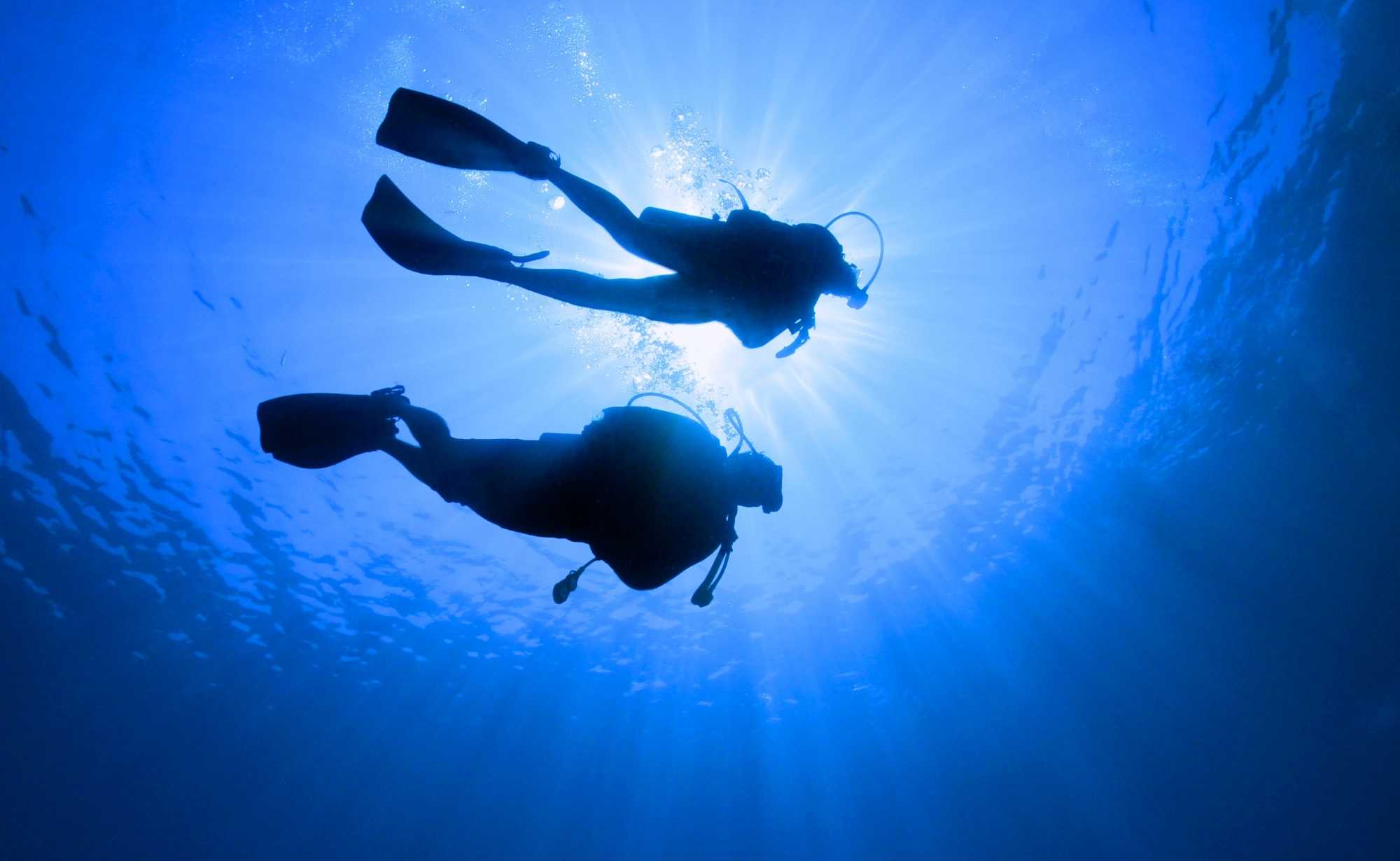 But the more I was lulled by the sea’s embrace, the more I submitted to another thought: not transcendence exactly, or even curiosity, but porosity. I’m reminded that we are all bodies of water. Submerged in the sea I was not leaving the world behind, but feeling my continuity with it more vividly. Feminist phenomenologist Astrida Neimanis writes how water reveals that bodies are not self contained, but always exchanging, leaking, absorbing, holding, and being held. The blue does not erase me so much as loosen my edges, returning me to a wider circulation.
Underwater, the tank and gear had suspended my disbelief in my own limits. I could forget, if only for a while, that breath is finite, that muscle tires, that the body is always keeping count. But back on shore the self has a way of recentering itself. Hunger returned first, then exhaustion, then that familiar heaviness of being a body held down by gravity, attuned to the muffled insistence of flesh.
Yet after five days of diving three times a day, I could still feel its sway in my core.
In that loosened state of dreams that only follows deep slumber, the sea returned once again. My breath began to change shape, taking on the slow, measured rhythm it had learned underwater. My body felt as if it were still beneath the surface, inflating and deflating with the sea. I could almost make out the reef, the corals, the small lives that moved in bright swirls just beyond reach. And once again, I found that temporary freedom, the one that keeps drawing me bak to the deep and endless blue.
But the more I was lulled by the sea’s embrace, the more I submitted to another thought: not transcendence exactly, or even curiosity, but porosity. I’m reminded that we are all bodies of water. Submerged in the sea I was not leaving the world behind, but feeling my continuity with it more vividly. Feminist phenomenologist Astrida Neimanis writes how water reveals that bodies are not self contained, but always exchanging, leaking, absorbing, holding, and being held. The blue does not erase me so much as loosen my edges, returning me to a wider circulation.
Underwater, the tank and gear had suspended my disbelief in my own limits. I could forget, if only for a while, that breath is finite, that muscle tires, that the body is always keeping count. But back on shore the self has a way of recentering itself. Hunger returned first, then exhaustion, then that familiar heaviness of being a body held down by gravity, attuned to the muffled insistence of flesh.
Yet after five days of diving three times a day, I could still feel its sway in my core.
In that loosened state of dreams that only follows deep slumber, the sea returned once again. My breath began to change shape, taking on the slow, measured rhythm it had learned underwater. My body felt as if it were still beneath the surface, inflating and deflating with the sea. I could almost make out the reef, the corals, the small lives that moved in bright swirls just beyond reach. And once again, I found that temporary freedom, the one that keeps drawing me bak to the deep and endless blue.
- Previous Article SceneNoise x Amsterdam Dance Event Present CROSSFADE: Egypt
- Next Article Tabby Launches School Fee Payment Plans Across UAE
Related Articles


Trending This Week
-
-
 Oct 15, 2026
 -

-