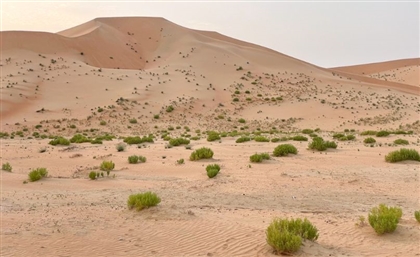






There’s an Abandoned Medieval Village in Egypt's Dakhla Oasis
Founded in the 12th century, during the time of Saladin, Al-Qasr was built with one goal: survival.

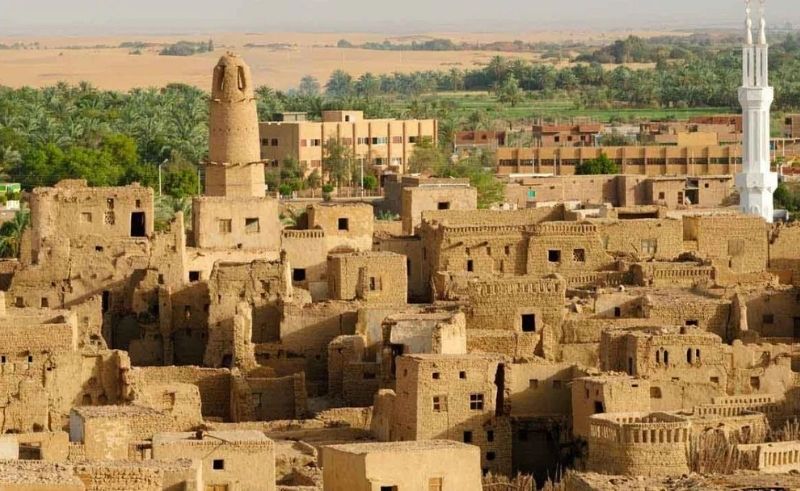
If Egypt’s Western Desert could tell stories, Al-Qasr would be whispering them all. Tucked in the remote Dakhla Oasis, this medieval mudbrick village dates back to the 12th century, a time when Saladin’s influence shaped much of Egypt. Unlike grand citadels or monumental palaces, Al-Qasr was built with one goal: survival. Its narrow lanes, low doorways, and thick mud walls are a testament to a town that mastered both defense and the harsh desert sun. For centuries, Al-Qasr was a vital stop along caravan routes, trading dates, salt, and everything in between. Merchants, travellers, and storytellers passed through, leaving traces of their lives behind. That legacy is carved into the village itself—wooden lintels inscribed with Qur’anic verses and the names of past residents still stand as quiet memorials. Today, the village’s 12th-century mosque, with its rare wooden minaret, still watches over those treading along its shadowed alleys, echoing centuries of whispered prayers, exchanged goods, and hurried greetings. And right outside its sunbaked walls, the vast sands of the Western Desert stretch endlessly, a quiet witness to a history both resilient and fleeting.
- Previous Article Is Hamza AbdelKarim’s Barcelona Move a Shift For Egyptian Footballers?
- Next Article What a Cairo Marwan Gathering Really Memes