





New Ramadan Guidelines Issued for Mosques Nationwide
The Ministry of Islamic Affairs has outlined updated rules covering prayer timings, i‘tikaf, iftar arrangements and charitable practices during Ramadan.

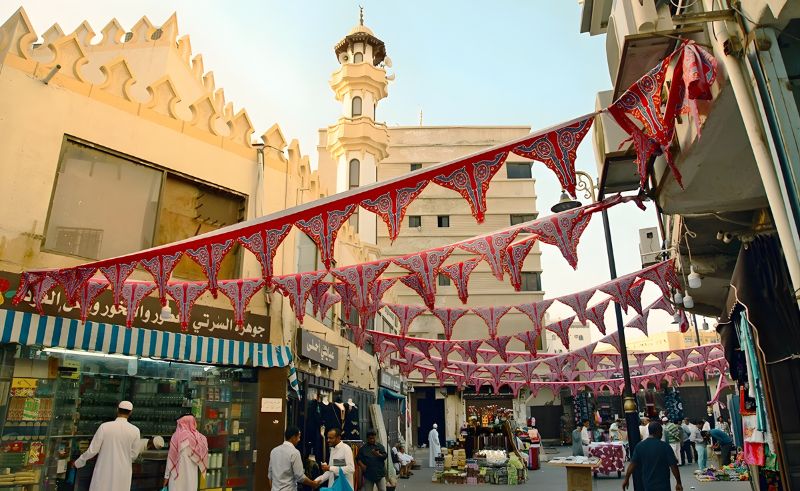
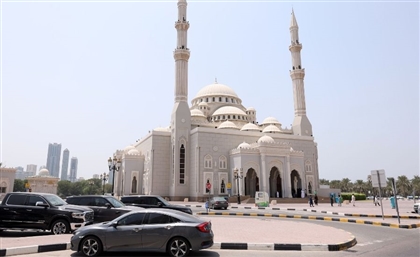
New Ramadan guidelines have been issued for mosques across the Kingdom, setting out detailed standards on prayer timings, staffing, i‘tikaf, charitable activity and on-site iftar arrangements.
The Ministry of Islamic Affairs, Call and Guidance said the circular applies to imams, muezzins and mosque workers, requiring full attendance throughout the month, with absences permitted only in cases of necessity and subject to official approval and the appointment of a substitute.
Mosques must adhere strictly to the Umm Al Qura calendar. The Isha call to prayer is to be delivered at its scheduled time, with a fixed 15-minute interval before the congregational prayer, a requirement that also applies to Fajr to support attendance. During the last ten nights of Ramadan, Tahajjud prayers are to conclude before dawn in a manner that avoids hardship for worshippers. Supplications during Qunut should follow prophetic tradition, maintaining humility and moderation, without excessive length or ornate rhyming. Imams are also encouraged to deliver religious lessons and guidance throughout the month.
The ministry reiterated restrictions on surveillance and media use, stating that cameras must not be used to film worshippers or imams during prayers, and that live broadcasting or transmission of prayers through any media platform is prohibited. Begging inside mosques or in surrounding areas is banned, with mosque staff instructed to report violations to security authorities. Worshippers were urged to ensure that zakat and other donations are directed to legitimate recipients.
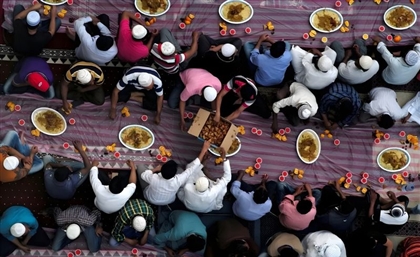
Specific rules were also outlined for i‘tikaf, requiring mosques to register participants, verify their details and, for non-Saudi participants, obtain approval from a recognised sponsor. The collection of cash donations for iftar programmes or similar initiatives is prohibited. Iftar meals may only be organised in designated mosque courtyards under staff supervision, with areas cleaned immediately after use. Donations of bottled water are to be regulated according to actual need, and large-scale storage is discouraged.
- Previous Article eYouth Expands to Iraq With First Arabic Digital Learning Platform
- Next Article Morocco's Lavish Bahia Palace Upholds Forgotten Narratives