





Two Egyptians Met in London & a Supper Club was Born
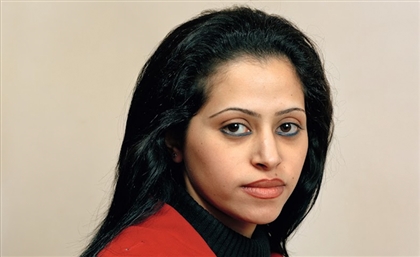
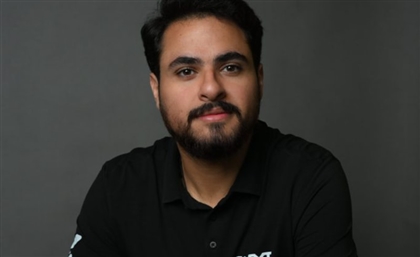
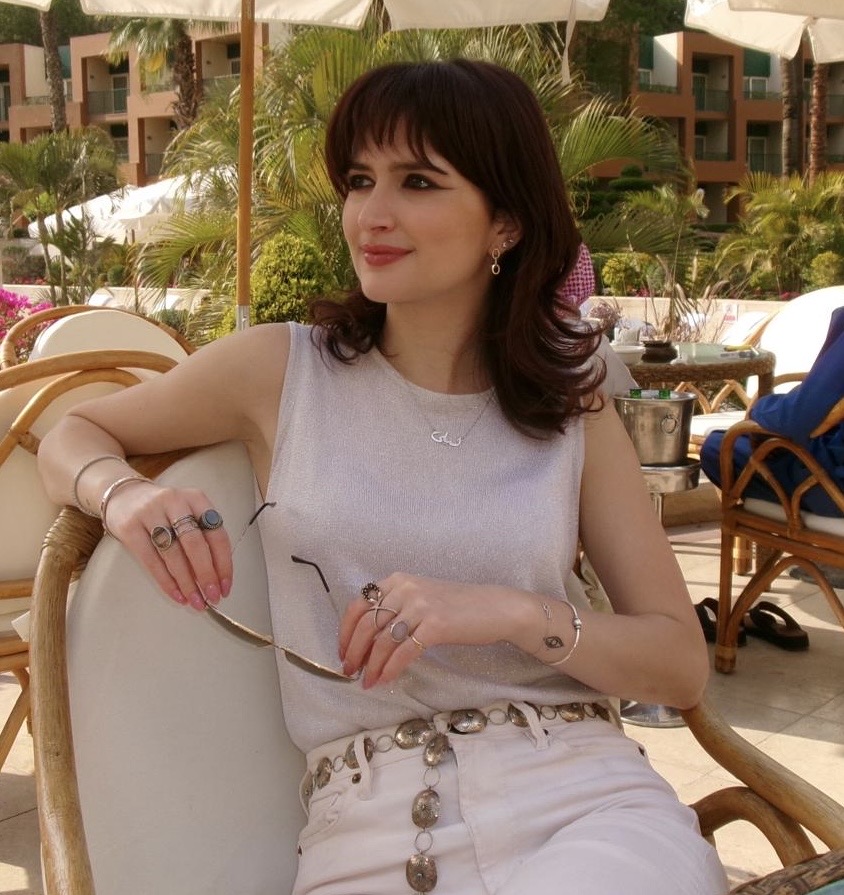
Egyptians Zeina Dowidar and Seif Elsobky teamed up to host the monthly Claypot Supper Club, a London-based supper club that serves food and conversation family-style.
The concept of the “supper club” popped up in the United States in the early 20th century as a dinner experience that was as much about the food as it was about the people you met—where an hour-long meal turned into a night-long outing. A century later, they’ve transformed into a trendy space for much-needed personal connection in an ever-increasingly digital world.
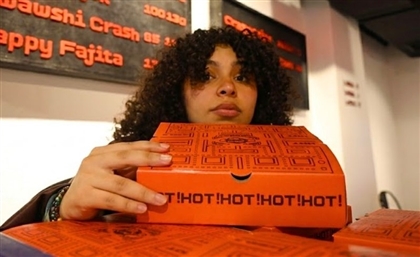
In London, Egyptian restaurant Koshari Street and Hekayyatna, a group that plans events to foster meaningful community across the city, collaborated to found Claypot Supper Club, a space that encourages diners to strike up a conversation with the stranger beside them. The brain child of Chef and Head of Food Seif Elsobky and Hekatyyatna Co-Founder Zeina Dowidar, who are both of Egyptian origin, the supper club was named after the traditional Egyptian claypots, tawageen and bram, used to cook the dishes they have missed in London.
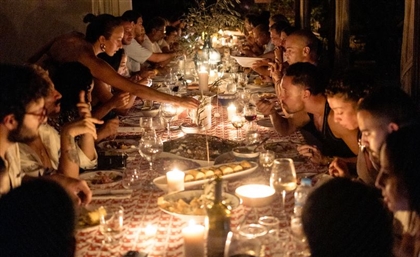
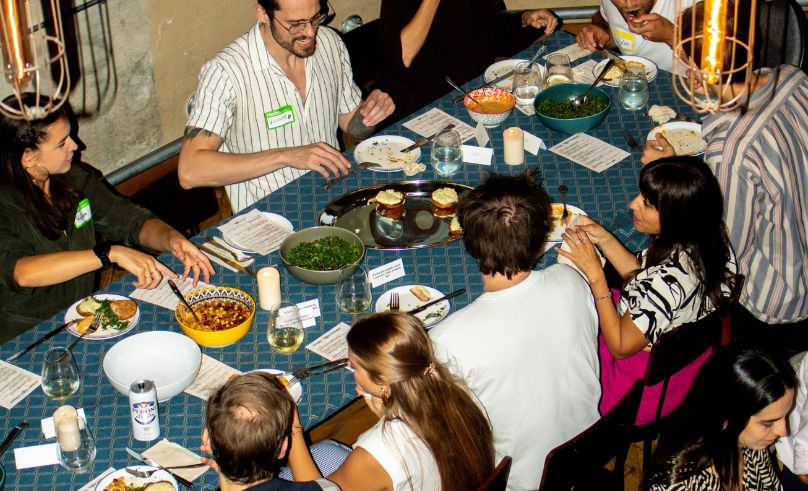
“We wanted to do something different from the individualised, small plate epidemic that’s plaguing supper clubs across London,” Dowidar said, “to reflect the family-style meals we both grew up cherishing.”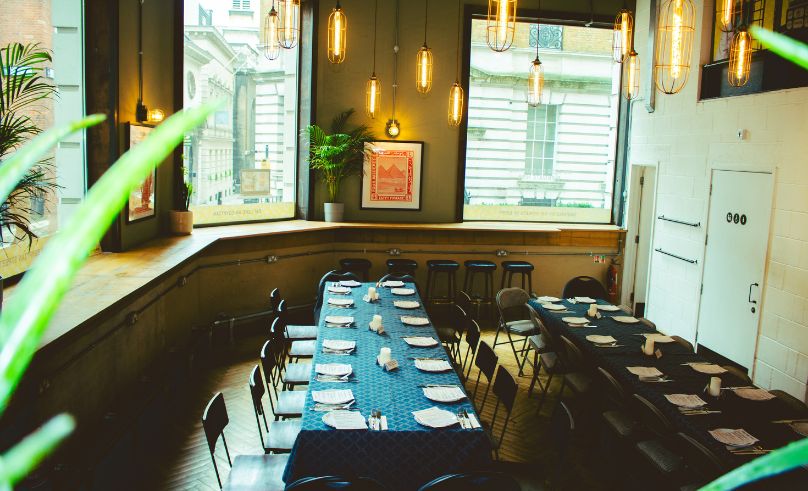 Claypot Supper Club only has three rules. Number one: you can’t serve yourself—someone else at the table has to serve you. Number two: no phones. And number three: you cannot leave the table until you are completely full.The idea for Claypot began when Elsobky—a regular at Hekayyatna events who used to work at Koshari Street—suggested they collaborate. “We wanted to do it Hekayyatna style,” Dowidar said, “centred on meeting someone new, learning something new, and trying something new.”
The trial supper club set the homey atmosphere—just a few family-style tables under the high ceilings of a Koshari Street restaurant with a small group of friends. The feedback was, unsurprisingly, positive. Since then, each of the following 14 supper clubs have sold out all 28 seats.
“To us, hosting means creating a space where strangers become storytellers. What makes them special isn't just the food: it's the intentional architecture of connection we build,” she said. “Hosting, for us, means holding space for people to be heard, seen, and fed.”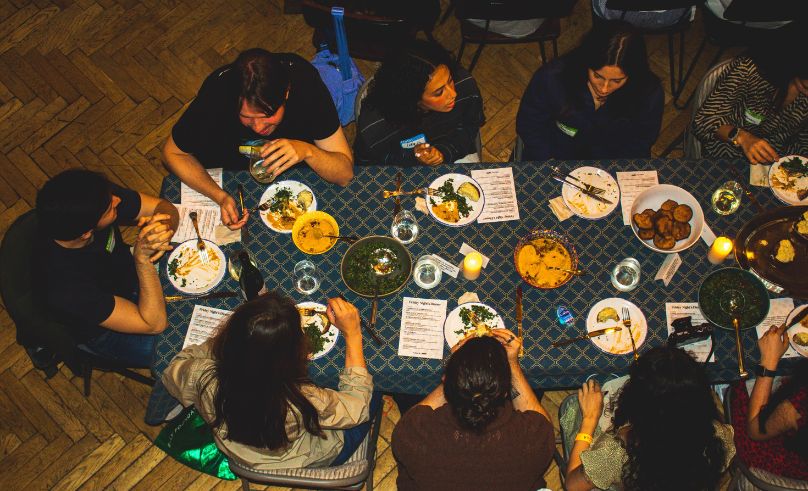 Each month introduces a new menu and conversation-starting themes—such as ‘harvest,’ ‘play,’ or ‘nourishment’. Elsobky curates the menu, while Dowidar uses her talent of bringing people together, offering introspective question cards like: “What seeds are you sowing that you want to harvest next year?” While Dowidar has been running the supper clubs since day one, Nadia Barakat will be taking over this year as the Supper Club Lead.
Often times, Elsobky has never cooked the items he serves for these four to six course dinners. He watches people’s first bites nervously, and is relieved when they shut their eyes, nod their head, and mumble a “wow” between mouthfuls. He is opening a “cuisine agnostic sandwich shop” soon called Sarnie Social, where he will continue to experiment with unique food pairings—like date braised short rib inside a pocket of baladi bread.
While Elsobky loves testing his own cooking abilities, he has not done it alone; menu curation has been an international feat. Claypot Supper Club has invited chefs from across the Middle East and Europe—from Egypt, Lebanon, Syria, Palestine, Tunisia and Iran to the UK, Italy, and Armenia. They have even taken Claypot abroad to Tunisia, and hinted at a possible stop in Cairo next. The menu itself is, what Dowidar calls, a “form of cultural storytelling.”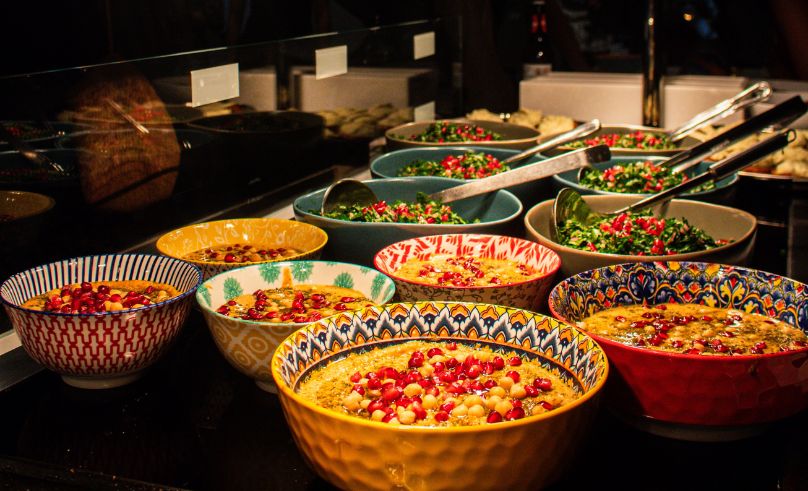 While Hekayyatna specifically caters to SWANA communities and the Global Majority, the multilingual conservations around the table, wealth of migration stories, and diversity of culinary traditions reflect the diversity of London beyond those communities.
“Our hosting is shaped by the reality that many of our guests are far from home, and the table becomes a place to honour where they're from while building community where they are,” Dowidar said.
“Guests come from different nationalities, ages, and styles,” Elsobky added, “but one thing in common is that all our guests come with an open mind, willingness to mingle, have fun, and, most of all, indulge in the food we've prepared.”
Conversation is made easier when you are competing to see who can flip a massive pot of maqlooba without spilling it on the floor—the classic Palestinian meat and rice dish that literally means ‘upside down’. One of Elsobky’s favourite memories is when each table elected someone to flip the dish in front of the camera, including none other than Egyptian actor Amir Elmasry. The room erupted in cheers when the contents of his pot made it safely inside the tray below. “Luckily, all three tables did a fabulous job,” Elsobky said, much to everyone’s relief.
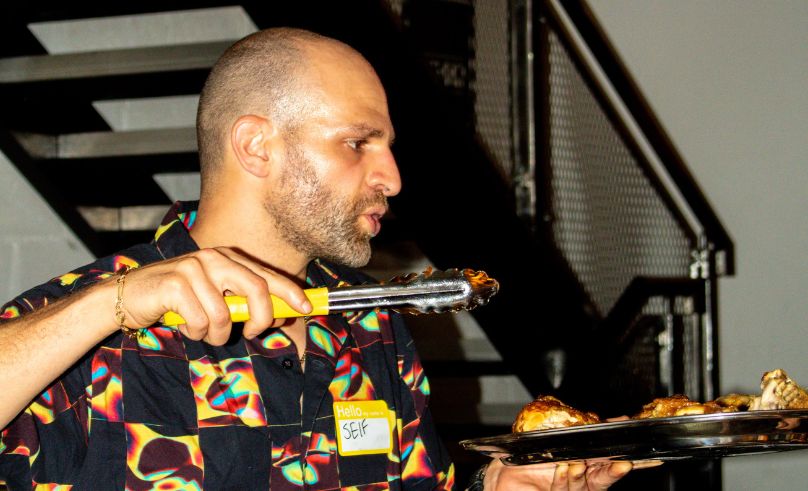 When Dowidar tried to choose her favourite supper club moment, she remembered their Ramadan iftar with Syrian chef Faraj Alnasser last year. His vegetarian menu apparently stuffed even the most ardent meat-lovers. Karrom UK, an alternative social space, kept attendees up late teaching them how to play the South Asian board game, carrom.
Dowidar is excited for Claypot’s two Ramadan iftars on February 20th and March 6th, 2026. The sign-up link will be in the Hekayyatna Instagram bio. To be the first to know about future supper clubs, you can also DM them to join their exclusive WhatsApp group.